

Principle and Working Scene Characteristics of Calcium Nitrite Pneumatic Conveying Systems
Calcium nitrite is a widely used chemical compound in various industrial applications, and the efficient transportation of this material is crucial for maintaining production efficiency and safety standards. The pneumatic conveying system for calcium nitrite, developed by Shandong HeadPowder Engineering Co., Ltd., represents a sophisticated solution that integrates advanced engineering principles with practical operational needs. This article delves into the fundamental principles of this system and explores the specific characteristics of its working environments.
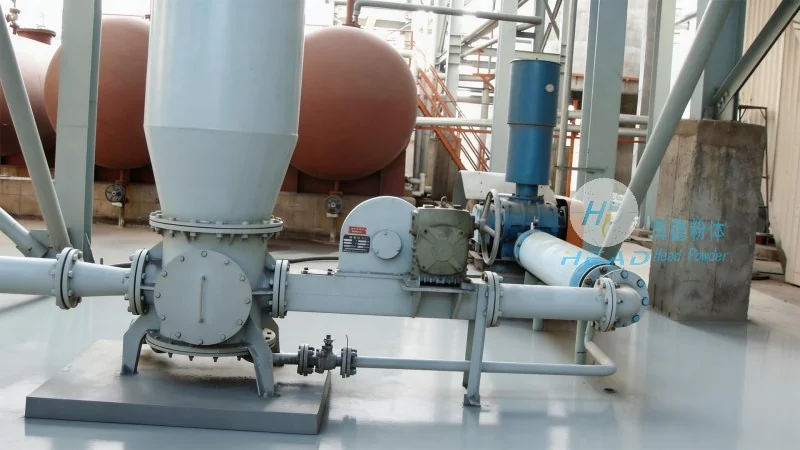
Overview of Calcium Nitrite Pneumatic Conveying Systems
At the core of the calcium nitrite pneumatic conveying system is the process of transporting bulk materials through a pipeline using a stream of air or other gas. This method, known as pneumatic conveying, offers several advantages over traditional mechanical conveying systems, such as reduced equipment wear, lower maintenance requirements, and the ability to handle materials that are difficult to transport by other means. The system typically consists of a hopper, a feeder, a conveying line, and a receiver, all of which work in concert to move calcium nitrite from its storage location to the point of use.
The Working Principle of the System
The operation of the calcium nitrite pneumatic conveying system is based on the principle of creating a pressure differential between the inlet and outlet of the conveying line. The system can be categorized into two main types: dilute-phase and dense-phase conveying. In dilute-phase systems, the material is suspended in the air stream and transported at relatively high velocities, while in dense-phase systems, the material is conveyed in a more compact form, often with lower air velocities. For calcium nitrite, a dilute-phase system is commonly employed due to the material's relatively low density and the need for efficient, low-residue transport. The system begins with the material being fed from the hopper into the conveying line through a feeder. The feeder ensures a consistent flow rate, which is critical for maintaining system stability. As the material enters the conveying line, it is mixed with the air stream, creating a suspension that is then propelled through the pipeline to the receiver. The receiver collects the material and may include a dust collection system to prevent environmental contamination.
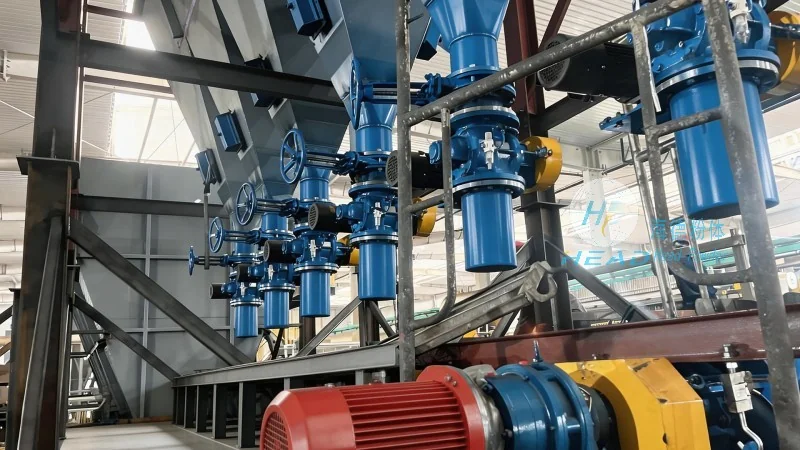
Key Components and Their Functions
Several key components are integral to the proper functioning of the calcium nitrite pneumatic conveying system. The hopper serves as the storage vessel for the calcium nitrite, providing a consistent supply of material to the feeder. The feeder, often a rotary valve or a screw feeder, regulates the flow of material into the conveying line, ensuring that the material is introduced at a controlled rate. The conveying line is typically made of stainless steel or other corrosion-resistant materials to withstand the chemical properties of calcium nitrite and to prevent material buildup. The line may include bends, elbows, and other fittings that are designed to minimize pressure loss and maintain the flow of the material-air mixture. The receiver is responsible for collecting the conveyed material and may include a filter or a dust collector to remove any fine particles that may have escaped during the conveying process. Additionally, the system may include a blower or a compressor to generate the necessary air pressure, and a control system to monitor and adjust the flow rates and pressures as needed.
Working Scene Characteristics
The working scene characteristics of the calcium nitrite pneumatic conveying system are tailored to the specific requirements of industrial applications. These characteristics include the system's ability to handle varying material flow rates, its suitability for long-distance transport, and its adaptability to different environmental conditions. The system is designed to operate in environments where the material needs to be transported from a storage area to a processing unit, such as a fertilizer plant or a chemical manufacturing facility. The working scene may involve the transportation of calcium nitrite from a bulk storage silo to a mixer or a reactor, or from a production line to a packaging area. The system's efficiency and reliability are critical in these scenarios, as any downtime or material loss can impact production schedules and product quality. Furthermore, the system is designed to meet safety standards, including the prevention of dust explosions and the containment of hazardous materials. The use of corrosion-resistant materials and proper ventilation systems helps to mitigate these risks and ensure a safe working environment.
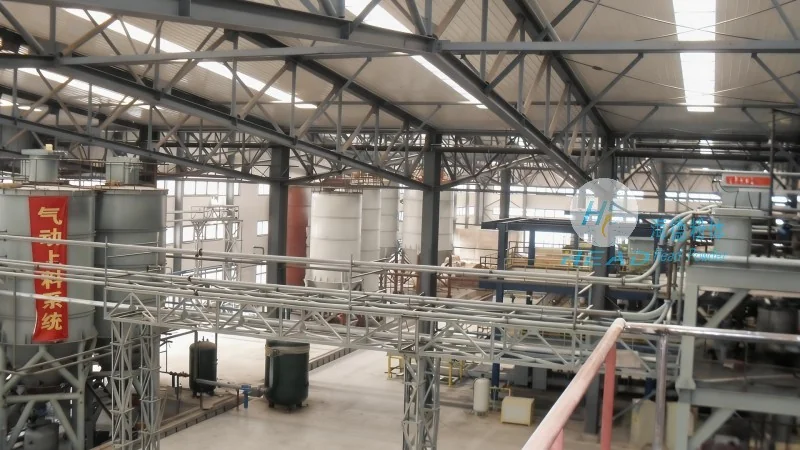
Advantages and Applications
The calcium nitrite pneumatic conveying system offers several advantages that make it an attractive solution for industrial applications. These advantages include high transport efficiency, low maintenance costs, and the ability to handle materials that are difficult to transport by other means. The system is particularly well-suited for applications where the material needs to be transported over long distances or through complex piping systems. Additionally, the system can be integrated with other processing equipment, such as mixers or reactors, to form a complete production line. The applications of this system are diverse and include the fertilizer industry, where calcium nitrite is used as a nitrogen source, and the chemical industry, where it is used as a corrosion inhibitor or a flame retardant. The system's ability to handle large volumes of material at a consistent rate makes it ideal for high-throughput production environments.
Conclusion
In conclusion, the calcium nitrite pneumatic conveying system developed by Shandong HeadPowder Engineering Co., Ltd. is a sophisticated and efficient solution for the transportation of calcium nitrite in industrial settings. The system's working principle, key components, and working scene characteristics are all designed to meet the specific needs of industrial applications, ensuring high performance, reliability, and safety. As a leading provider of engineering solutions, Shandong HeadPowder Engineering Co., Ltd. continues to innovate and improve its systems to meet the evolving demands of the industry. The calcium nitrite pneumatic conveying system represents a testament to the company's commitment to providing high-quality, reliable, and efficient solutions for its clients.