Wheat bran, a byproduct of the milling process, is widely utilized across industries including food, feed, and biofuel production. Efficient transportation of wheat bran is essential for maintaining production efficiency and product quality. Pneumatic conveying systems have become a preferred solution due to their ability to transport bulk materials over long distances with minimal maintenance and operational costs. This article examines the fundamental principles of wheat bran pneumatic conveying systems and highlights the key working scene characteristics that make them suitable for diverse industrial applications.
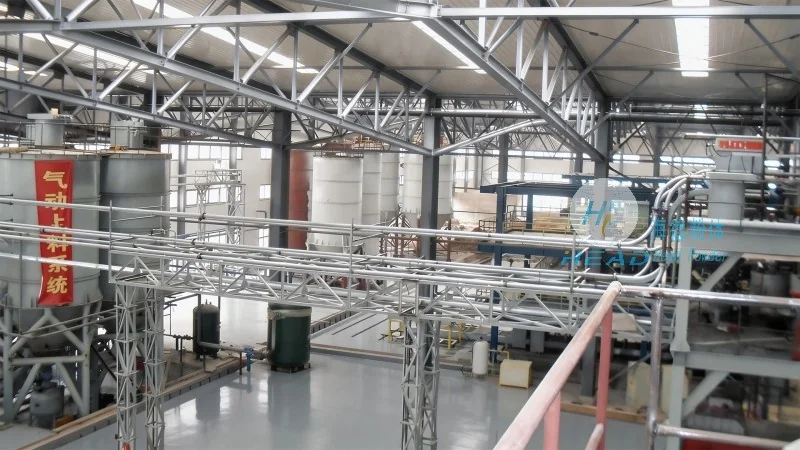
Principle of Pneumatic Conveying for Wheat Bran
The core principle of pneumatic conveying involves using air or gas to transport solid materials like wheat bran through a pipeline system. Two primary types exist: dilute phase and dense phase. Dilute phase systems employ high-velocity air to suspend wheat bran particles in the air stream, enabling transport. Dense phase systems use lower air velocities and higher material concentrations, creating a slurry-like flow suitable for abrasive or sensitive materials. For wheat bran, dilute phase systems are commonly used due to the material's low density and moderate abrasiveness. The system typically includes a hopper, conveyor line, control valve, and receiver. Wheat bran is fed into the hopper, and compressed air is introduced to propel the bran through the pipeline to the destination. Air pressure and flow rate are carefully controlled to ensure optimal conveying efficiency and minimize material degradation.
Key Working Scene Characteristics of Wheat Bran Pneumatic Conveying Systems
The working scene characteristics of wheat bran pneumatic conveying systems are tailored to meet specific industrial requirements. These include:
1. Material Handling Efficiency: The system is designed to handle large volumes of wheat bran with high throughput rates, ensuring continuous production without interruptions. It eliminates the need for manual handling, reducing labor costs and errors. This efficiency is critical for maintaining smooth workflows from storage to processing stages.
2. Space Utilization: Pneumatic conveying systems are highly space-efficient, as they replace traditional conveyor belts or bucket elevators that require significant floor space. The pipeline can be installed vertically or horizontally, allowing flexible layout designs in facilities with limited space, such as small-scale milling operations or urban industrial areas.
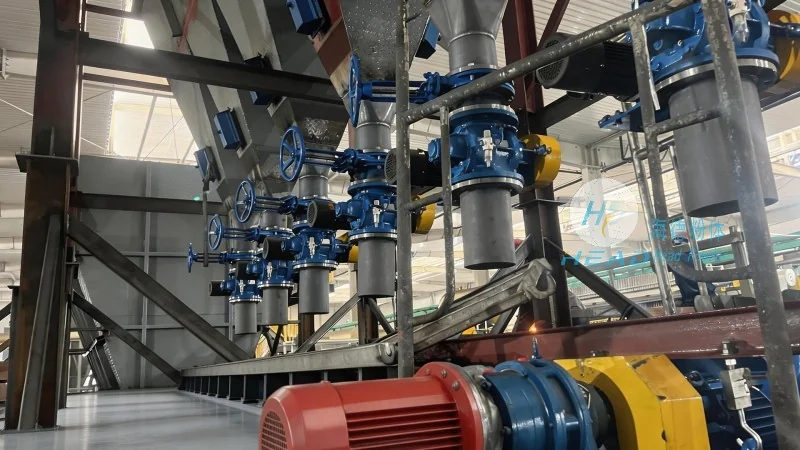
3. Environmental Considerations: Wheat bran is a fine, dusty material that poses health and environmental risks if not properly contained. The system uses sealed pipelines and air filtration to minimize dust emissions, reducing respiratory risks for workers and environmental impact. This aligns with modern industrial standards for environmental compliance.
4. Maintenance and Durability: Components like the hopper, pipeline, and control valves are constructed from materials resistant to wheat bran's abrasive nature (e.g., stainless steel or corrosion-resistant alloys). This ensures long-term durability and reduces maintenance needs. The design allows for easy cleaning and component replacement, minimizing downtime and operational costs.
Applications and Industrial Scenarios
Wheat bran pneumatic conveying systems are widely applied in:
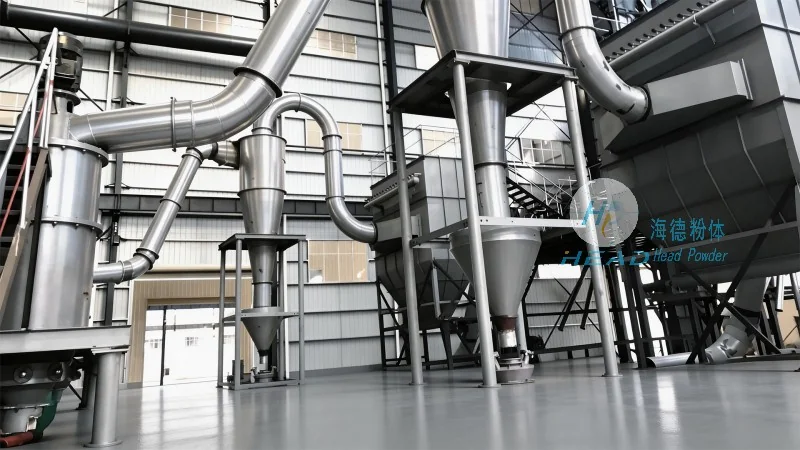
1. Food Processing: In the food industry, wheat bran is used in baked goods, cereals, and animal feed. The system transports bran from storage to mixing equipment, ensuring hygienic, consistent delivery that meets food safety standards.
2. Biofuel Production: Wheat bran serves as a feedstock for ethanol and biogas. Pneumatic conveying efficiently moves raw materials from the milling facility to biofuel processing plants, maximizing yield and reducing production costs.
3. Feed Manufacturing: In animal feed production, wheat bran is a key ingredient. The system transports bran to mixing and packaging lines, ensuring consistent feed formulations that meet nutritional requirements for livestock.
Conclusion
Wheat bran pneumatic conveying systems provide a reliable and efficient solution for handling wheat bran across various industries. Their ability to transport bulk materials with minimal maintenance and operational costs makes them an attractive option for improving production efficiency. By understanding the principles and working scene characteristics, manufacturers can select the most suitable conveying solution for their needs. As demand for wheat bran and related products grows, efficient material handling systems like pneumatic conveying will remain critical to modern industrial operations, ensuring sustainable and cost-effective production processes.




