

Classification and Composition of Cotton Fiber Pneumatic Conveying Systems
Shandong HeadPowder Engineering Co., Ltd. specializes in the design, manufacturing, and installation of advanced cotton fiber pneumatic conveying systems. Based in Shandong, China, the company leverages decades of industry experience to deliver reliable and efficient solutions for cotton fiber handling. These systems are essential for industries such as textile manufacturing, where the seamless transport of raw cotton fibers is critical to production efficiency and quality control.
Classification of Cotton Fiber Pneumatic Conveying Systems
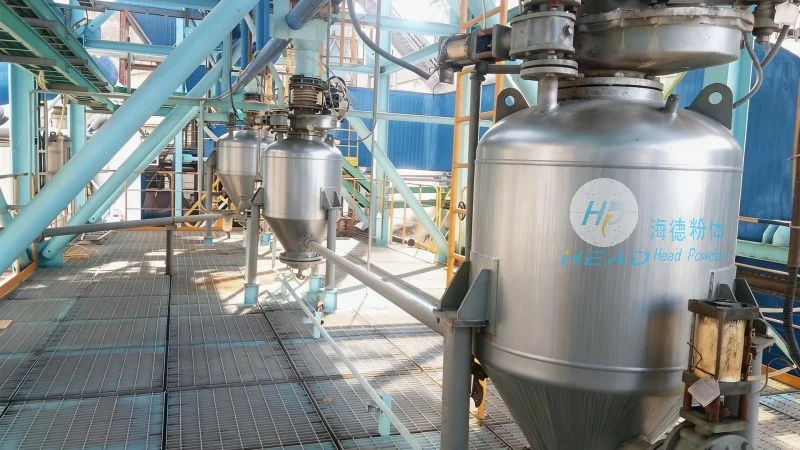
Cotton fiber pneumatic conveying systems can be classified based on several key parameters, including the pressure within the system, the method of material transport, and the overall design configuration. The primary classifications include:
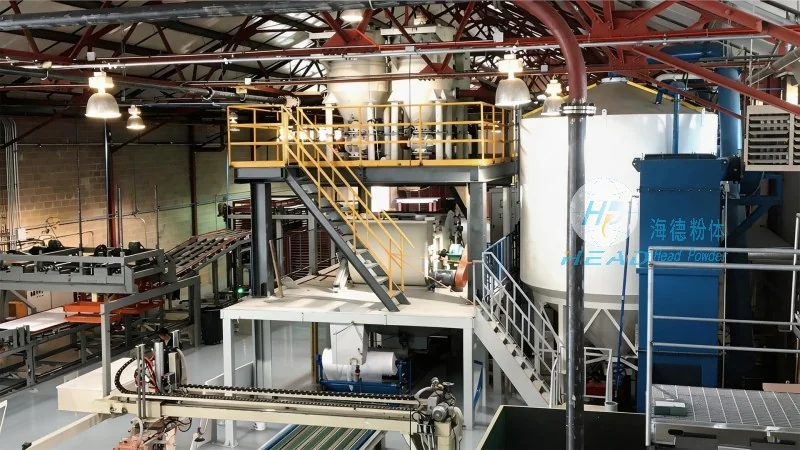
- Positive Pressure Systems: These systems use a blower or fan to generate positive pressure within the conveying line, pushing the cotton fibers forward. They are commonly used for short to medium distance transport and are effective for handling light to medium density materials.
- Negative Pressure (Vacuum) Systems: In these systems, a vacuum is created at the receiving end, drawing the cotton fibers into the system. This method is ideal for long-distance transport and for applications where dust control is a priority, as the material is drawn rather than pushed.
- Combined Pressure-Vacuum Systems: These systems utilize both positive and negative pressure components to optimize material flow. They are suitable for complex layouts that involve both short and long transport segments, offering flexibility in system design.
Key Components of Cotton Fiber Pneumatic Conveying Systems
Each cotton fiber pneumatic conveying system consists of several critical components that work in tandem to ensure efficient operation. The main components include:
- Conveying Pipelines: High-quality, corrosion-resistant pipes made from materials such as stainless steel or PVC are used to transport the cotton fibers. The pipe diameter and length are carefully selected based on the system's capacity and the distance to be covered.
- Air Handling Equipment: This includes blowers, fans, or vacuum pumps that generate the necessary pressure or vacuum to move the material. The choice of equipment depends on the system's classification (positive or negative pressure) and the required airflow rate.
- Material Feeders: Feeders, such as rotary valves or screw conveyors, are used to introduce the cotton fibers into the system at a controlled rate. This ensures consistent material flow and prevents blockages in the pipeline.
- Separation and Cleaning Equipment: Cyclone separators or bag filters are employed to remove dust and debris from the air stream, ensuring that the transported cotton fibers remain clean and free from contaminants. This is crucial for maintaining product quality and compliance with environmental regulations.
- Control Systems: Modern cotton fiber pneumatic conveying systems are equipped with advanced control panels that monitor and regulate key parameters such as pressure, flow rate, and temperature. These systems provide real-time feedback and allow for remote operation, enhancing safety and operational efficiency.
Applications and Benefits of Cotton Fiber Pneumatic Conveying Systems
Cotton fiber pneumatic conveying systems are widely used in the textile industry for the efficient handling of raw cotton fibers. The primary benefits of these systems include:
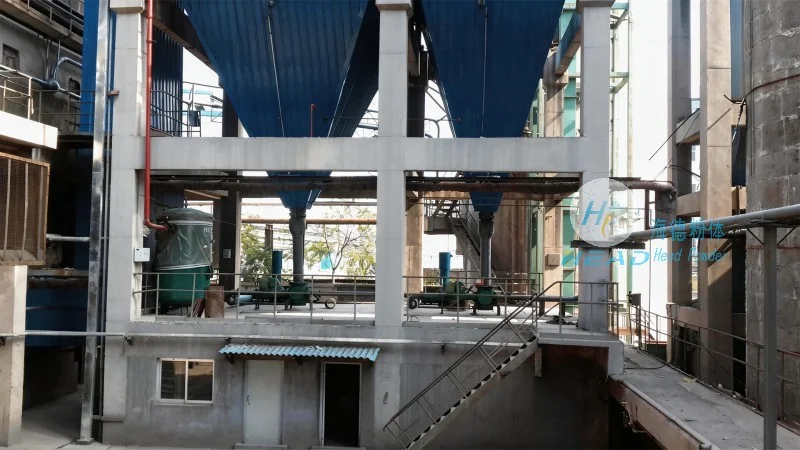
- Increased Efficiency: By eliminating the need for manual handling and traditional conveyor belts, pneumatic systems reduce labor costs and increase production throughput. The continuous flow of material ensures that production lines operate at optimal speeds.
- Improved Product Quality: The enclosed system design minimizes exposure to dust and contaminants, which helps maintain the purity of the cotton fibers. This is particularly important for high-quality textile products where impurities can affect the final product's texture and appearance.
- Enhanced Safety: Pneumatic conveying systems eliminate the need for workers to handle heavy or bulky cotton bales, reducing the risk of workplace injuries. The enclosed design also prevents dust from spreading in the workplace, improving air quality and reducing the risk of respiratory issues.
- Space Efficiency: These systems can be installed in compact spaces, making them ideal for facilities with limited floor area. The flexible design allows for easy integration into existing production layouts without the need for major structural modifications.
Customization and Maintenance
Shandong HeadPowder Engineering Co., Ltd. offers customized solutions tailored to the specific needs of each client. The company's engineers work closely with customers to design systems that meet their unique requirements, including material handling capacity, transport distance, and environmental constraints. Regular maintenance is essential to ensure the long-term performance and reliability of the system. The company provides comprehensive maintenance services, including routine inspections, component replacement, and troubleshooting to minimize downtime and maximize system lifespan.