

Classification and Composition of Rare Earth Mineral Powder Pneumatic Conveying Systems
Rare earth mineral powder handling requires specialized equipment to ensure efficient and safe material transport. Pneumatic conveying systems have emerged as a critical solution for processing these valuable minerals, offering advantages such as reduced dust exposure, improved process control, and enhanced operational flexibility. The following discussion outlines the classification and key components of such systems, providing insights into their design and application.
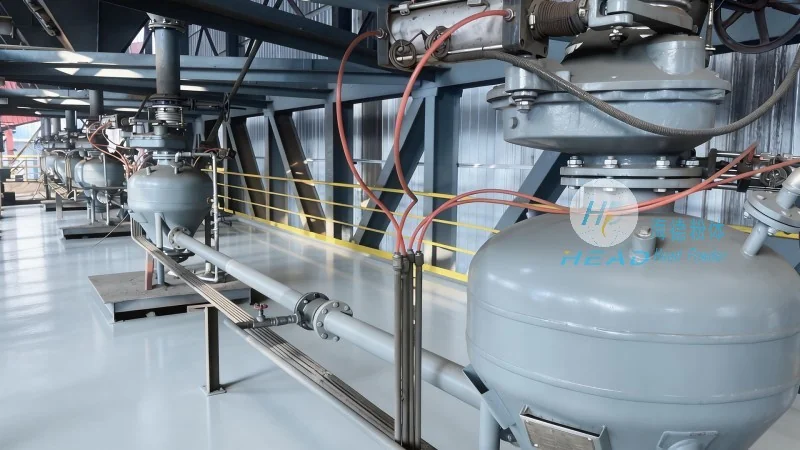
Classification of Pneumatic Conveying Systems for Rare Earth Minerals
When selecting a pneumatic conveying system for rare earth mineral powders, it is essential to consider the specific characteristics of the material and the operational requirements. Systems are typically classified based on the conveying principle and the pressure or vacuum used. The primary categories include:
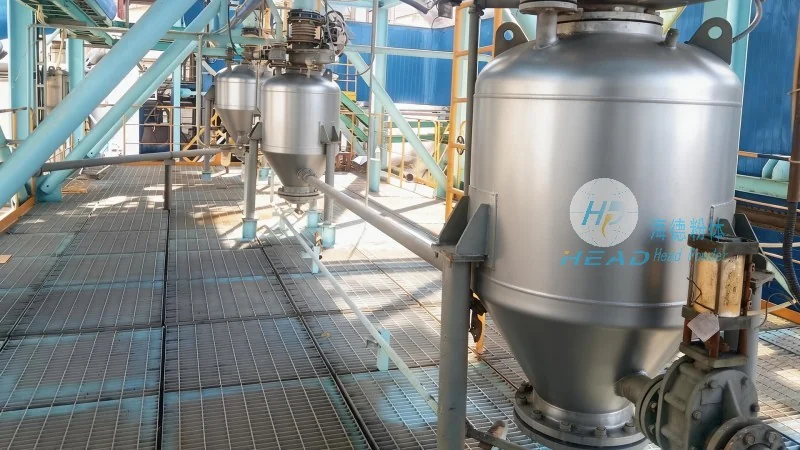
- Positive Pressure Systems: These systems use compressed air to push the material through a pipeline. They are suitable for transporting dry powders over short to medium distances and are commonly used in rare earth processing plants due to their ability to handle abrasive materials and maintain consistent flow rates.
- Negative Pressure (Vacuum) Systems: In contrast, vacuum systems draw material into the pipeline using a vacuum pump. This approach is ideal for applications where dust control is paramount or when the material needs to be collected from multiple sources. For rare earth minerals, vacuum systems can effectively manage fine powders and minimize environmental impact.
- Two-Phase (Air-Liquid) Systems: Combining air and liquid (often water or oil) to create a slurry, these systems are used for transporting wet or sticky rare earth powders. The slurry is pumped through pipelines, and the liquid is later separated, making this method suitable for specific processing stages where moisture content is managed.
Key Components of Rare Earth Mineral Powder Pneumatic Conveying Systems
Regardless of the classification, pneumatic conveying systems for rare earth minerals consist of several core components that work in tandem to ensure reliable operation. The main components include:
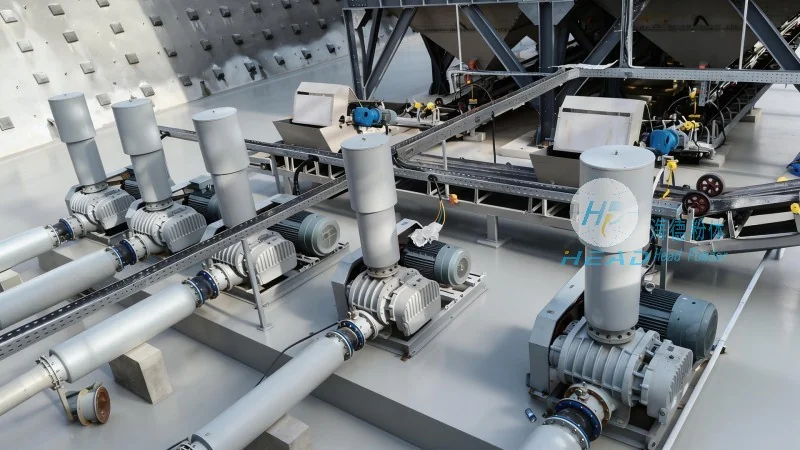
- Feeder: The feeder is responsible for feeding the rare earth powder into the conveying line at a controlled rate. For fine powders, a rotary valve or a screw feeder is commonly used to maintain a consistent flow, preventing blockages and ensuring smooth material transport.
- Conveying Line: The pipeline, typically made of stainless steel or other corrosion-resistant materials, is designed to withstand the abrasive nature of rare earth minerals. The line diameter and length are critical factors that affect the system's efficiency and pressure drop. Properly sized lines minimize energy consumption and maintain optimal material velocity.
- Boosters and Cyclones: In longer conveying systems, boosters (additional air compressors) are used to maintain sufficient pressure. Cyclones, or dust collectors, are integrated to separate the powder from the air stream, ensuring that the material is recovered and the exhaust air is clean. For rare earth applications, high-efficiency cyclones are essential to prevent loss of valuable minerals and comply with environmental regulations.
- Control System: A sophisticated control system monitors and regulates the operation of the pneumatic conveying system. This includes sensors for pressure, flow rate, and material level, as well as automated controls to adjust air pressure, feeder speed, and cyclone operation. The control system enhances process stability and reduces downtime, which is crucial for maintaining productivity in rare earth processing facilities.
Application of Pneumatic Conveying Systems in Rare Earth Processing
The effectiveness of a pneumatic conveying system for rare earth minerals depends on its ability to handle the unique properties of these materials. Rare earth powders are often fine, abrasive, and have high density, which can pose challenges for traditional handling methods. Pneumatic systems address these challenges by providing a closed-loop transport process that minimizes dust and contamination. In industrial settings, such systems are used for transporting raw rare earth ores, intermediate products, and finished powders between processing stages, such as crushing, grinding, and separation.
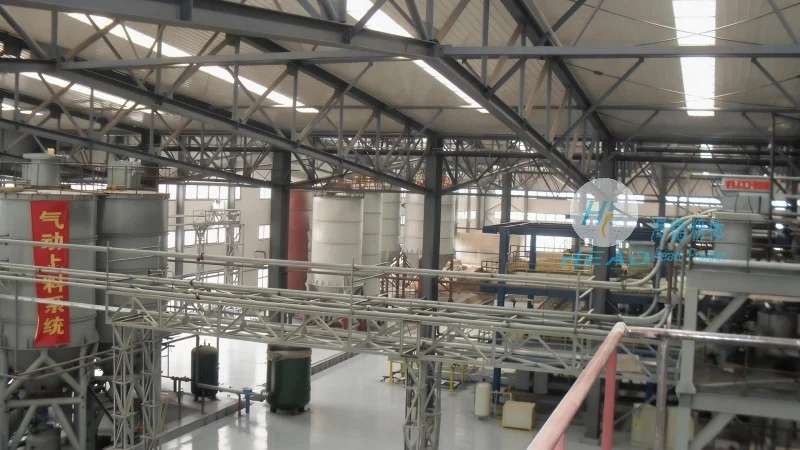
For example, in a typical rare earth processing plant, the system might transport crushed ore from a storage silo to a grinding mill, then from the mill to a magnetic separation unit. The consistent and reliable operation of the pneumatic conveying system ensures that each processing stage receives the required material without interruptions, contributing to overall plant efficiency. Additionally, the closed system design reduces the risk of environmental contamination, which is a critical consideration in the rare earth industry where regulatory compliance is essential.