

Classification and Composition of Barite Powder Pneumatic Conveying Systems
Barite powder, a crucial industrial material widely used in drilling fluids, oil and gas exploration, and other sectors, requires efficient and reliable transportation methods. Pneumatic conveying systems have emerged as a preferred solution for handling barite powder due to their ability to transport materials in a dust-free environment, enhance process safety, and improve operational efficiency. This article provides an overview of the classification and key components of barite powder pneumatic conveying systems, highlighting the technological advancements and practical applications in industrial settings.
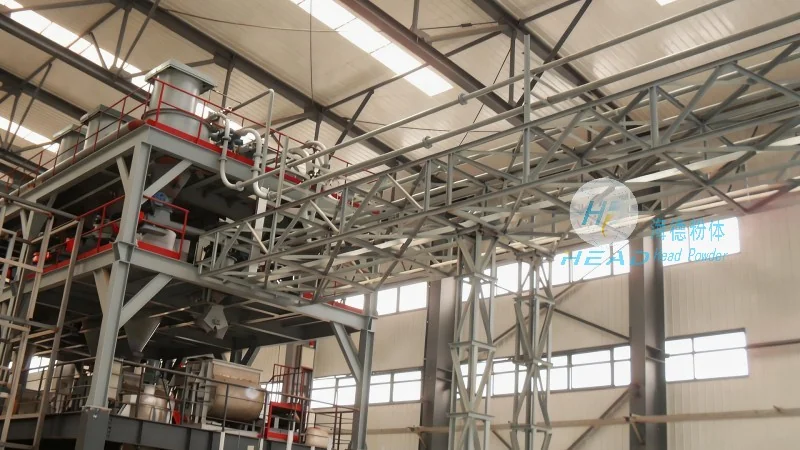
Classification of Barite Powder Pneumatic Conveying Systems
Barite powder pneumatic conveying systems are primarily classified based on the pressure differential used to move the material. The two main categories are aspiration (or vacuum) systems and pressure (or positive pressure) systems. Each type has distinct characteristics and is suited for different operational requirements.
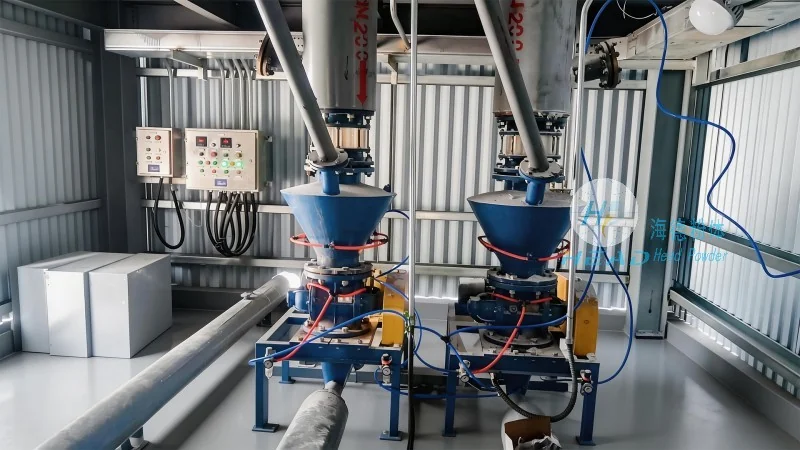
Aspiration systems operate under negative pressure, drawing the barite powder from the source into the conveying line using a vacuum pump. These systems are ideal for applications where the material is to be transported from a lower elevation or when the process requires a dust-free environment at the source. The key advantage of aspiration systems is their ability to handle fine powders without the need for high-pressure air, reducing energy consumption and equipment wear. However, they are limited by the distance and elevation they can effectively convey the material, typically up to several hundred meters horizontally and a few dozen meters vertically.
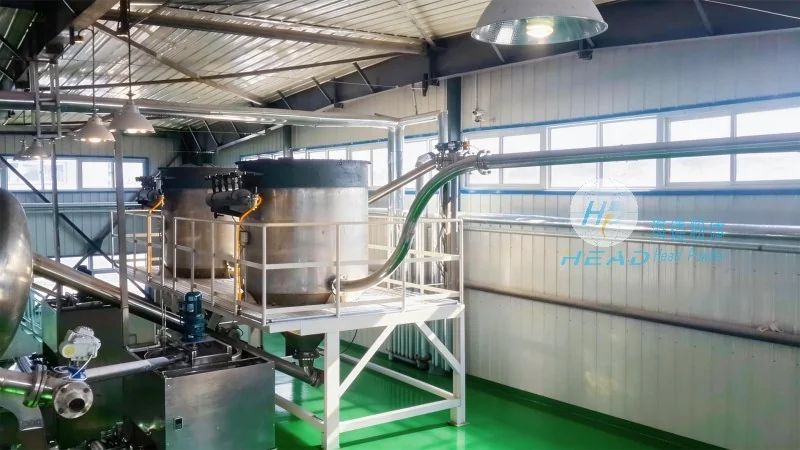
Pressure systems, on the other hand, use positive pressure to push the barite powder through the conveying line. These systems are more versatile and can transport materials over longer distances and higher elevations compared to aspiration systems. They are commonly used in industrial settings where the material needs to be delivered to a higher or more distant location. Pressure systems can be further divided into positive displacement blowers and rotary lobe blowers, each offering different pressure and flow characteristics. Positive displacement blowers provide consistent pressure and flow, making them suitable for high-capacity applications, while rotary lobe blowers are more energy-efficient and can handle larger particles.
Key Components of Barite Powder Pneumatic Conveying Systems
The effectiveness of a barite powder pneumatic conveying system depends on the integration of several critical components, each designed to ensure efficient material handling and system performance. The main components include:
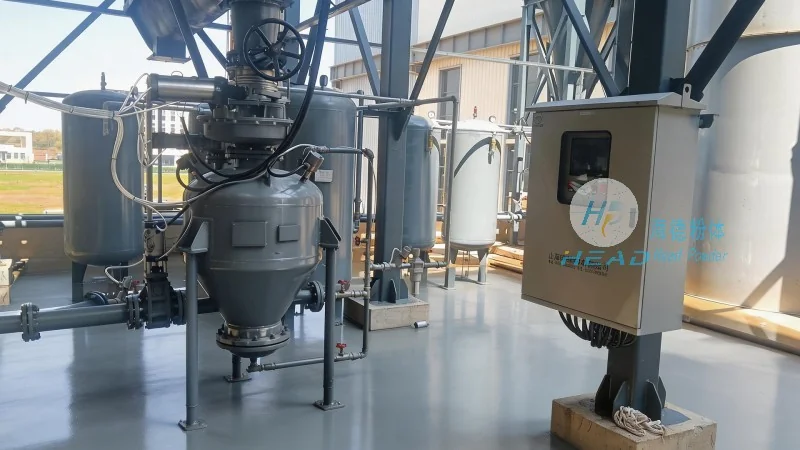
1. Feeding Device: The feeding device is responsible for introducing the barite powder into the conveying line. It can be a rotary valve, a star feeder, or a pressure feeder, depending on the system type and material characteristics. The feeding device must ensure a consistent and controlled flow of powder to prevent blockages and maintain system efficiency. For barite powder, which is often fine and cohesive, a rotary valve or a star feeder is commonly used to provide a steady supply of material.