Glass powder is a vital raw material in the glass manufacturing industry, and its efficient, safe transportation is crucial for maintaining production efficiency and product quality. Traditional methods like manual handling or mechanical conveyors often encounter challenges such as dust pollution, material blockage, and low transport efficiency. Pneumatic conveying systems, especially those designed for glass powders, have emerged as a highly effective solution to address these issues. This article explores the concept of a glass powder pneumatic conveying system and delves into its fundamental design principles, highlighting how they contribute to optimal material handling in industrial settings.
Understanding the Glass Powder Pneumatic Conveying System
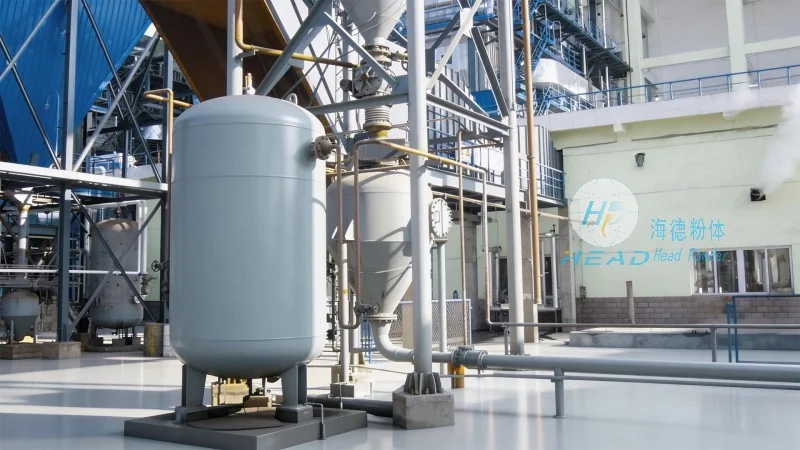
A glass powder pneumatic conveying system utilizes compressed air or other gases to transport dry powder materials, including glass powders, from one location to another. Unlike traditional mechanical conveyors that rely on physical components like belts or screws, pneumatic systems leverage the force of air to move materials through a pipeline. This approach offers advantages like reduced dust exposure, minimal maintenance requirements, and the ability to handle materials that are difficult to convey with conventional equipment. The system typically comprises a feeding device, a conveying line, a separation unit, and a discharge outlet, all working in tandem to ensure smooth and continuous material transport.
Key Design Principles of the System
The design of a glass powder pneumatic conveying system is tailored to the unique properties of glass powders, which often include high fineness, low bulk density, and a tendency to agglomerate or create dust. Several key design principles are essential for ensuring the system operates efficiently and reliably:
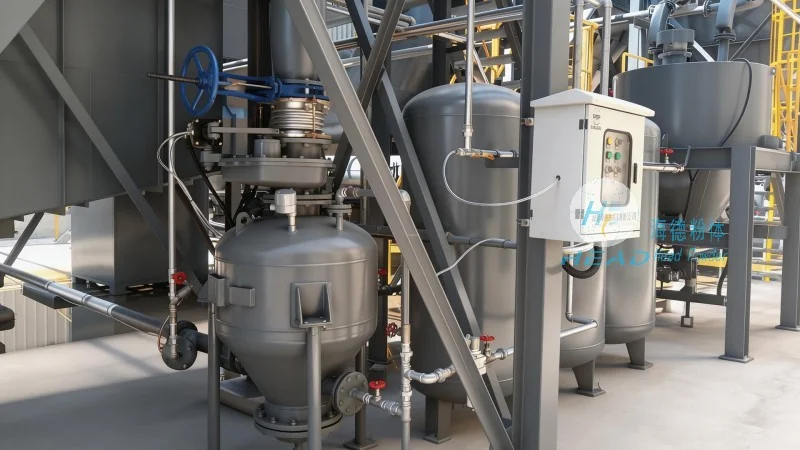
First, the system must accommodate the specific particle size and flow characteristics of glass powders. The choice between suction (or vacuum) and pressure (or positive) conveying modes depends on the application and the distance the material needs to travel. Suction systems are commonly used for short to medium distances and are effective for collecting powders from multiple sources, while pressure systems are better suited for longer distances and higher pressure requirements. The design must also consider air velocity and pressure levels to prevent material deposition or blockage in the pipeline, which is critical for maintaining consistent flow rates.
Second, the system incorporates specialized components to address the challenges posed by glass powders. For example, the feeding device—such as a rotary valve or a screw feeder—is designed to handle fine powders without causing clogging or excessive wear. The conveying line is often made of materials resistant to corrosion and abrasion, such as stainless steel or special plastics, to withstand the abrasive nature of glass particles. Additionally, the separation unit, which may include cyclones or filters, is crucial for separating the conveyed material from the air stream, ensuring that the glass powder is collected efficiently and the air is cleaned before release.
About HeadPowder: A Leading Provider of Pneumatic Conveying Solutions
HeadPowder, a prominent company in the field of material handling equipment, specializes in designing and manufacturing pneumatic conveying systems tailored to the needs of various industries, including glass manufacturing. With its headquarters in Shandong, China, HeadPowder Engineering Co., Ltd. leverages years of experience and advanced engineering to develop high-quality solutions that meet the stringent requirements of modern glass production. The company’s commitment to innovation and customer satisfaction has made it a trusted partner for businesses seeking reliable and efficient material transport solutions.
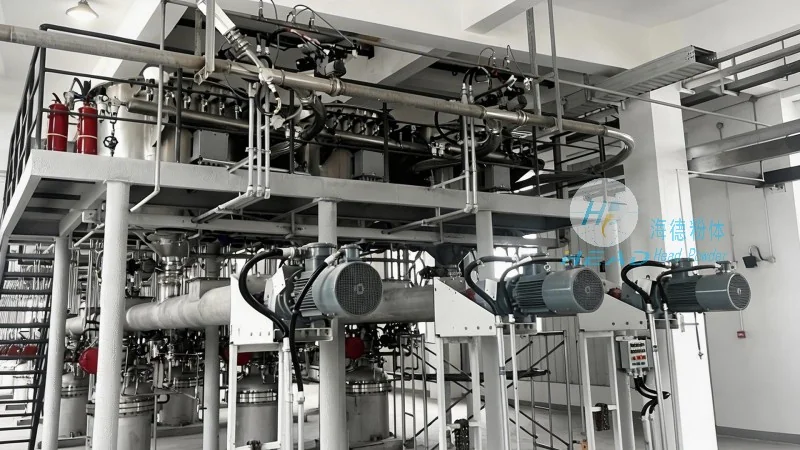
HeadPowder’s glass powder pneumatic conveying systems are engineered to optimize performance, durability, and safety. By integrating advanced design principles and using high-quality materials, the systems are capable of handling glass powders with high efficiency, minimal dust generation, and low maintenance costs. The company’s products are designed to adapt to different production environments and material characteristics, ensuring that clients receive customized solutions that address their specific challenges. Whether for short-distance transport within a factory or long-distance transfer between facilities, HeadPowder’s systems provide a robust and reliable option for glass powder handling.
Conclusion: The Importance of Design and Expertise in Glass Powder Conveying
In conclusion, a glass powder pneumatic conveying system is a sophisticated and effective solution for transporting glass powders in industrial settings. The design principles, including the selection of conveying mode, material handling components, and separation systems, are critical to ensuring the system operates efficiently and safely. Companies like HeadPowder, with their expertise and commitment to quality, play a vital role in providing these advanced systems to the glass manufacturing industry. By leveraging the right design and technology, businesses can enhance their production processes, reduce operational costs, and maintain high standards of product quality and environmental safety.




