

Principle and Working Scene Characteristics of Wood Fiber Powder Pneumatic Conveying Systems
Wood fiber powder, a material widely used in various industries such as papermaking, construction, and composite manufacturing, requires efficient and reliable handling methods. Pneumatic conveying systems offer a solution by utilizing air to transport these fine powders over distances, ensuring minimal product degradation and operational efficiency. This article explores the fundamental principles behind wood fiber powder pneumatic conveying systems and highlights the key characteristics of their working scenes, providing insights into their practical applications.
The Principle of Pneumatic Conveying for Wood Fiber Powders
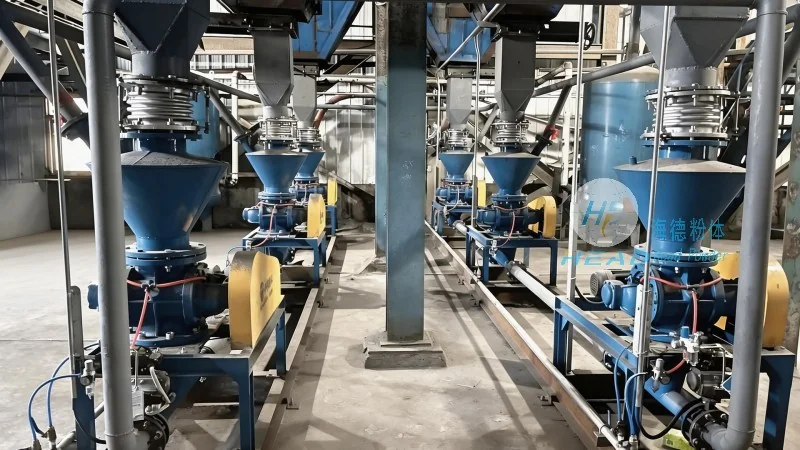
The core principle of pneumatic conveying involves the use of compressed air to move solid particles through a pipeline. In the case of wood fiber powders, the system typically operates by creating a pressure differential between the source and destination points. The powder is introduced into the system, often with a feeder or hopper, and is then entrained by the moving air stream. This process allows for the continuous and controlled transport of the material, reducing the need for mechanical components that might cause contamination or wear. The design of the system, including the type of air flow (e.g., dilute phase or dense phase), significantly impacts the efficiency and effectiveness of the conveying process. For wood fiber powders, which are often light and prone to bridging or caking, a well-designed pneumatic system can maintain consistent flow rates and prevent material buildup in the pipelines.
Key Working Scene Characteristics
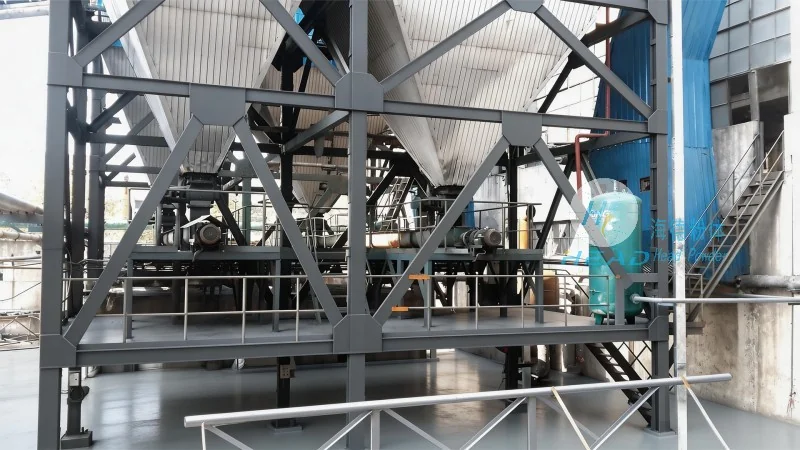
The working scene characteristics of wood fiber powder pneumatic conveying systems are critical for optimizing performance and ensuring safety. These characteristics include:
- Material Properties: Wood fiber powders vary in particle size, moisture content, and bulk density. Understanding these properties is essential for selecting the appropriate conveying velocity and system pressure. For example, finer particles may require higher air velocities to prevent settling or blockages.
- System Layout and Distance: The layout of the conveying system, including the number of bends, vertical lifts, and horizontal runs, affects the overall pressure drop and energy consumption. Longer distances or complex layouts may necessitate booster stations or larger air volumes to maintain efficient transport.
- Environmental and Safety Considerations: Pneumatic conveying systems for wood fiber powders must consider dust control and explosion prevention, especially in industrial settings. Proper ventilation and dust collection systems are integral to maintaining a safe working environment. Additionally, the system design should minimize the risk of material leakage or air leakage, which can lead to product loss or energy inefficiency.
- Integration with Production Processes: The pneumatic conveying system is often integrated with upstream and downstream processes, such as material storage, processing, and packaging. The system must be compatible with these processes to ensure seamless operation. For instance, the feeder or discharge equipment must be designed to match the flow rates and particle characteristics of the wood fiber powder, preventing bottlenecks or overloading in subsequent stages.
Applications and Industry Use Cases
Wood fiber powder pneumatic conveying systems are widely employed in various industrial applications. In the paper industry, these systems are used to transport wood pulp or recycled fiber from storage silos to processing machines. In construction, they facilitate the delivery of wood fiber insulation or composite materials to manufacturing lines. Additionally, in the composite panel industry, the system ensures consistent feeding of wood fiber into the production of panels, enhancing product quality and uniformity. Each application requires a tailored system design to meet specific operational demands, such as high throughput, low maintenance, or compliance with industry standards.
About Shandong HeadPowder Engineering Co., Ltd.
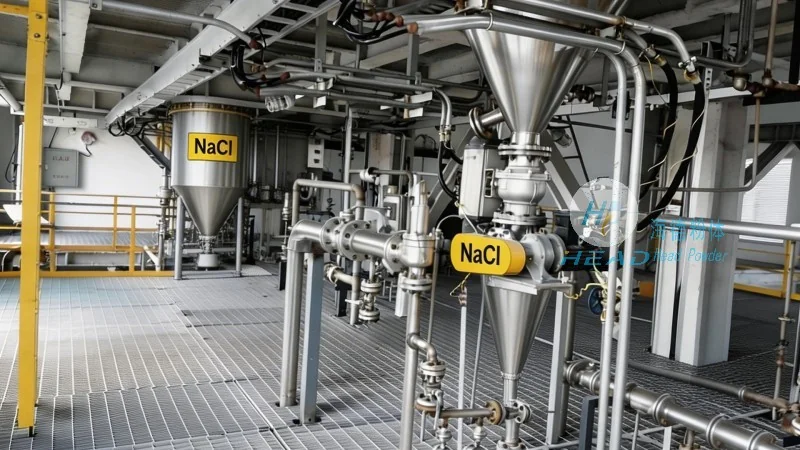
Shandong HeadPowder Engineering Co., Ltd., operating under the brand name headpowder, specializes in the design, manufacturing, and installation of advanced pneumatic conveying systems for various powder materials, including wood fiber powders. With a focus on innovation and customer-centric solutions, the company provides customized systems that address the unique challenges of each application. Headpowder's expertise lies in optimizing system performance, ensuring energy efficiency, and maintaining product integrity throughout the conveying process. The company's facilities are located in Shandong, China, where it leverages local resources and industry knowledge to deliver high-quality engineering solutions. By combining technical expertise with practical experience, headpowder helps clients enhance their operational efficiency and achieve sustainable growth in their respective industries.