

Working Principle and Features of Pharmaceutical Pneumatic Conveying Systems
Pharmaceutical pneumatic conveying systems are critical components in modern pharmaceutical manufacturing, designed to efficiently transport powders and granules with precision and reliability. These systems are essential for maintaining the integrity of pharmaceutical products, ensuring compliance with stringent industry standards, and optimizing production workflows. The core of such systems lies in their ability to handle sensitive materials while minimizing contamination risks, making them indispensable in facilities that handle active pharmaceutical ingredients (APIs), excipients, and finished dosage forms. HeadPowder, a leading manufacturer of pharmaceutical processing equipment, specializes in designing and supplying high-quality pneumatic conveying systems tailored to the unique needs of the pharmaceutical industry.
Working Principle of Pharmaceutical Pneumatic Conveying Systems
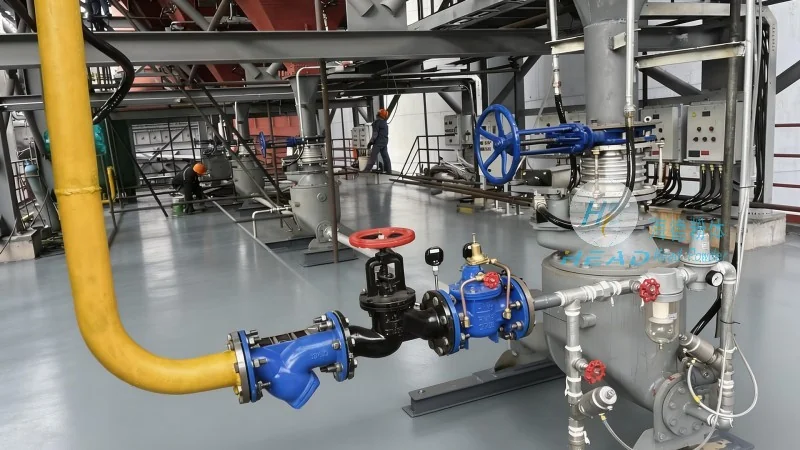
The working principle of pharmaceutical pneumatic conveying systems revolves around the use of air or gas to transport bulk materials through a network of pipes. There are primarily two types of pneumatic conveying systems: pressure and vacuum. In pressure systems, compressed air is used to push the material forward, while vacuum systems employ suction to draw the material into the system. The choice between these depends on factors such as material properties, distance to be conveyed, and system complexity. The process typically begins with the material being loaded into a hopper or feeder, where it is then introduced into the conveying line. The air flow, controlled by a blower or vacuum pump, creates a pressure differential that propels the material through the system. Key components include the feeder, conveying line, separation equipment, and control valves, all working in tandem to ensure smooth and consistent material transport.
Key Features of Pharmaceutical Pneumatic Conveying Systems
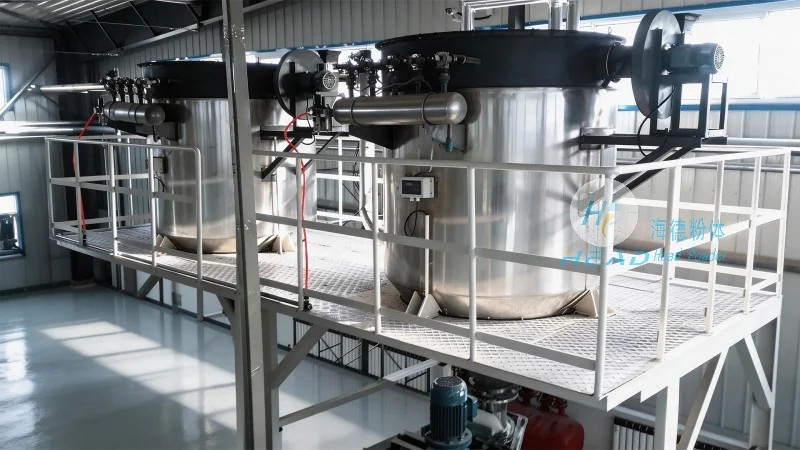
Pharmaceutical pneumatic conveying systems are characterized by several key features that make them suitable for the demanding requirements of the pharmaceutical industry. Firstly, they offer high levels of containment and dust control, which is crucial for preventing cross-contamination and protecting both the product and the environment. The sealed system design minimizes the release of particles into the air, adhering to regulatory standards such as those set by the FDA and GMP (Good Manufacturing Practice). Secondly, these systems provide excellent flexibility in terms of material handling, allowing for the transport of various powders and granules with different flow characteristics. This adaptability is essential for pharmaceutical manufacturers who often need to handle multiple raw materials or product variants. Thirdly, the systems are designed for easy cleaning and maintenance, with features like CIP (Clean-In-Place) and SIP (Sterilize-In-Place) capabilities to ensure that the equipment remains hygienic and compliant. Additionally, advanced control systems enable precise regulation of air flow, pressure, and material feed rates, enhancing process efficiency and reducing downtime. The robust construction of these systems, often made from stainless steel or other corrosion-resistant materials, ensures long-term durability and reliability in harsh manufacturing environments.
Application Examples in Pharmaceutical Manufacturing
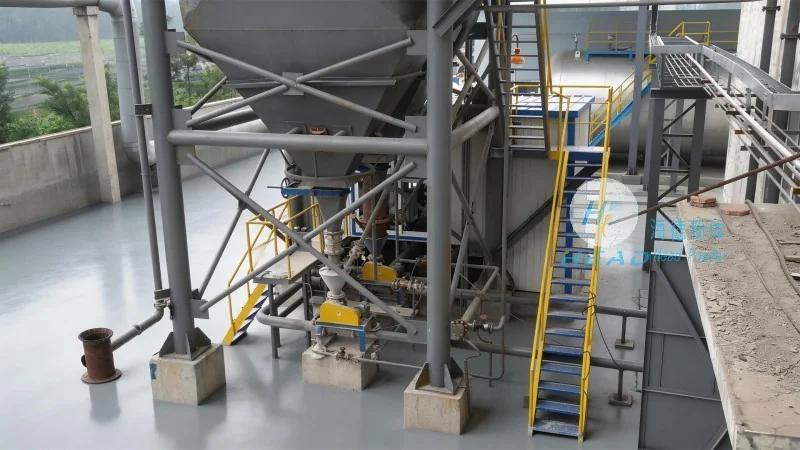
Pharmaceutical pneumatic conveying systems find wide applications across various stages of pharmaceutical production. In the raw material handling stage, they are used to transport excipients, such as lactose, starch, and microcrystalline cellulose, from storage silos to blending equipment. This ensures a continuous and controlled supply of raw materials, reducing bottlenecks in the production line. During the formulation stage, these systems are employed to convey active pharmaceutical ingredients (APIs) and other critical components to the mixing and granulation units. The precision and control offered by pneumatic conveying help maintain the uniformity of the blend, which is vital for achieving consistent product quality. In the packaging stage, pneumatic conveying systems can be used to transport finished dosage forms, such as tablets or capsules, from the filling line to the packaging machines. This ensures that the products are handled gently and efficiently, minimizing damage and ensuring accurate counting and labeling. Furthermore, these systems are also used in quality control and testing processes, where they help transport samples of raw materials or finished products to analytical laboratories for testing and verification.
Advantages of Using Pharmaceutical Pneumatic Conveying Systems
Implementing pharmaceutical pneumatic conveying systems offers numerous advantages for pharmaceutical manufacturers. One of the primary benefits is the significant reduction in labor costs and manual handling of materials. By automating the material transport process, companies can minimize the risk of human error and improve overall operational efficiency. The systems also contribute to a safer working environment by eliminating the need for manual handling of powders, which can cause respiratory issues or other health hazards. Additionally, the sealed and enclosed design of the systems helps prevent product contamination and cross-contamination, which is critical for maintaining product integrity and regulatory compliance. The ability to handle a wide range of materials, from fine powders to bulk granules, makes these systems versatile and adaptable to different production needs. Furthermore, the systems are designed for easy integration with other manufacturing equipment, such as mixers, blenders, and packaging machines, allowing for seamless workflow optimization. The long-term cost savings from reduced maintenance and increased equipment lifespan also make these systems a cost-effective investment for pharmaceutical manufacturers.
Considerations for Selecting and Implementing Pharmaceutical Pneumatic Conveying Systems
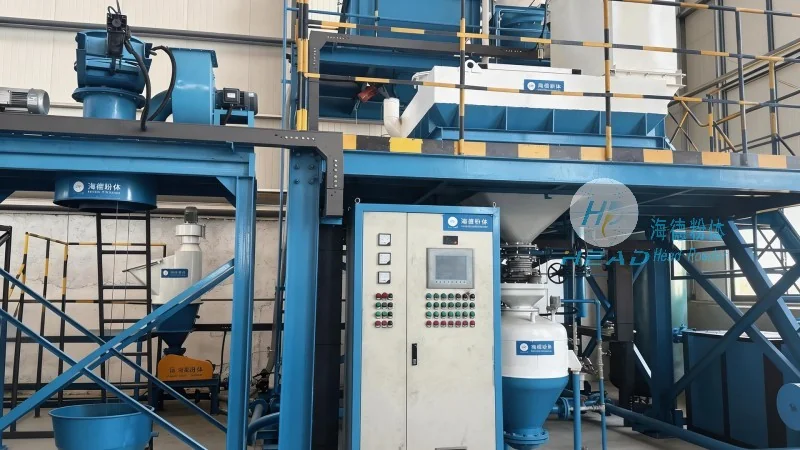
When selecting and implementing pharmaceutical pneumatic conveying systems, several factors must be considered to ensure optimal performance and compliance with industry standards. Firstly, the material properties of the pharmaceutical product being conveyed are a critical consideration. Factors such as particle size, density, flowability, and moisture content will influence the choice of system type and components. For example, fine powders may require a vacuum system with a high-efficiency filter to prevent clogging, while bulk granules may be better suited for a pressure system with larger conveying lines. Secondly, the distance and layout of the conveying system must be carefully planned to ensure that the system can handle the required material flow rates without excessive pressure drops or energy consumption. The design of the system should account for the height and horizontal distance to be covered, as well as any obstacles or changes in elevation. Thirdly, regulatory compliance is a key factor, as pharmaceutical manufacturers must adhere to GMP and other regulatory requirements. The system must be designed with features such as easy cleaning, sterilization, and documentation to meet these standards. Fourthly, the cost of the system, including initial investment, maintenance, and operational costs, should be evaluated to ensure it aligns with the manufacturer's budget and return on investment (ROI) goals. Finally, the reliability and performance of the system, including the availability of spare parts and technical support, should be considered to minimize downtime and ensure consistent production.