

Working Principle and Features of Gelatin Pneumatic Conveying Lines
Gelatin pneumatic conveying lines are specialized systems designed to transport gelatin powder efficiently and safely. These systems are widely used in the food and pharmaceutical industries due to their ability to handle delicate materials like gelatin without causing degradation or contamination. The technology behind these lines combines air flow and mechanical components to move the material from one location to another, making them a preferred choice for applications where traditional conveying methods may not be suitable.
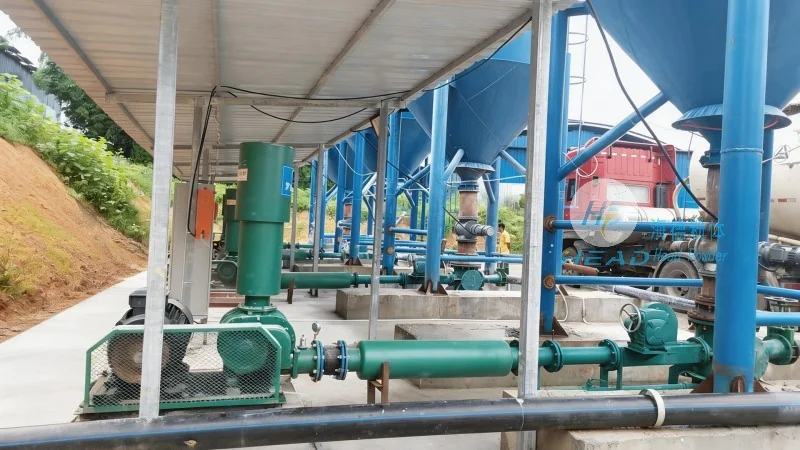
The Working Principle of Gelatin Pneumatic Conveying Lines
The core of a gelatin pneumatic conveying line is the air-driven mechanism that propels the gelatin particles through a pipeline. The process typically begins with the gelatin being fed into a hopper or feeder, where it is then introduced into a high-pressure air stream. The air, often supplied by a blower or compressor, creates a vacuum or pressure differential that pulls the gelatin particles along the pipeline. There are two main types of pneumatic conveying systems used for gelatin: the suction (or vacuum) system and the pressure system. The suction system operates by creating a negative pressure in the pipeline, drawing the gelatin from the source to the destination. This method is ideal for short distances and when the material is to be collected from multiple points. The pressure system, on the other hand, uses positive pressure to push the gelatin through the pipeline, which is suitable for longer distances and when the material needs to be delivered to a single point. Both systems are designed to maintain consistent air pressure and flow rates, which is crucial for preventing clogging and ensuring the gelatin remains in a dry, free-flowing state throughout the conveying process. The system may also include components such as cyclones, filters, and control valves that help regulate the flow and ensure the material is transported smoothly.
Key Features of Gelatin Pneumatic Conveying Lines
Several key features make gelatin pneumatic conveying lines stand out in material handling applications. First, they offer a closed system, which minimizes exposure to contaminants and dust, a critical factor in industries where product purity is paramount. Second, the system is highly efficient in terms of energy consumption, as it uses compressed air to move the material rather than mechanical components like belts or chains, reducing wear and tear on equipment. Third, gelatin pneumatic conveying lines are flexible and can be adapted to various production line configurations, allowing for easy integration into existing facilities. Additionally, these systems are capable of handling both low and high volumes of gelatin, making them suitable for small-scale laboratory operations as well as large-scale industrial production. The design also includes safety features such as pressure relief valves and emergency shut-off mechanisms to prevent accidents and ensure operator safety.
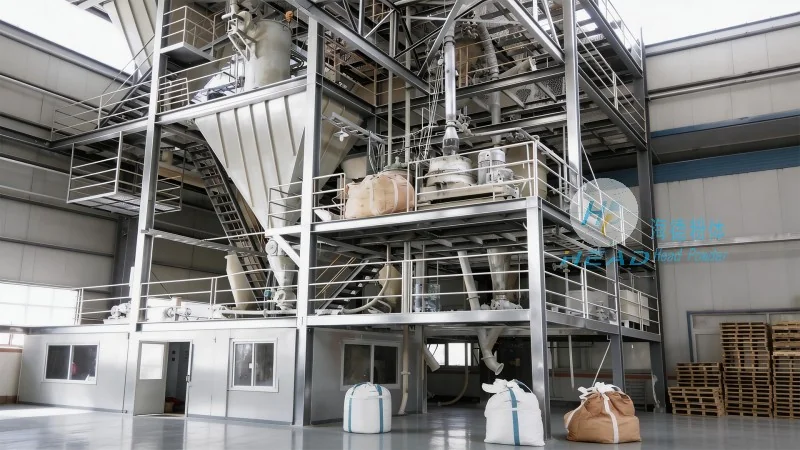
Application Examples in the Food and Pharmaceutical Industries
Gelatin pneumatic conveying lines are commonly employed in the food and pharmaceutical sectors for transporting gelatin used in various products. For instance, in the food industry, they are used to move gelatin for confectionery, gelatin desserts, and other food products. In the pharmaceutical industry, these lines are crucial for transporting gelatin used in capsules, tablets, and other medicinal formulations. The ability to maintain the quality and purity of the gelatin during transport is essential, and the pneumatic conveying system achieves this by keeping the material in a dry, non-contact environment with minimal exposure to external factors. This ensures that the final product meets the strict quality standards required by regulatory bodies in both industries.
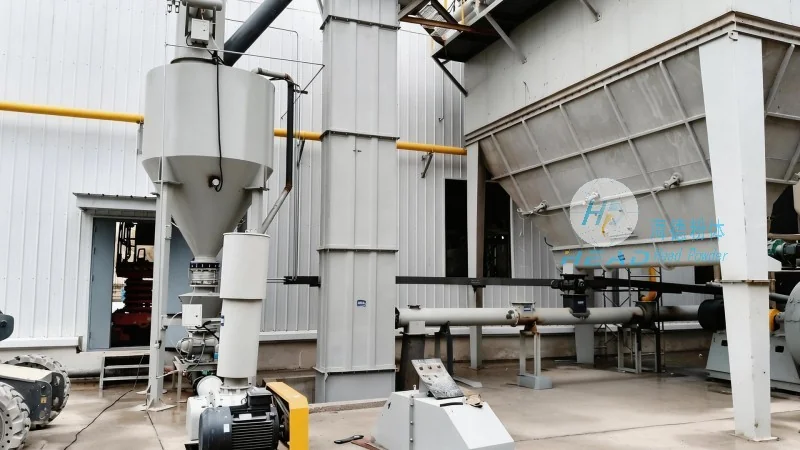
Advantages Over Traditional Conveying Methods
Compared to traditional conveying methods like belt conveyors or screw conveyors, gelatin pneumatic conveying lines offer several advantages. Traditional methods often involve direct contact between the material and the conveying equipment, which can lead to contamination or degradation of the gelatin, especially if the equipment is not properly maintained. In contrast, pneumatic conveying systems keep the gelatin in a closed, air-driven environment, reducing the risk of contamination and preserving the material's quality. Additionally, pneumatic systems are more hygienic and easier to clean, which is important for compliance with food and pharmaceutical regulations. They also provide better control over the flow rate and direction of the material, allowing for precise dosing and delivery to downstream processes. The flexibility of the system also allows for easy reconfiguration or expansion as production needs change, making it a cost-effective solution in the long run.
Customization and Integration by Shandong HeadPowder Engineering Co., Ltd.
Shandong HeadPowder Engineering Co., Ltd., a leading manufacturer in the field, specializes in designing and manufacturing gelatin pneumatic conveying lines tailored to the specific needs of their clients. The company, commonly known as HeadPowder, leverages years of experience in material handling technology to develop systems that meet the highest standards of efficiency, safety, and reliability. Their customization services include selecting the appropriate air pressure, pipeline diameter, and control components based on the client's production volume and gelatin characteristics. The engineering team at HeadPowder works closely with clients to understand their operational requirements and provides solutions that integrate seamlessly with existing production lines. The company's commitment to quality is reflected in their use of durable materials and rigorous testing procedures to ensure that each conveying line performs optimally under various conditions. With a focus on customer satisfaction and long-term partnerships, HeadPowder offers comprehensive support, including installation, maintenance, and technical assistance, to ensure that their clients can maximize the benefits of their gelatin pneumatic conveying systems.