Understanding the principles and characteristics of lithium oxalate powder pneumatic conveying is crucial for optimizing material handling processes in various industrial applications. This article explores the fundamental mechanisms behind pneumatic conveying systems, specifically focusing on the unique properties of lithium oxalate powder and the operational environments where such systems are most effective.
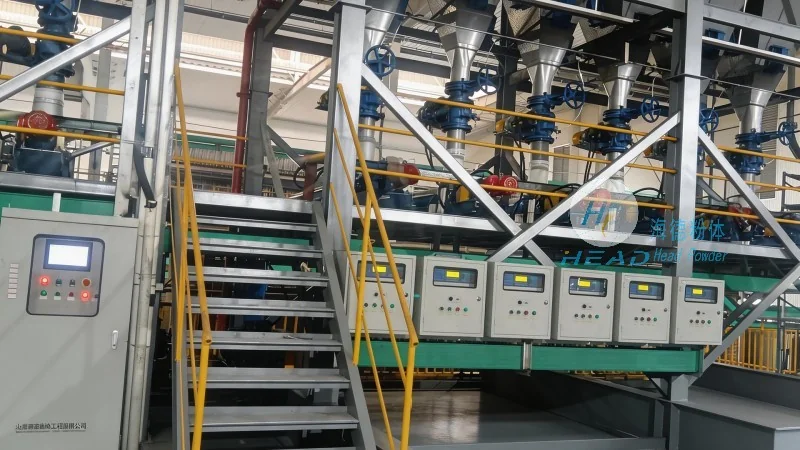
Introduction to Lithium Oxalate Powder Pneumatic Conveying
Lithium oxalate is a critical chemical compound widely used in battery manufacturing, pharmaceuticals, and other high-tech industries. Its fine powder form requires specialized handling techniques to ensure efficient and safe transportation. Pneumatic conveying, a method that uses pressurized air or gas to move bulk materials, offers a non-contact, low-damage solution for transporting lithium oxalate powder. This approach minimizes product degradation and contamination, making it ideal for sensitive applications.
The Core Principles of Pneumatic Conveying Systems
Pneumatic conveying systems operate on the principle of fluidization and suspension of solid particles within a gas stream. In the case of lithium oxalate powder, the system typically involves a hopper, a conveying line, and a receiver. The process begins with the powder being fed into the hopper, where it is then drawn into the conveying line by a vacuum or pressure source. The air flow creates a suspension of the powder particles, allowing them to be transported through the pipeline to the destination point. Key factors influencing the efficiency of this process include particle size distribution, moisture content, and the air velocity within the system.
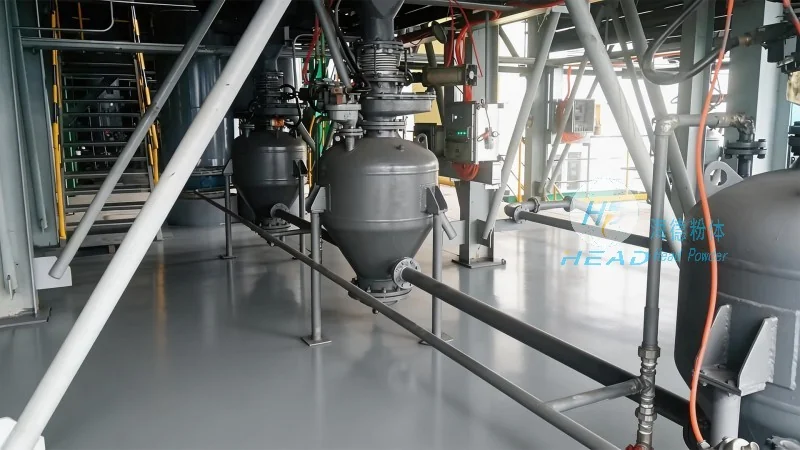
Working Scene Characteristics and Application Environments
The effectiveness of lithium oxalate powder pneumatic conveying is highly dependent on the specific working environment and operational conditions. Different industrial settings present unique challenges that require tailored system designs. For instance, in battery production facilities, where large volumes of lithium oxalate are processed, high-capacity conveying systems with robust filtration and dust control measures are essential to maintain product purity and operational safety. In contrast, laboratory-scale applications may utilize smaller, more flexible pneumatic conveying setups that prioritize precision and minimal material loss.
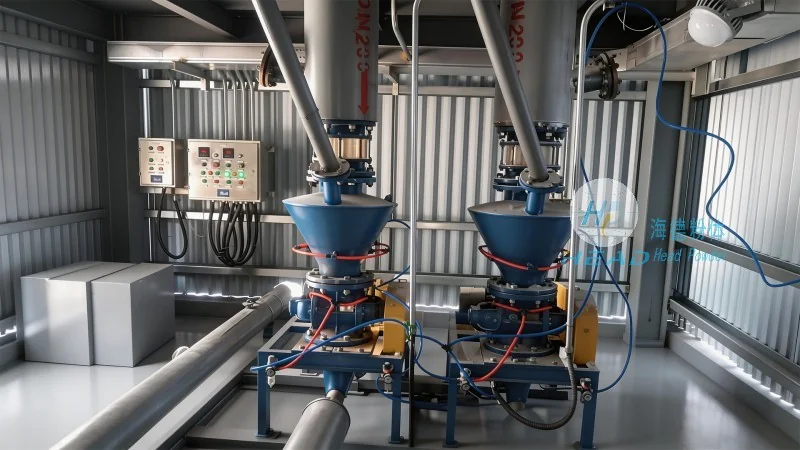
Advantages of Pneumatic Conveying for Lithium Oxalate
Compared to traditional mechanical conveying methods, pneumatic conveying offers several advantages for handling lithium oxalate powder. These include reduced product degradation due to lack of physical contact, lower risk of contamination from external sources, and the ability to transport materials over long distances without the need for multiple transfer points. Additionally, pneumatic systems can be integrated with other processing equipment, such as mixing and drying units, to create a seamless material flow within production lines. The flexibility of these systems also allows for easy adaptation to changing production demands, making them a versatile solution for various industrial needs.
Company Overview: Shandong HeadPowder Engineering Co., Ltd.
Shandong HeadPowder Engineering Co., Ltd., commonly known as HeadPowder, is a leading provider of specialized powder handling solutions, including pneumatic conveying systems for lithium oxalate and other fine powders. With a strong focus on innovation and customer-centric design, HeadPowder has established itself as a trusted partner in the chemical and battery industries. The company’s headquarters is located in Shandong, China, where its team of experts develops and manufactures advanced conveying technologies tailored to meet the unique requirements of modern industrial applications.




