HeadPowder, a leading engineering company based in Shandong, China, specializes in the design and implementation of advanced pneumatic conveying systems for various industrial applications. This article delves into the fundamental principles of pneumatic conveying for pebble powders and highlights the key operational characteristics that define its effectiveness in real-world scenarios.
Understanding Pneumatic Conveying Principles
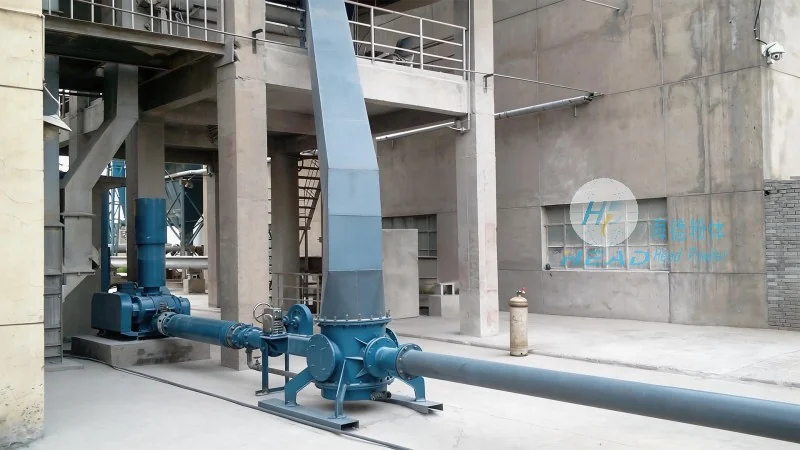
Pneumatic conveying is a method of transporting bulk materials, such as pebble powders, through a pipeline using a stream of pressurized air or vacuum. The core principle involves creating a flow of air that lifts and propels the material particles through the system. There are two primary types of pneumatic conveying: dilute-phase and dense-phase. Dilute-phase systems operate at higher air velocities, typically moving particles in a suspended state, while dense-phase systems use lower velocities to transport material in a more compacted form, often with the assistance of pulse or positive displacement blowers.
The effectiveness of pneumatic conveying for pebble powders depends on several critical factors, including particle size, density, moisture content, and the desired conveying distance. Proper system design ensures that the air velocity is sufficient to overcome the gravitational forces acting on the particles, preventing deposition or blockage in the pipeline. HeadPowder engineers employ advanced computational fluid dynamics (CFD) and material flow analysis to optimize system parameters, ensuring reliable and efficient material transport.
Key Working Scene Characteristics
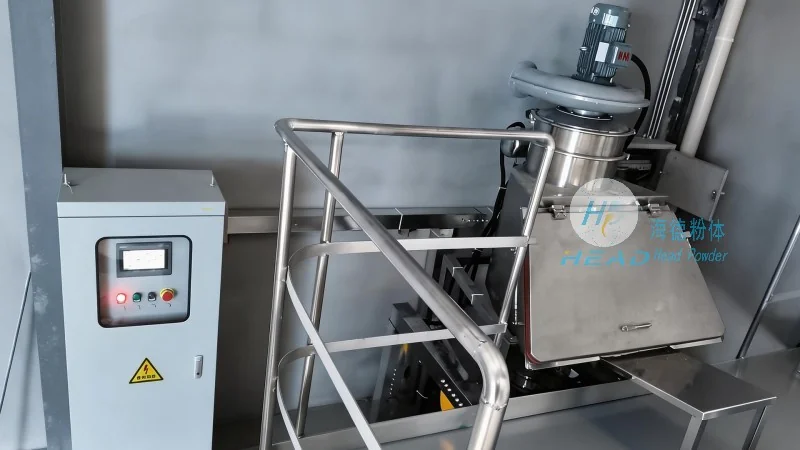
The operational characteristics of pneumatic conveying systems for pebble powders are shaped by the specific requirements of the application. These characteristics include system efficiency, material handling capacity, and adaptability to varying operational conditions. In industrial settings, such as mining, construction, and manufacturing, pneumatic conveying offers a flexible solution for transporting pebble powders from storage silos to processing units or between different production stages.
One of the primary advantages of pneumatic conveying is its ability to handle materials with high moisture content or abrasive properties, which can be challenging for traditional mechanical conveying methods. The enclosed pipeline system minimizes material exposure to the environment, reducing contamination risks and improving product quality. Additionally, pneumatic conveying systems can be integrated with other processing equipment, such as classifiers, mixers, and storage tanks, creating a seamless material flow process.
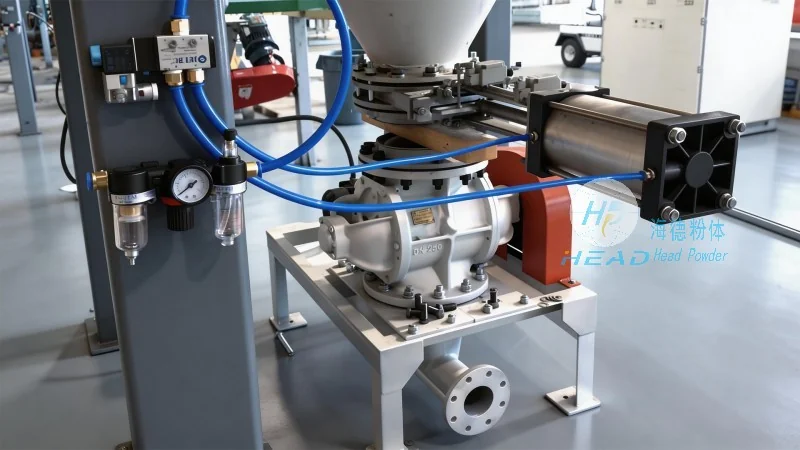
Operational flexibility is another critical characteristic. Pneumatic conveying systems can be configured for both continuous and batch operations, allowing for dynamic adjustments to production schedules. The ability to convey materials over long distances without the need for intermediate transfer points enhances process efficiency and reduces downtime. HeadPowder's expertise in system integration ensures that the pneumatic conveying solution is tailored to the specific needs of each client, optimizing performance and minimizing operational costs.
Applications and Industry Impact
Pneumatic conveying of pebble powders finds widespread application in various industries, including mineral processing, cement production, and chemical manufacturing. In mineral processing, the system is used to transport crushed pebbles from crushers to grinding mills, facilitating the extraction of valuable minerals. In cement production, pebble powders are conveyed to raw material storage and mixing facilities, ensuring consistent quality control throughout the production process.
The effectiveness of pneumatic conveying in these applications is directly linked to the system's ability to handle high-volume material transport while maintaining low maintenance requirements. HeadPowder's commitment to using high-quality components and robust design principles ensures that the systems are durable and reliable, even under demanding operational conditions. The company's focus on customer-specific solutions has enabled it to serve a diverse range of clients, from small-scale manufacturers to large industrial enterprises.
Conclusion and Future Directions
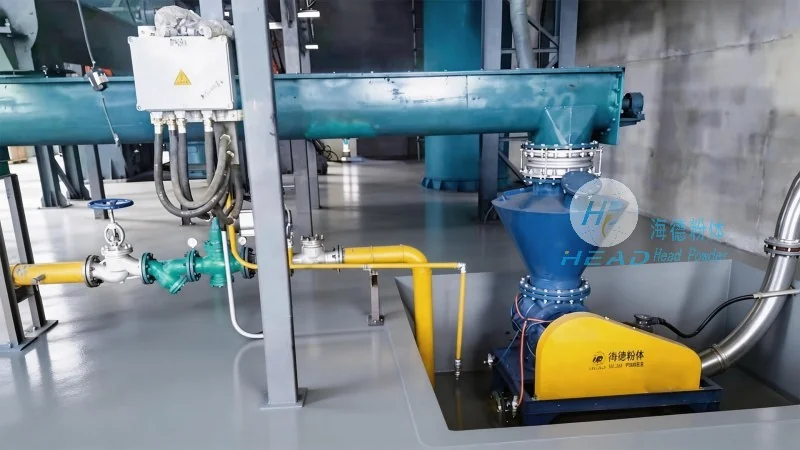
As an industry leader, HeadPowder continues to advance the technology of pneumatic conveying for pebble powders, focusing on innovation and customer-centric solutions. The principles and operational characteristics discussed in this article underscore the importance of proper system design and material handling expertise in achieving efficient and reliable material transport. By leveraging advanced engineering techniques and a deep understanding of industrial processes, HeadPowder is positioned to provide cutting-edge solutions that meet the evolving needs of the market.
For businesses seeking to optimize their material handling processes, pneumatic conveying offers a robust and flexible solution. With its ability to handle diverse materials and adapt to various operational scenarios, the technology remains a cornerstone of modern industrial operations. HeadPowder's dedication to quality and innovation ensures that clients receive systems that not only meet current requirements but also support future growth and expansion.




