Denitrification fly ash powder pneumatic conveying is a key technology in industrial material handling, particularly for transporting fine powders such as those generated from flue gas desulfurization and denitrification processes. The core principle involves using air as the conveying medium to transport solid particles through a pipeline system. This method eliminates the need for mechanical components like conveyors or buckets, offering a flexible and efficient solution for handling hazardous or high-volume ash powders.
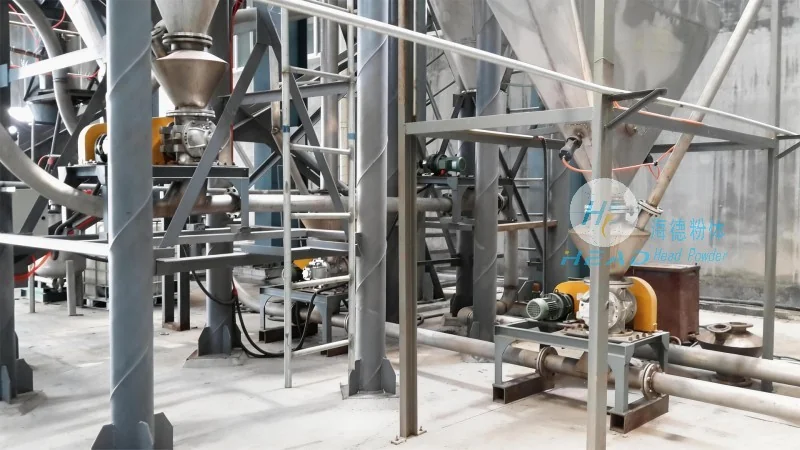
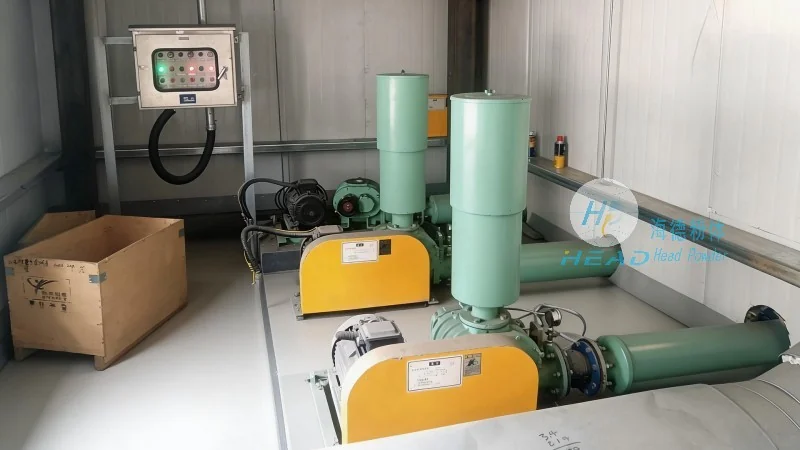
The process typically operates under either positive pressure (pressure pneumatic conveying) or negative pressure (vacuum pneumatic conveying), depending on the application requirements. Positive pressure systems use a blower to push air and ash particles through the pipeline, while negative pressure systems employ a vacuum pump to draw the material from the source. The choice of system depends on factors like the distance of transport, the volume of material, and the need to prevent dust emissions.
Key components of a pneumatic conveying system for denitrification fly ash include the ash feeder (to control the flow rate), the air compressor or vacuum pump, the conveying pipeline (often made of stainless steel or plastic to resist corrosion from ash particles), and the dust separator or cyclone to separate the ash from the air at the receiving end. The feeder ensures a consistent flow of ash, preventing blockages or uneven material transport. The pipeline design considers the ash's particle size, density, and moisture content to maintain efficient conveying without excessive pressure drop or particle degradation.
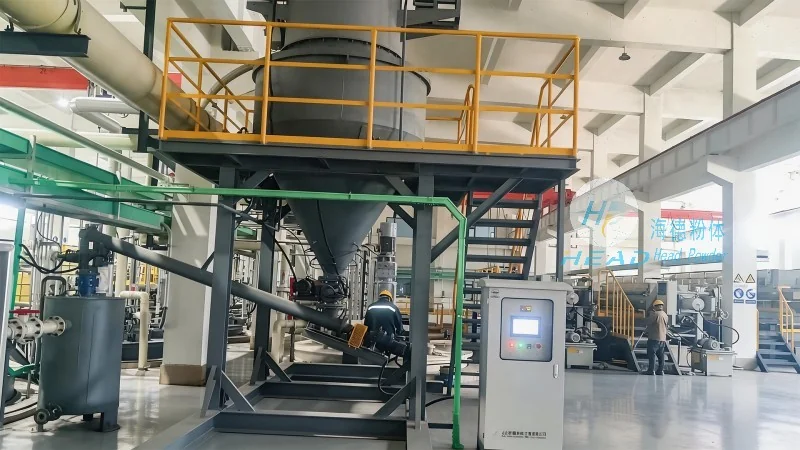
Working Scene Characteristics of Denitrification Fly Ash Powder Pneumatic Conveying
Denitrification fly ash powder pneumatic conveying is widely applied in industrial settings where ash management is critical, such as power plants, cement factories, and waste incineration facilities. The working scene characteristics are tailored to the specific needs of these environments, emphasizing safety, efficiency, and environmental compliance.
In power plants, for example, the system is used to transport fly ash from the electrostatic precipitator or bag filter to storage silos or disposal sites. The high-volume nature of ash generation in these plants makes pneumatic conveying an ideal choice due to its ability to handle large quantities of fine particles without the need for extensive infrastructure. The system operates continuously, ensuring that ash is removed promptly to maintain the efficiency of the combustion process and prevent ash buildup in the flue gas system.
Cement factories also benefit from this technology, as they require large amounts of fly ash as a supplementary cementitious material. Pneumatic conveying allows for the efficient transport of ash from storage areas to the mixing plant, where it is blended with clinker and other raw materials. The system's flexibility enables adjustments to the flow rate based on production demands, ensuring that the cement production process remains smooth and uninterrupted.
Waste incineration facilities use pneumatic conveying to transport ash from the incinerator to treatment or disposal units. The process must comply with strict environmental regulations regarding dust emissions and ash handling. The negative pressure system is often preferred in these applications to minimize the risk of dust leakage and to maintain a controlled environment within the facility. The dust separator at the receiving end ensures that the air is cleaned before release, preventing air pollution and protecting the health of workers.
Advantages and Considerations in Denitrification Fly Ash Powder Pneumatic Conveying
Compared to traditional mechanical conveying methods, denitrification fly ash powder pneumatic conveying offers several advantages that make it a preferred choice in many industrial applications. One of the primary benefits is the elimination of moving parts, which reduces maintenance costs and the risk of mechanical failure. The system is also more flexible, as it can be easily reconfigured to change the direction or distance of transport without major modifications.
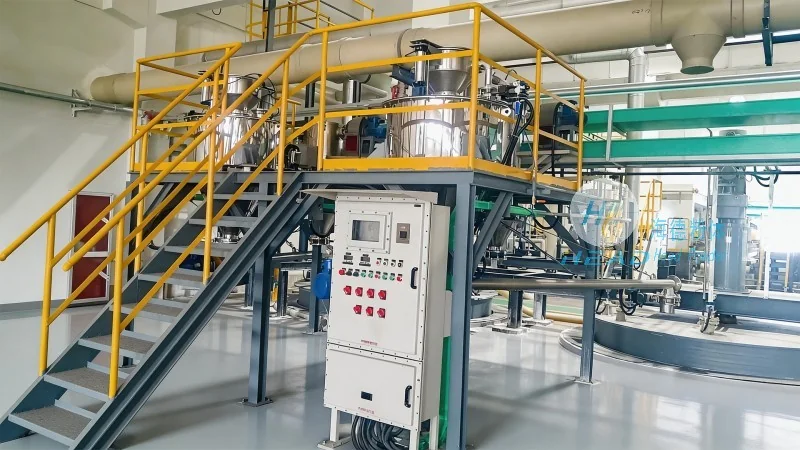
Another advantage is the ability to handle hazardous or corrosive materials safely. The enclosed pipeline system prevents dust from escaping into the environment, reducing the risk of respiratory issues or contamination. For denitrification fly ash, which may contain trace amounts of heavy metals or other pollutants, this safety feature is particularly important. The system also minimizes the risk of ash contamination, as the material is not exposed to external elements during transport.
However, there are considerations to keep in mind when implementing pneumatic conveying for denitrification fly ash. The high moisture content of some ash can lead to caking or blockages in the pipeline, requiring the use of drying or anti-caking agents. The particle size distribution is also critical; too fine or too coarse particles can affect the conveying efficiency and increase pressure drop. Proper system design and regular maintenance are essential to ensure optimal performance and prevent downtime.




