

<!DOCTYPE html>
Understanding the principles and operational characteristics of bulk grain powder pneumatic conveying systems is crucial for optimizing material handling in agricultural and food processing industries. This article provides an in-depth overview of the technology, its working principles, and typical application scenarios, highlighting the key features that make such systems efficient and reliable for transporting grain powders.
Introduction to Bulk Grain Powder Pneumatic Conveying Systems
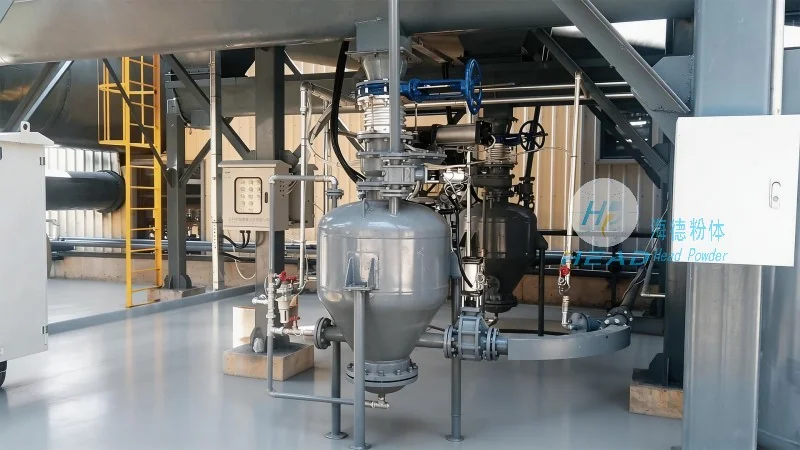
Bulk grain powder pneumatic conveying systems are advanced solutions designed to transport granular or powdery materials, such as grains, cereals, and other agricultural products, from one location to another using air pressure. These systems are widely used in industries like grain processing, storage, and distribution due to their ability to handle large volumes of material with minimal maintenance and operational costs. The core technology behind these systems involves the use of a fan or blower to create a pressure differential that propels the material through a pipeline network.
Working Principles of Pneumatic Conveying Systems
The fundamental principle of pneumatic conveying is the creation of a flow of air that carries the grain powder through a system of pipes. There are two main types of pneumatic conveying systems: pressure and vacuum. Pressure systems operate by blowing air into the material, while vacuum systems draw material into the system using a vacuum pump. In both cases, the air velocity and pressure are carefully controlled to ensure efficient transport without damaging the grain particles. The system typically includes a hopper for material storage, a feeder to control the flow rate, a conveying line, and a receiver for the discharged material. The air flow is regulated by a fan or blower, which can be adjusted to match the material's characteristics and the required conveying distance.
Key Operational Characteristics and Performance Factors
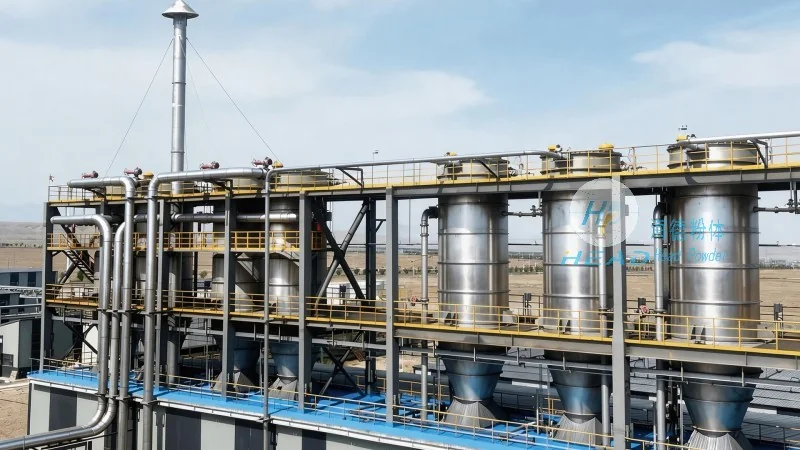
Several factors influence the performance of bulk grain powder pneumatic conveying systems. The most critical parameters include the material's bulk density, particle size distribution, and moisture content, as these affect the air velocity required for stable transport. The system's design must account for these variables to prevent issues like blockages or material degradation. Additionally, the conveying distance and elevation changes impact the required air pressure and power consumption. Modern systems often incorporate advanced control systems that monitor and adjust these parameters in real-time, ensuring optimal performance and energy efficiency. The choice between pressure and vacuum systems depends on the specific application, with pressure systems generally preferred for long-distance or high-volume transport due to their higher efficiency and lower maintenance requirements.
Typical Application Scenarios and Industry Use Cases
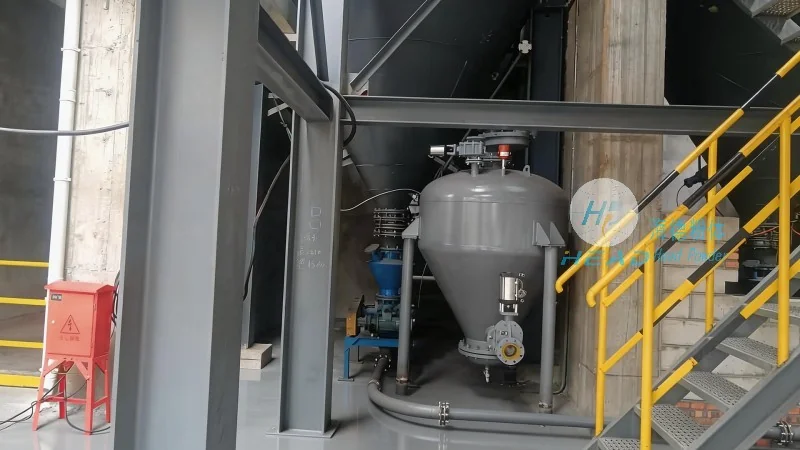
Bulk grain powder pneumatic conveying systems are employed in a variety of operational scenarios across the agricultural and food processing sectors. In grain processing facilities, these systems are used to transport raw grains from storage silos to processing equipment, such as mills or cleaners. They are also utilized in the packaging stage to move finished products from production lines to storage or shipping areas. In grain storage and distribution centers, pneumatic conveying systems facilitate the transfer of grain between different storage silos or to loading vehicles, ensuring smooth and continuous material flow. Another common application is in the handling of byproducts, such as bran or meal, which are often transported from processing equipment back to storage or for further processing. The versatility of these systems makes them suitable for both large-scale industrial operations and smaller-scale agricultural businesses, providing a reliable solution for material handling in diverse environments.
Advantages and Benefits of Using Pneumatic Conveying Systems
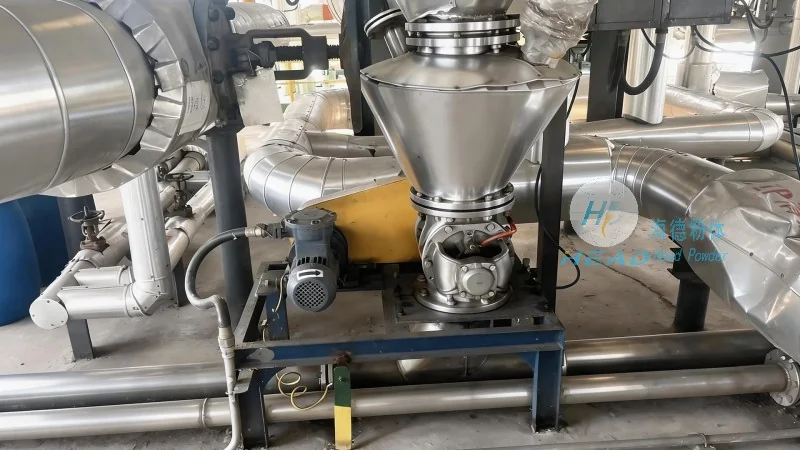
Implementing bulk grain powder pneumatic conveying systems offers numerous advantages over traditional mechanical conveying methods. One of the primary benefits is the reduction in material handling costs, as these systems can transport large volumes of grain with minimal labor and equipment. The enclosed pipeline design also helps maintain product quality by preventing contamination from dust, moisture, or external elements. Additionally, pneumatic conveying systems are more flexible in terms of layout, as they can be easily reconfigured to accommodate changes in production processes or facility expansions. The systems are also relatively low-maintenance, with fewer moving parts compared to mechanical conveyors, leading to lower long-term operational costs. Furthermore, the ability to handle a wide range of grain types and particle sizes makes these systems adaptable to various processing needs, enhancing overall operational efficiency.
Conclusion and Company Overview
Bulk grain powder pneumatic conveying systems represent a sophisticated and efficient solution for material handling in the agricultural and food processing industries. By understanding the principles and operational characteristics of these systems, businesses can optimize their material transport processes, improve productivity, and reduce costs. Shandong HeadPowder Engineering Co., Ltd., a leading provider of such systems, specializes in designing and manufacturing customized pneumatic conveying solutions tailored to the specific needs of their clients. With a focus on innovation and quality, the company ensures that its products meet the highest industry standards, providing reliable and efficient material handling solutions for grain processing and storage applications. Based in Shandong, China, HeadPowder Engineering leverages its expertise to deliver advanced pneumatic conveying systems that enhance operational efficiency and contribute to the success of agricultural and food processing operations worldwide.