

What is a Fine Powder Bulk Material Conveyor? And What Are Its Design Principles?
For industries dealing with fine powders, selecting the right equipment for material handling is crucial. A fine powder bulk material conveyor, also known as a fine powder conveyor, is a specialized system designed to transport dry, fine particulate materials efficiently and reliably. This article explores the fundamental aspects of such conveyors, focusing on their design principles and the technology behind them.
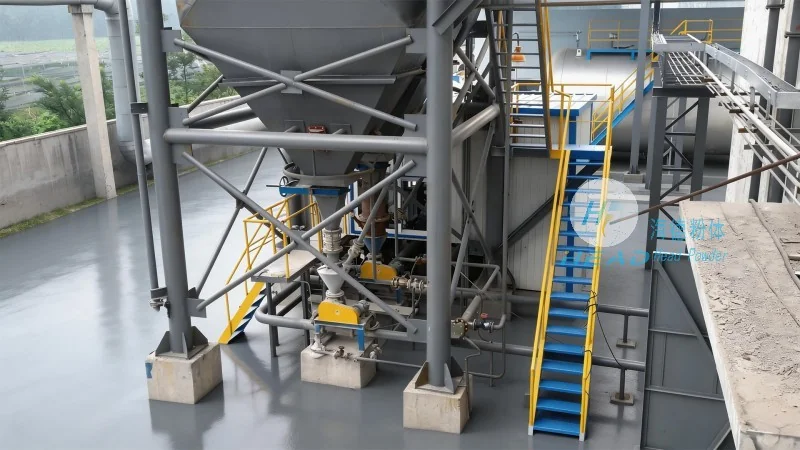
About HeadPowder: A Leading Provider of Bulk Material Handling Solutions
HeadPowder, or Shandong HeadPowder Engineering Co., Ltd., is a reputable company based in Shandong, China. Specializing in engineering solutions for bulk material handling, HeadPowder offers a range of equipment tailored to the needs of various industries, including chemical, pharmaceutical, and food processing. The company's expertise lies in designing and manufacturing conveyors that ensure optimal performance, minimal product loss, and compliance with industry standards.
Understanding Fine Powder Bulk Material Conveyors: An Overview
Fine powder bulk material conveyors are designed to handle materials with particle sizes typically ranging from 10 microns to a few millimeters. These materials, such as powders, granules, and other dry particulates, require specialized handling due to their tendency to flow, clog, or create dust. The primary goal of a fine powder conveyor is to transport these materials from one location to another without degradation or loss. Key features of these systems include enclosed or semi-enclosed designs to prevent dust dispersion, variable speed drives for precise control, and materials that are compatible with the conveyed powders to avoid contamination.
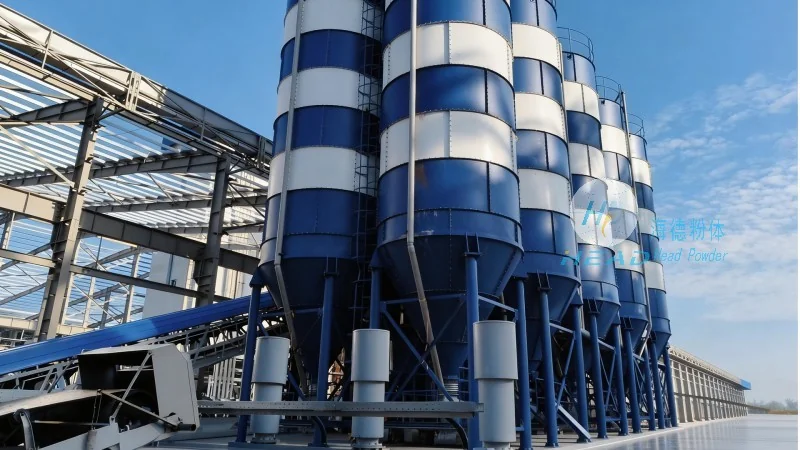
Design Principles of Fine Powder Conveyors: Ensuring Efficiency and Reliability
The design of a fine powder bulk material conveyor is based on several critical principles to ensure optimal performance. First, the system must be capable of handling the specific characteristics of the fine powder, such as its flowability, density, and moisture content. This involves selecting appropriate components like feeders, conveyors, and discharge mechanisms that minimize friction and prevent material buildup. Second, the design emphasizes dust control and environmental safety. Enclosed conveyor systems with proper sealing and filtration are essential to prevent dust emissions and protect the working environment. Third, the system must be easy to clean and maintain to ensure consistent performance over time. This includes features like easy access to internal components and cleaning mechanisms that prevent cross-contamination.
Key Components and Their Roles in Fine Powder Conveyors
Several key components work together to ensure the efficient operation of a fine powder bulk material conveyor. The feed system, often including a hopper and a feeder, is responsible for introducing the material into the conveyor at a controlled rate. The conveyor itself, which may be a screw conveyor, pneumatic conveyor, or a combination of both, transports the material through the system. The discharge mechanism ensures the material is released at the desired location without spillage or clogging. Additionally, control systems, including sensors and variable speed drives, monitor and adjust the conveyor's operation to maintain optimal performance. These components are carefully selected and integrated to meet the specific requirements of the fine powder being handled.
Applications and Industries That Benefit from Fine Powder Conveyors
Fine powder bulk material conveyors are widely used across various industries due to their ability to handle delicate and sensitive materials. In the chemical industry, they are used to transport powders like cement, pigments, and pharmaceuticals. The food processing industry relies on them to handle ingredients like flour, sugar, and spices, ensuring product quality and safety. The pharmaceutical industry also benefits from these systems, as they help maintain the purity and integrity of medicinal powders. Other applications include the handling of minerals, plastics, and other industrial powders where consistent and reliable transport is essential.
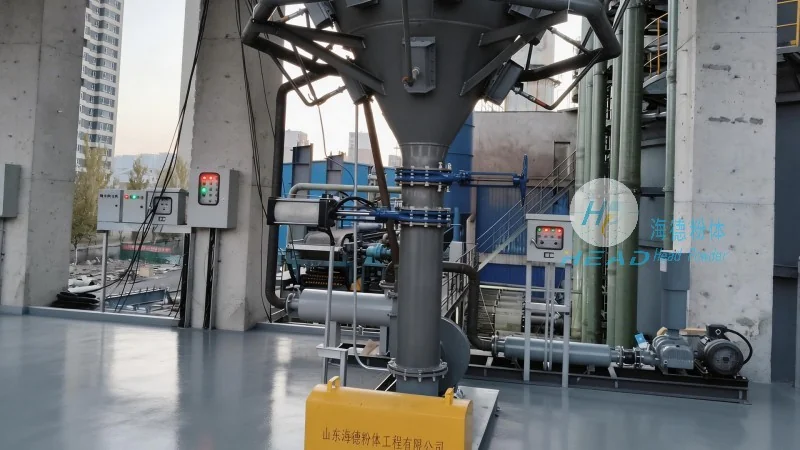
Advantages of Using Fine Powder Bulk Material Conveyors
Implementing a fine powder bulk material conveyor offers several advantages for businesses. First, it improves operational efficiency by reducing material handling time and labor costs. The automated system ensures consistent material flow, minimizing downtime and maximizing productivity. Second, it enhances product quality by preventing contamination and degradation. The enclosed design and careful material handling reduce the risk of dust contamination and product loss. Third, it improves workplace safety by controlling dust emissions and providing a clean working environment. This reduces the risk of respiratory issues and other health hazards associated with fine powders. Finally, the system is designed for easy maintenance, reducing repair costs and ensuring long-term reliability.
Conclusion: Choosing the Right Fine Powder Conveyor for Your Needs
When selecting a fine powder bulk material conveyor, it is essential to consider the specific characteristics of the material being handled and the operational requirements of the facility. A well-designed system, such as those offered by HeadPowder, combines advanced engineering with practical application to ensure optimal performance. By understanding the design principles and key components of these conveyors, businesses can make informed decisions that enhance their material handling processes and overall operational efficiency. With a focus on reliability, safety, and efficiency, fine powder conveyors are a critical investment for industries dealing with dry, fine particulate materials.