Barley powder pneumatic conveying systems represent a sophisticated technology used in the handling and transportation of barley powder, a critical component in various industrial processes. This system leverages the principles of pneumatic transport to efficiently move bulk materials like barley powder from one location to another, ensuring minimal loss, contamination, and operational efficiency. The technology is particularly valuable in industries where maintaining the quality and integrity of the powder is paramount, such as food processing, pharmaceuticals, and agricultural processing.
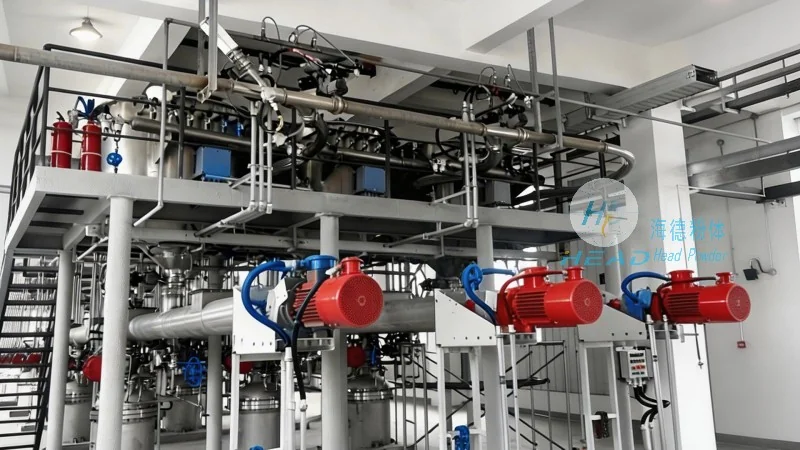
Company Overview: Shandong HeadPowder Engineering Co., Ltd.
HeadPowder, a leading provider in the field of material handling solutions, specializes in designing, manufacturing, and implementing advanced pneumatic conveying systems. With a strong commitment to innovation and customer satisfaction, the company has established itself as a trusted partner for businesses seeking reliable and efficient solutions for powder handling. HeadPowder’s expertise lies in tailoring systems to meet specific operational requirements, ensuring optimal performance and durability. The company’s headquarters is located in Shandong, China, where it leverages local resources and expertise to deliver high-quality products and services.
Principle of Pneumatic Conveying for Barley Powder
The core principle of a barley powder pneumatic conveying system is the use of air as the conveying medium to transport the powder. The system typically operates by creating a pressure differential between the inlet and outlet of the conveying line. Air is introduced into the system, often using a blower or compressor, which generates the necessary pressure to move the powder particles. The powder is then suspended in the air stream and carried through the pipeline to the destination. This method eliminates the need for mechanical components like belts or buckets, reducing maintenance requirements and potential points of failure. The system can be designed as either a positive pressure or negative pressure system, depending on the specific application and material characteristics.
Key Components of the System
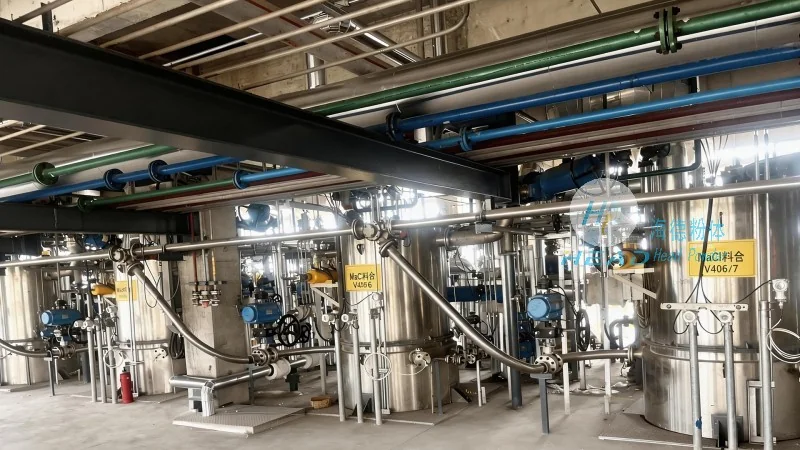
A typical barley powder pneumatic conveying system consists of several key components that work in tandem to ensure efficient operation. These include a hopper or feeder to store and feed the barley powder, a blower or compressor to generate the air flow, a conveying line (often made of stainless steel or other corrosion-resistant materials to prevent contamination), a separator or cyclone to separate the powder from the air at the end of the line, and a dust collector to capture any residual particles. The hopper is designed to maintain a consistent flow of powder, preventing blockages and ensuring smooth operation. The blower or compressor is selected based on the required air volume and pressure, which are critical parameters for system performance. The conveying line is typically straight or with gentle bends to minimize pressure loss and prevent powder degradation. The separator is essential for recovering the powder from the air stream, while the dust collector ensures compliance with environmental regulations and maintains air quality.
Application Scenarios and Operational Advantages
Barley powder pneumatic conveying systems are widely used in various industrial settings due to their versatility and efficiency. One primary application is in the food industry, where barley powder is used as an ingredient in baked goods, beverages, and other food products. The system allows for the safe and hygienic transport of the powder, preventing cross-contamination and maintaining product quality. In the pharmaceutical industry, the system is used to transport barley powder for use in nutritional supplements or medicinal formulations, where strict quality control is essential. The system’s ability to handle fine powders without agglomeration or degradation makes it ideal for these applications. Additionally, in agricultural processing, the system can be used to transport barley powder from storage facilities to processing plants, improving operational efficiency and reducing labor costs.
Advantages of Using Pneumatic Conveying Systems
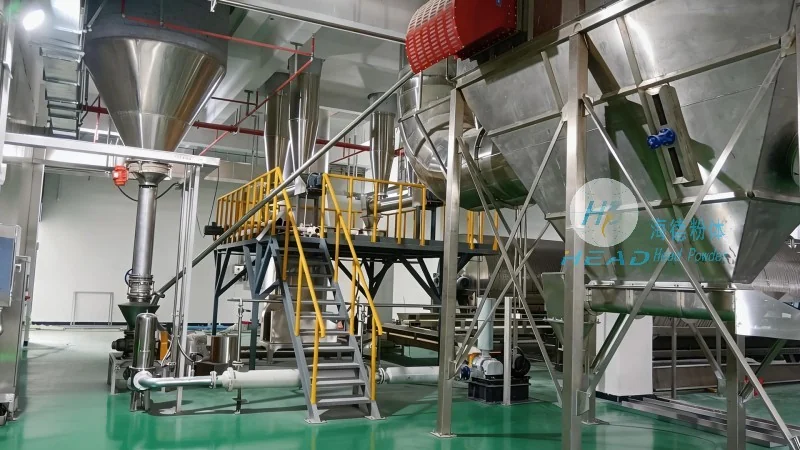
Compared to traditional mechanical conveying methods, barley powder pneumatic conveying systems offer several advantages. First, they are highly efficient in terms of energy consumption, as the air flow is optimized to minimize pressure loss and energy waste. Second, the system is flexible and can be easily adapted to different operational requirements, such as varying powder flow rates or distances. Third, the system is hygienic and easy to clean, which is crucial in industries like food and pharmaceuticals where contamination control is critical. Fourth, the system reduces labor costs by automating the powder handling process, minimizing the need for manual labor and associated risks. Finally, the system is durable and has a long service life, with minimal maintenance requirements, resulting in lower overall operational costs.
Customization and Integration with Existing Systems
HeadPowder understands that each industrial application has unique requirements, and therefore offers customized pneumatic conveying systems tailored to specific needs. The company works closely with clients to assess their operational needs, material characteristics, and space constraints to design a system that meets their exact specifications. The systems can be integrated with existing equipment, such as storage silos, processing lines, or packaging machines, ensuring seamless operation and minimal disruption to current workflows. HeadPowder’s team of engineers and technicians provides comprehensive support, from system design and installation to maintenance and troubleshooting, ensuring that clients receive a complete solution that meets their long-term operational goals.




