

Principle and Working Scene Characteristics of Dry Sand Powder Pneumatic Conveying Systems
For industrial operations dealing with dry sand and powder materials, efficient material handling is crucial. The dry sand powder pneumatic conveying system offers a reliable solution, combining advanced technology with practical application in various industrial settings. This article explores the fundamental principles behind such systems and highlights key working scene characteristics that make them indispensable in modern material handling processes.
Understanding the Core Principles of Pneumatic Conveying for Dry Sand and Powders
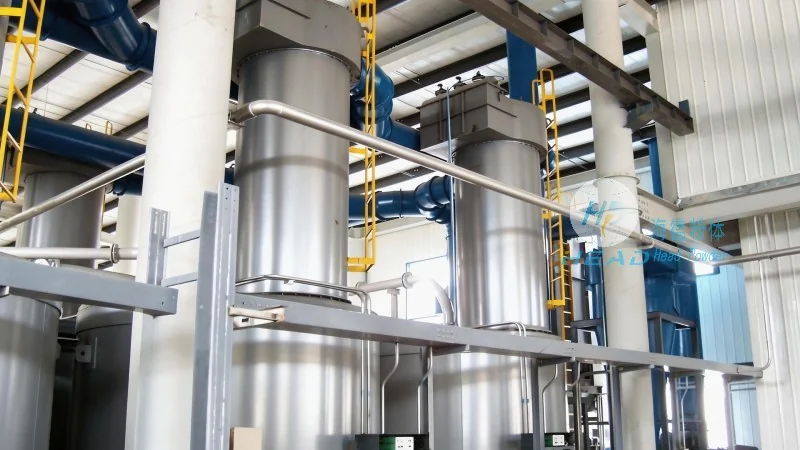
The dry sand powder pneumatic conveying system operates on the principle of using air as a medium to transport particulate materials. Unlike traditional mechanical conveying methods, which rely on belts, buckets, or screws, pneumatic systems utilize pressurized or vacuum air to move materials through pipelines. This method is particularly effective for dry sand and powders, as it minimizes material degradation, reduces contamination risks, and enables precise control over flow rates and material distribution. The system typically consists of a hopper for material storage, a conveying line, and a discharge point, with air being introduced through a blower or vacuum pump to create the necessary pressure differential. The design ensures that the material is suspended in the air stream, allowing for smooth and continuous transport over long distances.
Key Working Scene Characteristics and Applications
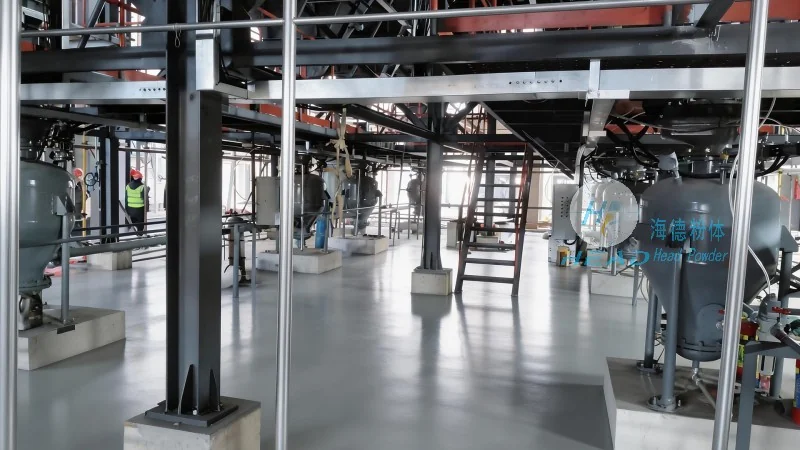
Dry sand powder pneumatic conveying systems are widely utilized across diverse industrial sectors due to their adaptability and efficiency. In construction and mining industries, these systems are essential for transporting sand, cement, and other bulk materials from storage sites to processing plants or construction sites. The ability to handle abrasive materials like dry sand without causing wear and tear on equipment makes them ideal for these applications. In pharmaceutical and food processing industries, the systems are adapted to meet stringent hygiene and contamination control standards, ensuring that powders are transported in a clean and controlled environment. Additionally, in chemical and petrochemical sectors, the systems are used to convey various powders and granules, supporting processes such as mixing, blending, and packaging. The working scene characteristics include high material throughput, low maintenance requirements, and the capacity to handle materials with varying particle sizes and densities, making them versatile for different industrial needs.
Company Overview: HeadPowder Engineering
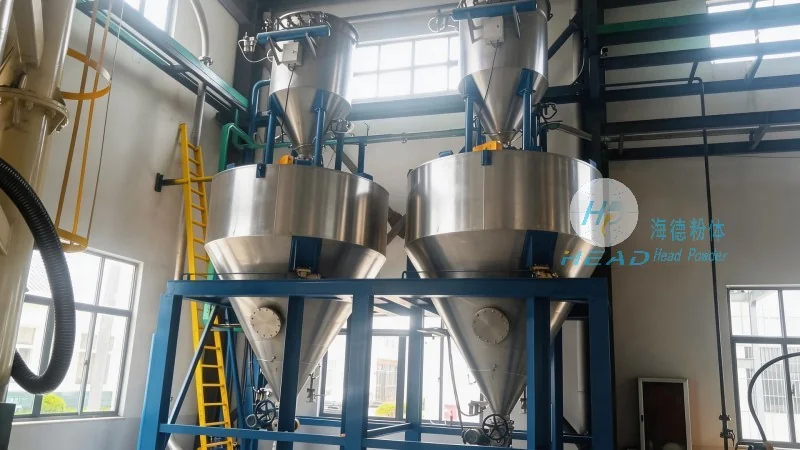
HeadPowder, or Shandong HeadPowder Engineering Co., Ltd., is a leading provider of advanced material handling solutions, specializing in the design, manufacturing, and implementation of pneumatic conveying systems. With operations based in Shandong, China, the company leverages years of industry experience to deliver customized solutions tailored to the specific requirements of clients. HeadPowder's expertise lies in understanding the unique challenges of handling dry sand and powders, and developing systems that optimize efficiency, reduce operational costs, and enhance safety. The company's commitment to quality and innovation has established it as a trusted partner in the material handling industry, serving a wide range of clients across various sectors.
Conclusion: The Advantages of Dry Sand Powder Pneumatic Conveying Systems
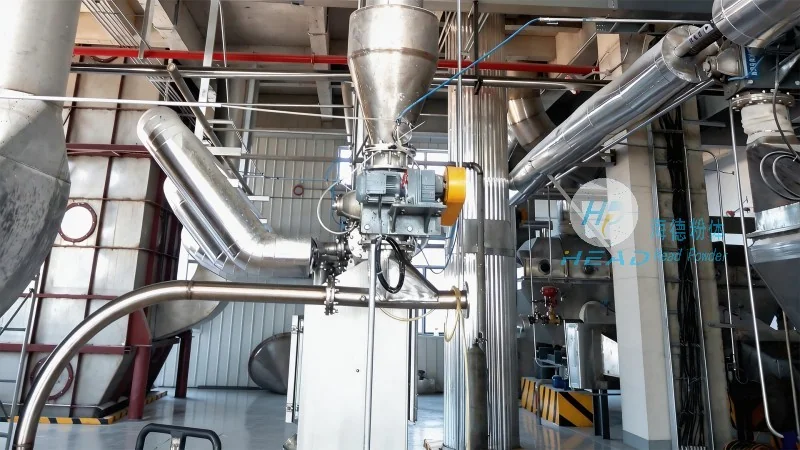
In conclusion, dry sand powder pneumatic conveying systems represent a sophisticated and efficient approach to material handling. By leveraging the principles of pneumatic transport, these systems offer numerous advantages, including reduced material degradation, improved safety, and enhanced operational flexibility. The working scene characteristics, such as adaptability to different materials and environments, make them a preferred choice for industries that require reliable and cost-effective material transport solutions. As industrial demands continue to evolve, the importance of efficient material handling systems like these will only grow, ensuring their continued relevance in modern industrial operations.