HeadPowder, a leading provider in the field of material handling solutions, specializes in advanced pneumatic conveying technologies. This company is Shandong HeadPowder Engineering Co., Ltd., located in Shandong, China. The article delves into the concept of dilute phase pneumatic conveying systems and explores the fundamental design principles that underpin their operation. By understanding these principles, users can better appreciate the efficiency and versatility of this technology in various industrial applications.
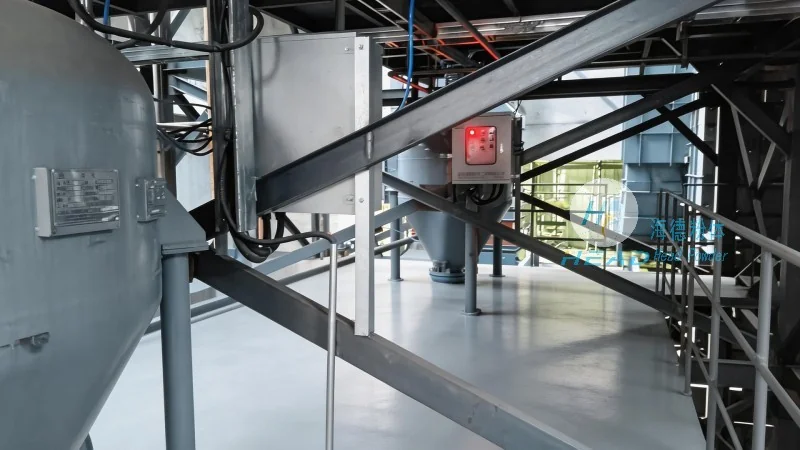
Introduction to Dilute Phase Pneumatic Conveying Systems
A dilute phase pneumatic conveying system is a method of transporting bulk materials through a pipeline using a carrier gas, typically air. Unlike dense phase systems, where material is conveyed in a more compacted form, dilute phase systems operate with a lower concentration of material in the gas stream. This approach is particularly effective for long-distance and high-speed material transport, making it suitable for a wide range of industries including food processing, pharmaceuticals, and chemical manufacturing.
Key Components of a Dilute Phase System
The core components of a dilute phase pneumatic conveying system include a material feed hopper, a conveying pipeline, a gas source (usually a blower or compressor), and a discharge device. The material feed hopper ensures a consistent supply of material into the system, while the conveying pipeline transports the material and gas mixture. The gas source provides the necessary pressure and flow rate to move the material through the pipeline. The discharge device, such as a rotary valve or a filter, collects the material at the end of the pipeline.
Design Principles for Efficient Operation
The design of a dilute phase pneumatic conveying system is critical to its performance and efficiency. Several key principles guide the engineering of these systems:
First, the velocity of the gas must be sufficient to prevent material settling in the pipeline. The minimum conveying velocity is determined by the material's properties, such as particle size, density, and shape. If the gas velocity is too low, the material will settle and cause blockages. Conversely, if the velocity is too high, excessive wear on the pipeline and equipment may occur.
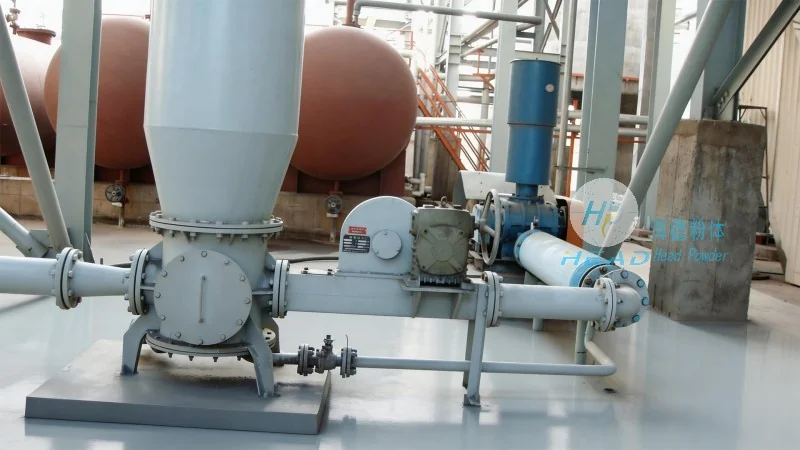
Second, the system's pressure drop must be managed to ensure optimal energy efficiency. The pressure drop is influenced by factors like pipeline length, diameter, and the number of bends or fittings. Engineers must calculate the pressure drop accurately to select the appropriate gas source and ensure the system operates within its design limits.
Third, the system's capacity must be matched to the material flow rate requirements. The capacity is determined by the gas flow rate, material feed rate, and the system's pressure. Overloading the system can lead to reduced efficiency and increased wear, while underloading may result in insufficient material transport.
Advantages of Dilute Phase Pneumatic Conveying
Dilute phase pneumatic conveying systems offer several advantages over other material handling methods. These include:
1. Non-Contact Handling: The material is conveyed without direct contact with the pipeline, minimizing contamination and preserving product integrity. This is particularly important for food and pharmaceutical applications where hygiene is paramount.
2. Flexibility in Layout: The system can be easily reconfigured to accommodate changes in production processes or facility layout. The flexible pipeline design allows for multiple discharge points and complex routing.
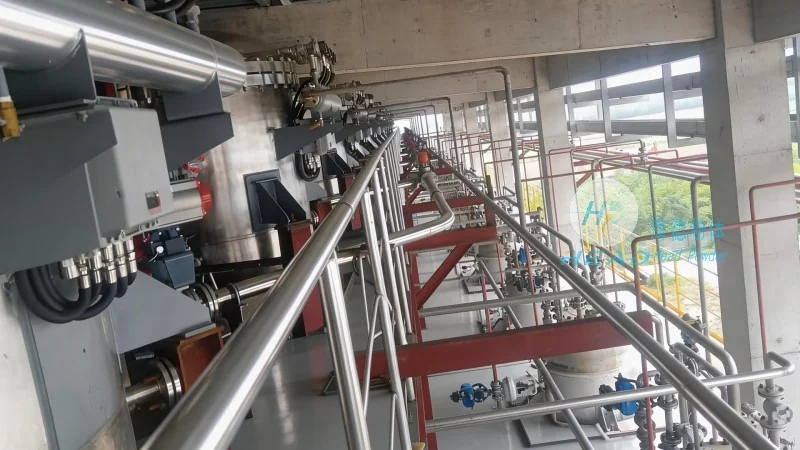
3. Reduced Maintenance: Compared to mechanical conveying systems, pneumatic systems have fewer moving parts, leading to lower maintenance costs and longer equipment life.
4. Energy Efficiency: Modern dilute phase systems are designed to operate with high efficiency, using less energy per unit of material transported compared to traditional methods.
Applications in Industrial Settings
Dilute phase pneumatic conveying systems are widely used in various industrial sectors due to their adaptability and efficiency. In the food industry, they are used to transport powders like flour, sugar, and spices, ensuring hygienic and contamination-free handling. In the pharmaceutical industry, they are employed to convey active ingredients and other powders, maintaining strict quality control standards. In chemical manufacturing, they are used to transport raw materials and intermediates, supporting continuous production processes.
Conclusion
Understanding the principles of dilute phase pneumatic conveying systems is essential for selecting the right material handling solution for specific industrial needs. The design and operation of these systems require careful consideration of material properties, system layout, and performance requirements. With proper engineering and maintenance, dilute phase systems can provide reliable, efficient, and cost-effective material transport solutions. HeadPowder, with its expertise in pneumatic conveying technologies, offers tailored solutions to meet the diverse needs of its clients, ensuring optimal performance and longevity of the systems.




