

What is the Pneumatic Conveying of Lithium Battery Anode Materials? What Are the Design Principles?
Understanding the pneumatic conveying of lithium battery anode materials is crucial for optimizing the manufacturing processes in the battery industry. This technology involves transporting fine powders, such as those used in lithium battery anodes, through a pipeline using air or other gases. The efficiency and reliability of this system directly impact production quality and operational costs. In this article, we will explore the fundamental aspects of lithium battery anode material pneumatic conveying, including its design principles and practical applications.
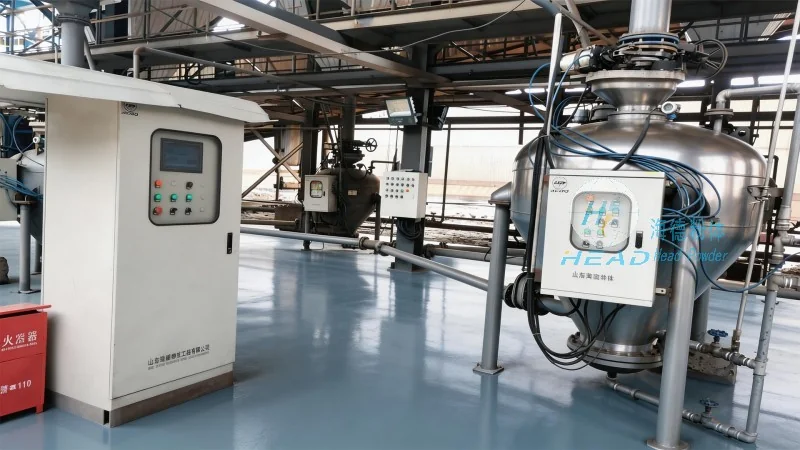
Introduction to Lithium Battery Anode Material Pneumatic Conveying
Lithium battery anode materials, typically composed of graphite, silicon, or other high-purity compounds, are critical components in modern battery technology. These materials are often in the form of fine powders that require precise handling to maintain their properties. Pneumatic conveying offers a non-contact, dust-free method to transport these powders from storage silos to processing equipment, such as mixers, extruders, or coating machines. This approach not only ensures product integrity but also enhances workplace safety by eliminating the need for manual handling of potentially hazardous powders.
Key Components and Working Principle of Pneumatic Conveying Systems
A typical pneumatic conveying system for lithium battery anode materials consists of several key components. The primary elements include a hopper or feeder to control the material flow, a pipeline network to transport the material, a separation unit to collect the material at the destination, and a blower or compressor to generate the air flow. The working principle is based on the creation of a pressure differential within the system. When the blower operates, it draws air into the pipeline and forces it through the material, suspending the powder particles in the air stream. The material is then carried through the pipeline to the receiving hopper or processing equipment. The separation unit, often a cyclone or a bag filter, removes the material from the air stream and returns it to the process.
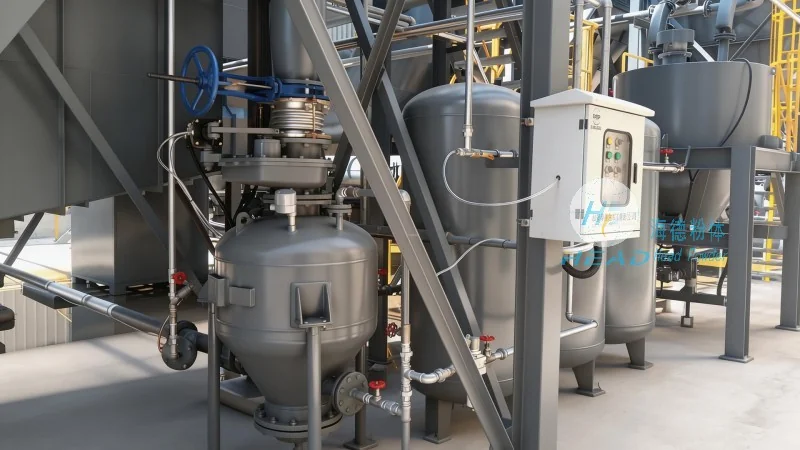
Design Principles for Pneumatic Conveying Systems
The design of a pneumatic conveying system for lithium battery anode materials must consider several factors to ensure optimal performance. First, the material's physical properties, such as particle size, density, and moisture content, are critical. These characteristics affect the air velocity required to suspend the particles and the pressure drop along the pipeline. For example, finer particles may require higher air velocities to maintain suspension, while larger particles might need higher pressure to overcome friction. Second, the system's capacity and flow rate must be matched to the production requirements. Overloading the system can lead to blockages or reduced efficiency, while underutilizing it may result in higher energy consumption. Third, the material's chemical properties, such as reactivity or dust explosion risk, must be addressed through appropriate safety measures, including explosion-proof designs and dust collection systems.
Advantages of Using Pneumatic Conveying for Lithium Battery Anode Materials
Pneumatic conveying offers several advantages when handling lithium battery anode materials. One of the most significant benefits is the ability to transport materials in a dust-free environment, which is essential for maintaining product purity and preventing contamination. This is particularly important for high-purity anode materials, where even trace impurities can affect battery performance. Additionally, pneumatic conveying systems are highly flexible, allowing for changes in material flow rates and destinations without major modifications to the infrastructure. The non-contact nature of the process also reduces wear and tear on equipment, extending the lifespan of components like pipelines and valves. Furthermore, these systems can be integrated with other production processes, such as mixing or coating, to create a seamless workflow, improving overall production efficiency.
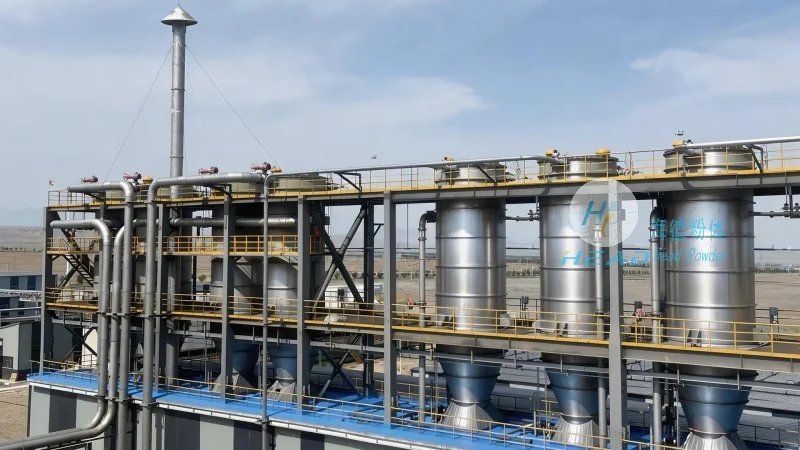
Application Scenarios in Lithium Battery Manufacturing
Pneumatic conveying is widely used in various stages of lithium battery manufacturing. In the raw material handling stage, it is used to transport anode powders from storage silos to the production line. During the mixing stage, it can be employed to add specific additives or conductive agents to the anode slurry. In the coating and drying stages, pneumatic conveying may be used to transport the coated electrodes to the drying ovens. The versatility of pneumatic conveying makes it suitable for both batch and continuous production processes, adapting to the varying demands of different manufacturing stages. For instance, in a continuous production line, the system can maintain a steady flow of anode materials, ensuring consistent product quality and reducing downtime.
Technical Considerations and Best Practices
Implementing an effective pneumatic conveying system for lithium battery anode materials requires careful consideration of technical aspects and adherence to best practices. One key consideration is the selection of appropriate pipeline materials. Materials like stainless steel or special alloys are often used to prevent corrosion and wear from the abrasive anode powders. The pipeline diameter and length must be optimized to minimize pressure drop and energy consumption. For long-distance or high-capacity systems, a combination of positive and negative pressure zones may be used to improve efficiency. Regular maintenance is also essential to ensure system reliability. This includes cleaning the pipelines and separation units to prevent material buildup, inspecting the blower and motor for wear, and monitoring the system's performance parameters, such as pressure and flow rate. By following these best practices, manufacturers can maximize the efficiency and longevity of their pneumatic conveying systems, ensuring consistent and high-quality production of lithium battery anode materials.