Understanding the principles and design of PVC resin powder pneumatic conveying is crucial for industries that rely on efficient material handling. This article delves into the mechanisms, advantages, and key considerations for implementing such systems, with a focus on the expertise of Shandong HeadPowder Engineering Co., Ltd., a leading provider in the field.
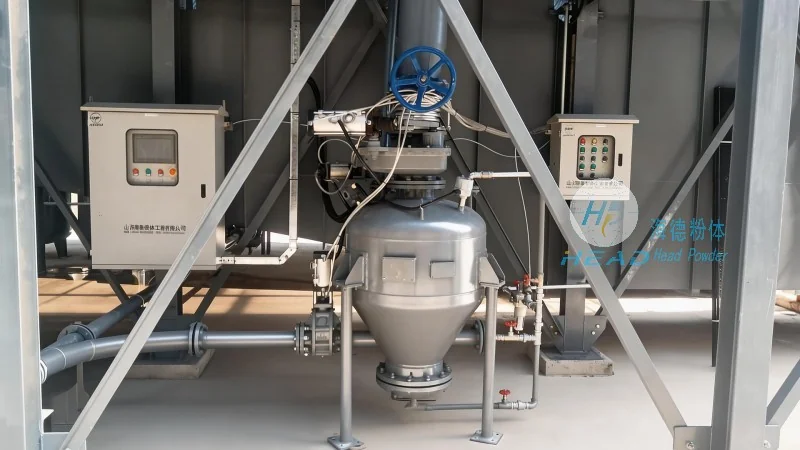
Pneumatic Conveying Basics: What It Is and How It Works
Pneumatic conveying is a method of transporting bulk materials, such as PVC resin powders, using a stream of pressurized air or vacuum. Unlike traditional mechanical systems like conveyor belts or screw conveyors, pneumatic systems rely on air flow to move particles through pipes. The process typically involves a hopper where the material is stored, a feeder that controls the flow rate, and a conveying line that transports the material to the destination. The air flow can be generated by positive pressure (where air is forced into the system) or negative pressure (where air is drawn out, creating a vacuum). For PVC resin powders, which are often fine and can be prone to dusting, pneumatic conveying offers a dust-free and efficient solution.
Key Components of a PVC Resin Powder Pneumatic Conveying System
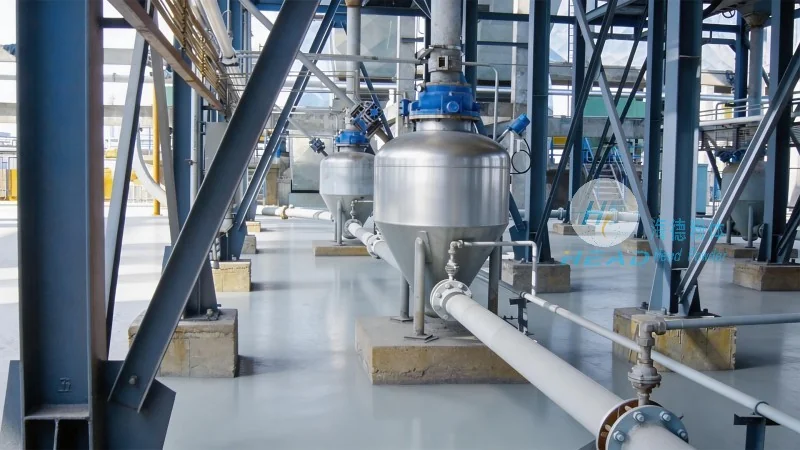
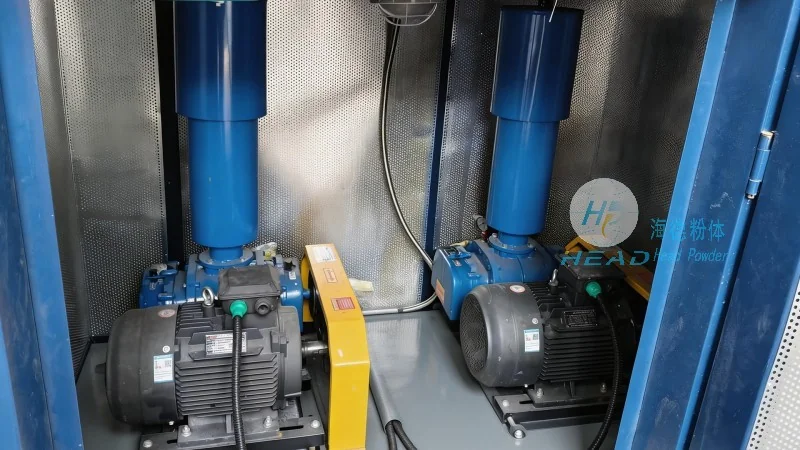
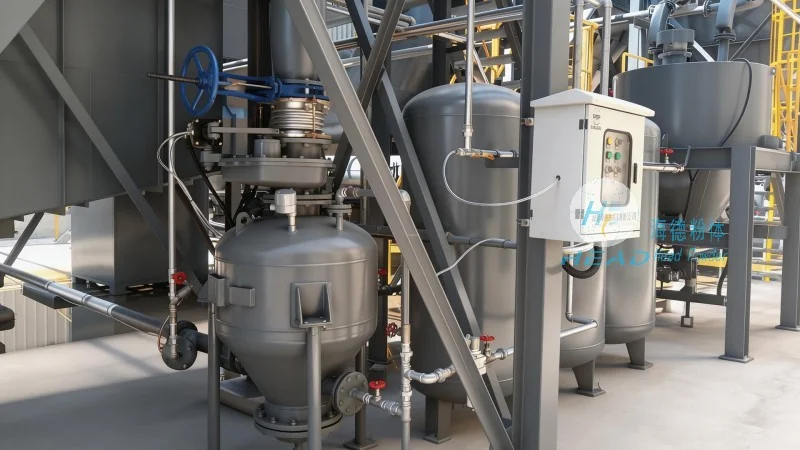
A well-designed PVC resin powder pneumatic conveying system consists of several critical components that work in harmony to ensure reliable operation. The primary components include the material hopper, which holds the PVC resin powder and provides a controlled feed; the feeder, which regulates the flow of material into the conveying line, often using a rotary valve or a screw feeder to maintain consistent flow rates; the conveying line itself, which can be made of stainless steel or other corrosion-resistant materials to handle the abrasive nature of PVC powders; and the air mover, which provides the necessary pressure or vacuum to transport the material. Additionally, the system may include filters and cyclones to separate the material from the air stream, ensuring that the air is clean and the material is delivered without contamination. The design of each component is tailored to the specific characteristics of PVC resin powders, such as particle size, density, and moisture content, to optimize performance and minimize system downtime.
Design Principles for Efficient PVC Resin Powder Pneumatic Conveying
The design of a PVC resin powder pneumatic conveying system follows several fundamental principles aimed at maximizing efficiency, minimizing energy consumption, and ensuring long-term reliability. One of the key principles is the selection of the appropriate air velocity. The air velocity must be high enough to keep the particles suspended in the air stream but not so high that it causes excessive wear on the system components or leads to excessive energy consumption. For PVC resin powders, typical air velocities range from 20 to 30 meters per second in positive pressure systems and 10 to 15 meters per second in negative pressure systems. Another critical principle is the proper sizing of the conveying line. The diameter of the pipe is determined by the flow rate of the material and the air velocity, and it must be large enough to prevent clogging and ensure smooth flow. The system also needs to account for the pressure drop across the components, which affects the overall energy requirements. Proper sizing of the air mover, such as a blower or a vacuum pump, is essential to maintain the required pressure or vacuum throughout the system. Furthermore, the system design must consider the potential for material buildup or blockages, especially in areas where the air velocity decreases, such as bends or expansions. To mitigate this, designers may incorporate features like pulse jets or air knives to keep the lines clear and prevent clogs.
Advantages of Using Pneumatic Conveying for PVC Resin Powders
Pneumatic conveying offers several advantages over traditional material handling methods for PVC resin powders. One of the most significant benefits is the ability to transport materials in a dust-free environment, which is crucial for maintaining a clean and safe workplace. Unlike mechanical systems that can generate dust and cause respiratory issues, pneumatic systems keep the material contained within the pipes, reducing the risk of exposure. Another advantage is the flexibility of the system, as it can be easily adapted to different production layouts and can transport materials over long distances without the need for multiple transfer points. Pneumatic conveying also allows for the integration of multiple material sources or destinations, making it suitable for complex manufacturing processes. Additionally, the system can be automated, with sensors and controls that monitor the flow rate and pressure, ensuring consistent performance and reducing the need for manual intervention. For industries dealing with PVC resin powders, these advantages translate into improved productivity, reduced maintenance costs, and enhanced safety.
Considerations for Implementing a PVC Resin Powder Pneumatic Conveying System
Implementing a PVC resin powder pneumatic conveying system requires careful consideration of several factors to ensure optimal performance and longevity. First, the material characteristics of the PVC resin powder must be thoroughly understood. Factors such as particle size distribution, density, moisture content, and abrasiveness will influence the system design. For example, finer particles may require higher air velocities to maintain suspension, while more abrasive materials may necessitate the use of corrosion-resistant materials for the conveying line. Second, the system must be designed to handle the specific operational requirements of the plant, including the required flow rate, distance of transport, and number of transfer points. The system should also be scalable, allowing for future expansion as production needs change. Third, the energy efficiency of the system is a critical consideration, as pneumatic conveying can be energy-intensive. Designers should aim to minimize pressure drop and optimize the air mover selection to reduce energy consumption. Fourth, maintenance and reliability are key factors. The system should be designed with easy access to components for maintenance, and regular cleaning and inspection should be part of the maintenance schedule to prevent clogs and ensure consistent performance. Finally, the cost of the system, including initial investment and ongoing maintenance, must be considered in relation to the benefits it provides. By carefully addressing these considerations, industries can implement a pneumatic conveying system that meets their specific needs and delivers long-term value.
Conclusion: The Role of Shandong HeadPowder Engineering Co., Ltd. in PVC Resin Powder Pneumatic Conveying
As a leading provider of engineering solutions for material handling, Shandong HeadPowder Engineering Co., Ltd. plays a vital role in the design and implementation of PVC resin powder pneumatic conveying systems. With a deep understanding of the principles and components involved, the company offers customized solutions tailored to the unique requirements of each client. By adhering to the fundamental design principles outlined in this article, Shandong HeadPowder ensures that its systems are efficient, reliable, and safe, providing industries with a cost-effective and sustainable solution for transporting PVC resin powders. The company's expertise in the field, combined with its commitment to quality and customer satisfaction, makes it a trusted partner for businesses seeking to optimize their material handling processes. Whether for new installations or system upgrades, Shandong HeadPowder Engineering Co., Ltd. is dedicated to delivering innovative and effective pneumatic conveying solutions that meet the evolving needs of the industry.




