

What is Petroleum Coke Powder Pneumatic Conveying? And What Are Its Design Principles?
Understanding the fundamentals of petroleum coke powder pneumatic conveying is crucial for industries dealing with bulk material handling. This process involves transporting fine petroleum coke particles through a pipeline using a gas stream, typically air or other gases. The technology is widely used in various sectors, including petrochemical and steel manufacturing, due to its efficiency and ability to handle abrasive materials like petroleum coke.
Pneumatic Conveying Basics: How It Works
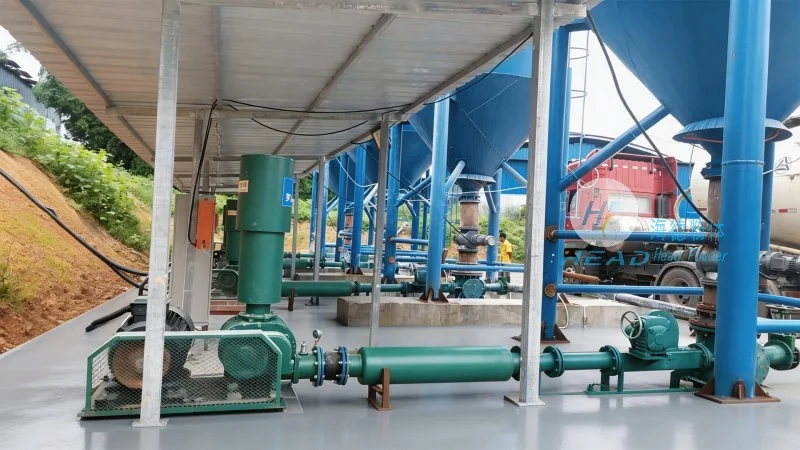
Pneumatic conveying systems operate by creating a pressure differential that propels the material through the pipeline. There are two primary types: pressure and vacuum systems. Pressure systems use a positive pressure at the inlet to push the material, while vacuum systems create a negative pressure at the outlet to draw the material in. The choice between these systems depends on factors such as material characteristics, distance, and system layout. For petroleum coke powder, which is often fine and abrasive, pressure systems are commonly preferred as they can handle higher material loads and provide better control over flow rates.
Design Principles for Petroleum Coke Powder Pneumatic Conveying Systems
The design of a pneumatic conveying system for petroleum coke powder requires careful consideration of several key principles to ensure optimal performance and longevity. First, the system must be capable of handling the specific properties of petroleum coke, including its particle size distribution, density, and abrasiveness. These characteristics directly impact the selection of equipment such as pumps, valves, and pipeline materials. For instance, the pipeline material needs to be robust enough to withstand the abrasive nature of petroleum coke, often requiring materials like stainless steel or high-grade alloys to prevent wear and tear.
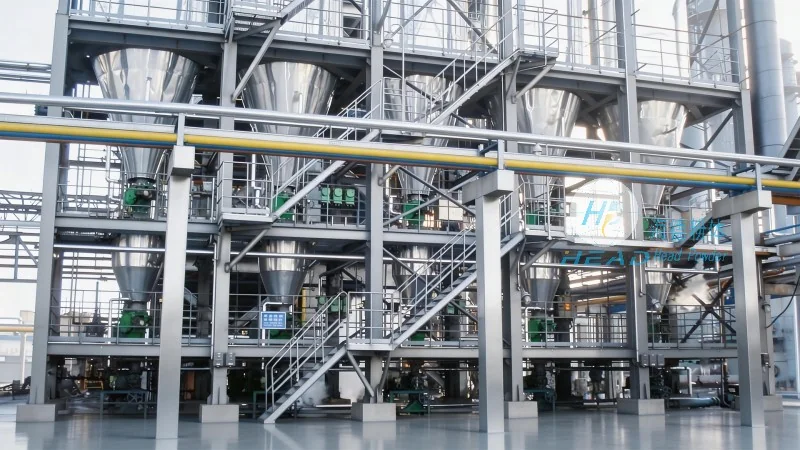
Second, the system design must address the challenges of material segregation and agglomeration. Petroleum coke powder can tend to segregate during transport, leading to uneven distribution of particles. To mitigate this, designers incorporate features like mixers and agitators within the system to maintain a uniform particle size and prevent clumping. Additionally, the system's velocity and pressure must be optimized to ensure that the material remains in suspension without causing excessive wear on components.
Key Components and Their Roles in the System
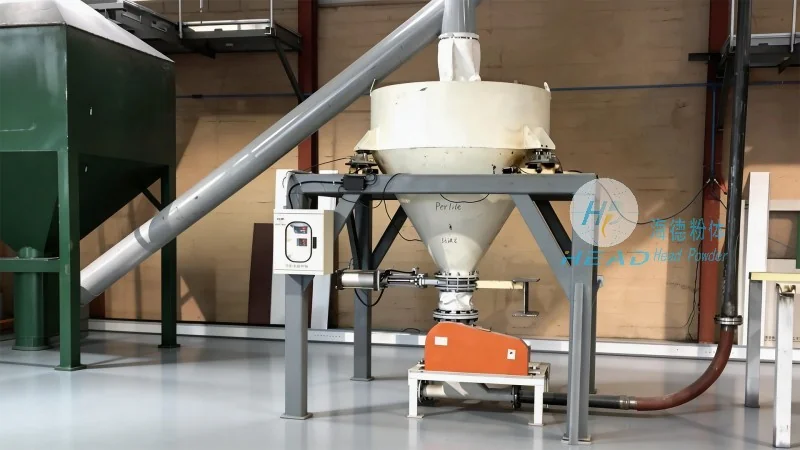
Several critical components make up a petroleum coke powder pneumatic conveying system. The feed hopper is responsible for storing and feeding the material into the system, ensuring a consistent flow rate. The conveyor itself, which can be either a positive displacement blower or a rotary lobe pump, generates the necessary pressure or vacuum to move the material. The pipeline network connects the various components and must be designed with appropriate diameter and length to minimize pressure drop and energy consumption. At the discharge end, a receiver or silo collects the material, and often, a dust collection system is integrated to control emissions and maintain environmental compliance.
Engineering Considerations for System Efficiency and Reliability
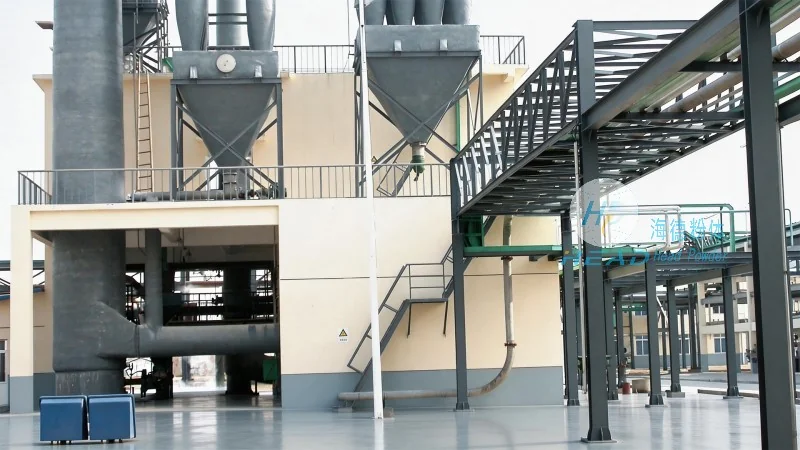
Efficiency and reliability are paramount in pneumatic conveying systems for petroleum coke powder. Engineers must consider factors such as energy consumption, which directly impacts operational costs. By optimizing the system's pressure and velocity, energy usage can be reduced while maintaining effective material transport. Additionally, regular maintenance is essential to prevent component failure. This includes monitoring for wear on pipeline and equipment parts, checking for leaks, and ensuring that the system's controls are functioning correctly. Proper maintenance not only extends the lifespan of the equipment but also ensures consistent performance, reducing downtime and increasing overall productivity.
Applications and Industry Impact
Petroleum coke powder pneumatic conveying systems are integral to the processing of petroleum coke, which is a byproduct of the coking process used to produce petroleum products. The material is often used as a fuel in power plants or as a raw material in the production of carbon products. The efficiency of the conveying system directly affects the overall productivity of these processes. By ensuring that petroleum coke is transported reliably and without loss, the downstream processes can operate more smoothly, leading to higher yields and reduced waste. Furthermore, the technology helps in maintaining a safe working environment by containing dust and preventing the release of harmful particles into the air.
About Shandong HeadPowder Engineering Co., Ltd.
Shandong HeadPowder Engineering Co., Ltd., operating under the brand name headpowder, is a leading provider of engineering solutions for bulk material handling systems. With a focus on pneumatic conveying technologies, the company specializes in designing and manufacturing systems tailored to the unique needs of industries dealing with abrasive and fine materials like petroleum coke. Headpowder's expertise lies in understanding the complex properties of materials and translating that knowledge into efficient, reliable systems. The company's commitment to quality and innovation has made it a trusted partner for businesses seeking to optimize their material handling processes. Based in Shandong, China, headpowder leverages local resources and expertise to deliver solutions that meet the highest standards of performance and durability.