

Classification and Composition of Light-Weight Micropowder Pneumatic Conveying Systems
Light-weight micropowder pneumatic conveying systems are widely used in industrial applications for the efficient transport of fine powders. These systems are designed to handle materials with low bulk density and high dustiness, making them essential in sectors such as pharmaceuticals, food processing, and chemical manufacturing. The classification and composition of these systems are critical for understanding their functionality and selecting the appropriate equipment for specific operational needs.
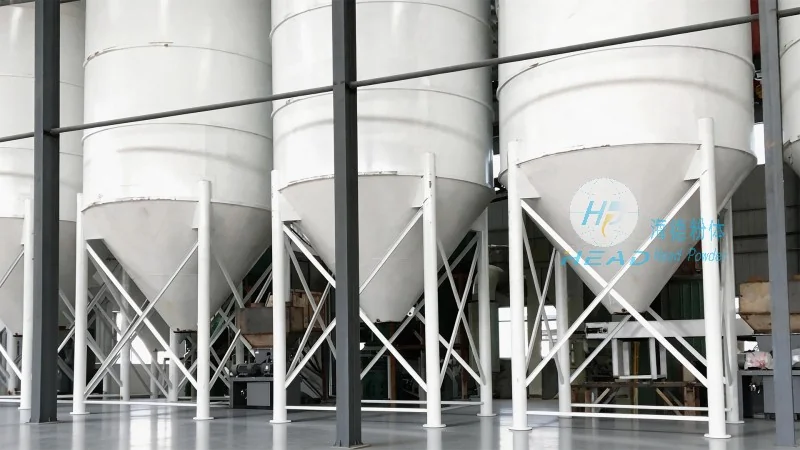
Types of Pneumatic Conveying Systems
There are primarily two types of pneumatic conveying systems: suction (or vacuum) systems and pressure systems. Each type has distinct characteristics and is suitable for different material handling scenarios.
Suction (Vacuum) Pneumatic Conveying Systems
Suction systems operate by creating a negative pressure at the inlet, drawing material from a source into the conveying line. This method is ideal for applications where the material is to be transported from a lower elevation or from a source that is difficult to access. The system typically includes a vacuum pump, a hopper for material storage, and a filter to capture any fine particles that may escape during the process. Suction systems are particularly effective for handling powders that are prone to caking or for transporting materials from multiple points to a central collection point.
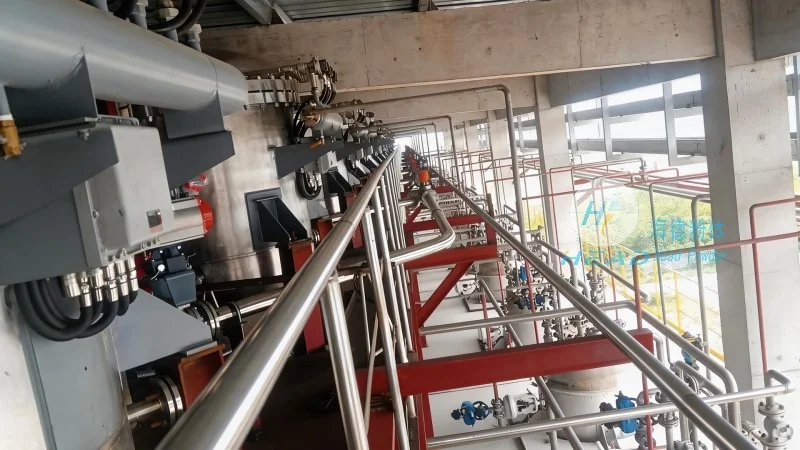
Pressure Pneumatic Conveying Systems
Pressure systems, on the other hand, use positive pressure to push material through the conveying line. These systems are commonly used when the material needs to be transported to a higher elevation or over longer distances. The pressure is generated by a blower or a compressor, which forces air and material through the pipeline. Pressure systems are often preferred for handling abrasive or corrosive materials, as they can maintain higher flow rates and reduce the risk of material degradation.
Key Components of a Light-Weight Micropowder Pneumatic Conveying System
The composition of a light-weight micropowder pneumatic conveying system involves several key components that work in tandem to ensure efficient material transport. These components include:
1. Material Feeding and Hopper
The feeding and hopper system is the starting point of the conveying process. It is responsible for storing the micropowder material and delivering it to the conveying line. The hopper is typically designed with a sloped bottom to facilitate material flow, and it may include a feeder such as a rotary valve or a vibratory feeder to control the rate of material discharge. The design of the hopper is crucial to prevent material bridging or clogging, which can lead to system inefficiencies. For light-weight powders, the hopper may be equipped with a pre-filter or a dust collection system to minimize the release of fine particles into the environment.
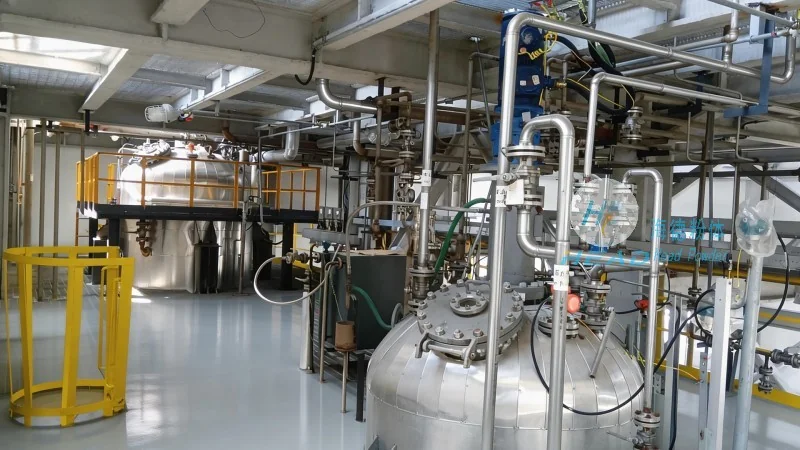
2. Conveying Line and Airflow Management
The conveying line is the main pathway for transporting the material. It is usually made of stainless steel or other corrosion-resistant materials to handle the abrasive nature of micropowders. The line diameter and length are carefully selected based on the material properties, such as particle size, density, and flowability. Airflow management is critical in pneumatic conveying systems, as it directly affects the conveying velocity and pressure drop. Proper air velocity must be maintained to prevent particle deposition and ensure smooth material transport. The system may include airlocks or check valves to prevent backflow and maintain the direction of material movement.
3. Separation and Collection Equipment
At the end of the conveying line, separation and collection equipment is used to separate the material from the air stream and collect it in a receiving container. This component is essential to prevent dust emissions and maintain environmental compliance. The separation process typically involves a cyclone separator or a bag filter, which uses centrifugal force or filtration to capture the fine particles. The collected material is then discharged into a storage bin or a processing unit. The design of the separation equipment must be optimized to handle the specific characteristics of the micropowder, such as particle size and moisture content, to ensure high efficiency and minimal loss.