PP powder conveying systems are specialized industrial equipment designed to handle and transport polypropylene (PP) powders efficiently and safely. These systems are crucial in various industries, including plastics manufacturing, chemical processing, and food processing, where the reliable movement of bulk powders is essential for production continuity and product quality. The design of such systems is tailored to address the unique challenges associated with PP powders, which can be abrasive, sticky, or prone to bridging and caking under certain conditions. For instance, in plastics manufacturing, PP powders are often used as raw materials for extrusion and molding processes, and the efficiency of the conveying system directly impacts the overall production rate and product consistency. Similarly, in chemical processing, the handling of PP powders may involve mixing with other chemicals, and the system must ensure that the powder is transferred without contamination or degradation.
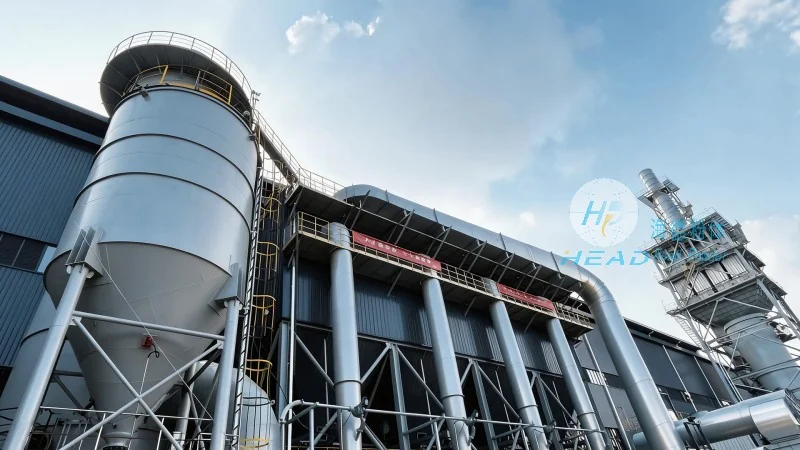
Key Components of PP Powder Conveying Systems
A typical PP powder conveying system consists of several interconnected components that work in harmony to ensure smooth operation. The primary components include a hopper or feeder to store and feed the powder, a conveyor mechanism (such as a screw conveyor, pneumatic conveyor, or belt conveyor) to transport the material, and control systems to regulate the flow and pressure. Additionally, the system may incorporate features like vibration devices to prevent caking, sealing mechanisms to maintain dust containment, and safety interlocks to protect operators from potential hazards. Each component is carefully selected and integrated to optimize the performance of the entire system, ensuring that PP powders are handled with precision and minimal risk of contamination or loss. For example, the hopper is often designed with a conical or wedge-shaped bottom to facilitate uniform discharge and prevent material buildup. The screw conveyor, a common choice for PP powders, uses rotating screws to push the material forward, with the pitch and diameter of the screws optimized to match the flow characteristics of the powder. The pneumatic conveyor, on the other hand, uses compressed air to transport the powder through a pipeline, which is particularly effective for long-distance or high-volume conveying. The control system typically includes sensors and valves that monitor and adjust the flow rate, pressure, and air volume to maintain stable operation.
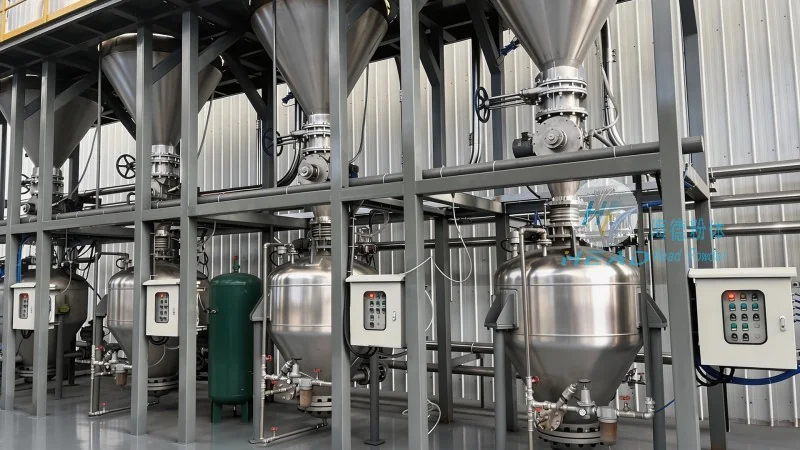
Design Principles for Efficient PP Powder Conveying
The design principles of PP powder conveying systems focus on maximizing efficiency, minimizing downtime, and ensuring safety. One of the key principles is the use of materials that are compatible with PP powders to prevent chemical reactions or contamination. Stainless steel, food-grade plastics, and other corrosion-resistant materials are commonly used for components that come into direct contact with the powder. Another critical principle is the prevention of caking and bridging, which can impede the flow of the material. This is achieved through the incorporation of vibration devices, agitators, or air knives that keep the powder in a free-flowing state. The system's design also considers the pressure drop across the conveying line, as excessive pressure can lead to increased energy consumption and potential equipment damage. By optimizing the size and shape of the conveying components, such as the screw pitch or tube diameter, engineers can achieve the desired flow rate while minimizing energy use. For instance, a larger screw pitch may be used for powders with higher flowability, while a smaller pitch is suitable for more cohesive powders. The tube diameter is also adjusted based on the bulk density and flow rate of the PP powder, ensuring that the material moves smoothly without excessive friction or blockages. Furthermore, the control systems are designed to provide real-time monitoring of key parameters, such as flow rate, pressure, and temperature, allowing operators to make adjustments promptly and maintain optimal performance. Advanced systems may even incorporate predictive maintenance algorithms that alert technicians to potential issues before they cause downtime, further enhancing operational reliability.
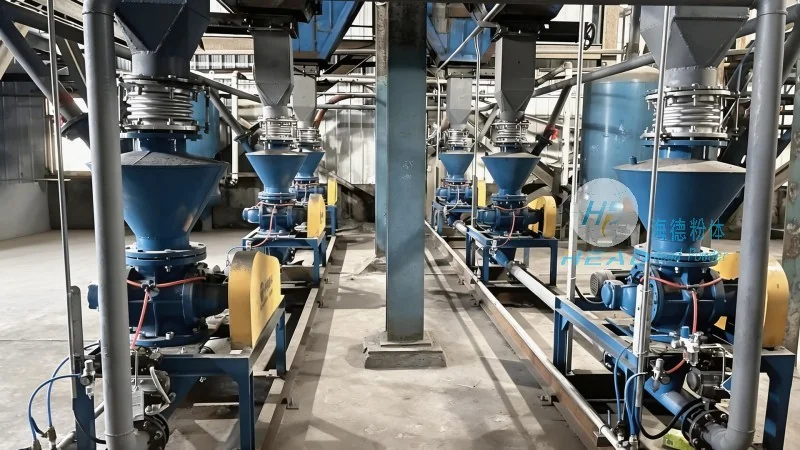
HeadPowder: A Leading Provider of PP Powder Conveying Solutions
Shandong HeadPowder Engineering Co., Ltd., commonly known as HeadPowder, is a reputable company based in China that specializes in the design, manufacturing, and supply of advanced PP powder conveying systems. With a strong commitment to quality and innovation, HeadPowder has established itself as a trusted partner for industries requiring reliable and efficient powder handling solutions. The company's headquarters is located in Shandong, China, where its team of experienced engineers and technicians work tirelessly to develop cutting-edge equipment that meets the evolving needs of its clients. HeadPowder's products are known for their durability, ease of maintenance, and compliance with international safety and environmental standards. The company's dedication to customer satisfaction is reflected in its comprehensive after-sales support, including technical assistance, spare parts availability, and regular maintenance services. By leveraging its expertise in powder technology and industrial engineering, HeadPowder continues to deliver high-performance PP powder conveying systems that enhance productivity and ensure the safety of operations in various industrial settings. For example, HeadPowder's systems have been successfully implemented in large-scale plastic manufacturing plants, where they have reduced material handling time by up to 30% and improved product quality by minimizing contamination. In the chemical processing industry, HeadPowder's conveying systems have enabled seamless integration of PP powders with other chemicals, leading to increased production efficiency and reduced waste. The company's commitment to sustainability is also evident in its design approach, which emphasizes energy efficiency and minimal environmental impact. By using advanced materials and optimizing system performance, HeadPowder's PP powder conveying systems contribute to the overall sustainability of industrial operations.




