

Principle and Application Characteristics of Sodium Carbonate Pneumatic Conveying Systems
When it comes to handling sodium carbonate, the choice of conveying system can significantly impact operational efficiency and safety. Pneumatic conveying systems, particularly those designed for bulk materials like sodium carbonate, offer a reliable solution that combines efficiency with minimal environmental impact. This article explores the fundamental principles behind such systems and highlights key application characteristics that make them suitable for various industrial settings.
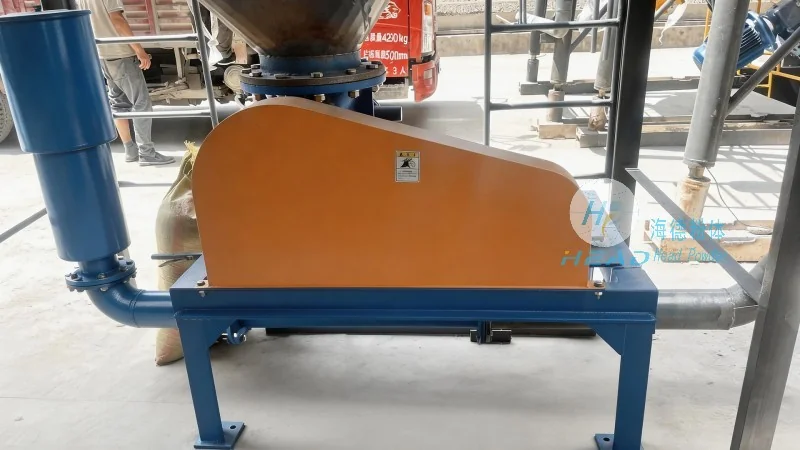
Principle of Pneumatic Conveying for Sodium Carbonate
The core principle of pneumatic conveying involves transporting bulk materials through a pipeline using air or other gas as the conveying medium. In the case of sodium carbonate, which is often handled in powder or granular form, this method eliminates the need for mechanical components like belts or buckets, reducing maintenance requirements and operational downtime. The system typically operates by creating a pressure differential within the pipeline, either through positive pressure (where air is blown into the material) or negative pressure (where air is drawn out, creating a vacuum). This differential ensures that the sodium carbonate particles are suspended and moved along the pipeline with the air flow. The design of the system, including the type of air nozzle, pipeline diameter, and air velocity, is critical to achieving optimal conveying efficiency and preventing material degradation or blockages.
Key Components and Their Functions
Several key components work in tandem to ensure the smooth operation of a sodium carbonate pneumatic conveying system. The feed hopper is responsible for storing and feeding the material into the system, ensuring a consistent flow rate. The air compressor or blower generates the necessary air pressure to move the material. The pipeline network connects the various components, with bends and fittings designed to minimize pressure loss and maintain material flow. The receiver or discharge hopper collects the conveyed material at the destination. Additionally, filters and cyclones are often incorporated to separate any entrained air from the material, preventing dust emissions and ensuring the material is delivered in a clean, dry state. These components are engineered to handle the specific properties of sodium carbonate, such as its particle size, density, and moisture content, to maximize system performance.
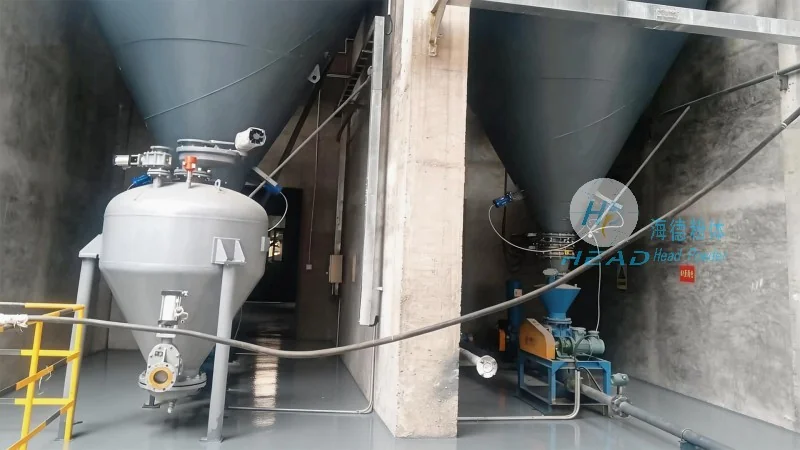
Application Characteristics and Operational Benefits
The application characteristics of sodium carbonate pneumatic conveying systems make them ideal for a range of industrial scenarios. One of the primary benefits is the ability to transport materials over long distances without the need for intermediate storage or handling. This is particularly advantageous in manufacturing facilities where sodium carbonate is used as an ingredient in processes like glass production, paper manufacturing, or chemical synthesis. The system also offers a high degree of flexibility, allowing for changes in material flow rates or destination points without major modifications. Another key characteristic is the reduced risk of contamination compared to mechanical systems, as the material is enclosed within the pipeline, minimizing exposure to external elements. Furthermore, the system can be integrated with other process equipment, such as mixers or reactors, to streamline production workflows. The operational benefits extend to energy efficiency, as the system can be optimized to use minimal air pressure, reducing energy consumption and operational costs over time.
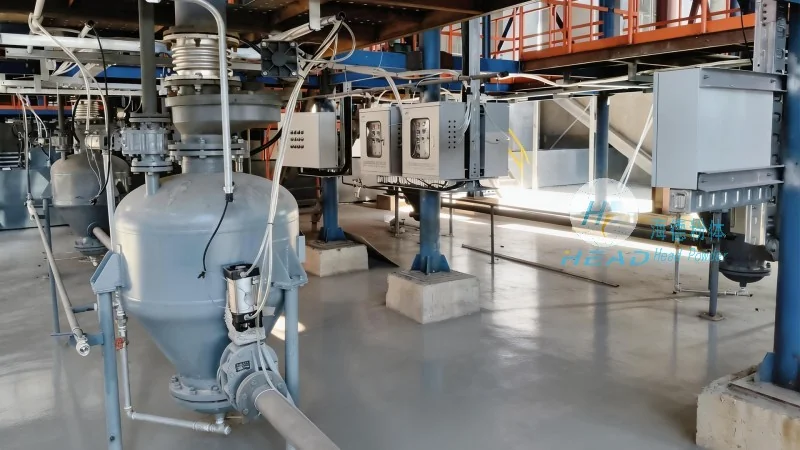
Case Study: Industrial Implementation by Shandong HeadPowder Engineering Co., Ltd.
Shandong HeadPowder Engineering Co., Ltd., a leading provider of material handling solutions, has successfully implemented pneumatic conveying systems for sodium carbonate in various industrial applications. For instance, in a glass manufacturing plant, the company designed a system that transports sodium carbonate from storage silos to the furnace, covering a distance of over 500 meters. The system was tailored to handle the high volume and specific particle characteristics of the material, ensuring consistent delivery and minimizing downtime. The implementation resulted in a 20% reduction in operational costs and a significant improvement in material handling efficiency. Another application involved a chemical processing facility where the system was used to transport sodium carbonate to a mixing tank, integrating seamlessly with the existing production line. The system's ability to handle varying flow rates and maintain material quality made it a preferred choice for the facility. These case studies demonstrate the practical advantages of pneumatic conveying systems for sodium carbonate, highlighting their adaptability and reliability in real-world industrial settings.
Conclusion and Future Considerations
In conclusion, pneumatic conveying systems for sodium carbonate offer a robust and efficient solution for material handling in various industrial applications. The principles of pressure differential and air suspension, combined with carefully designed components, ensure reliable operation and minimal maintenance. The application characteristics, including flexibility, contamination control, and energy efficiency, make these systems a valuable asset for manufacturers relying on sodium carbonate. As industrial processes continue to evolve, the demand for advanced material handling solutions will likely increase, and companies like Shandong HeadPowder Engineering Co., Ltd. will play a crucial role in providing tailored systems that meet specific operational needs. By leveraging the expertise in pneumatic conveying technology, these systems can continue to enhance productivity and safety in the handling of sodium carbonate, contributing to the overall efficiency of industrial operations.