

Principle and Application Scenarios of Quartz Sand Pneumatic Conveying Systems
Quartz sand, a widely used industrial material, often requires efficient and reliable transportation methods to meet production demands. Pneumatic conveying systems have emerged as a key solution for handling quartz sand, offering advantages such as dust-free operation, reduced material degradation, and flexible system design. This article explores the fundamental principles of quartz sand pneumatic conveying systems and highlights the specific characteristics of their application scenarios, providing insights into how these systems enhance operational efficiency in various industrial settings.
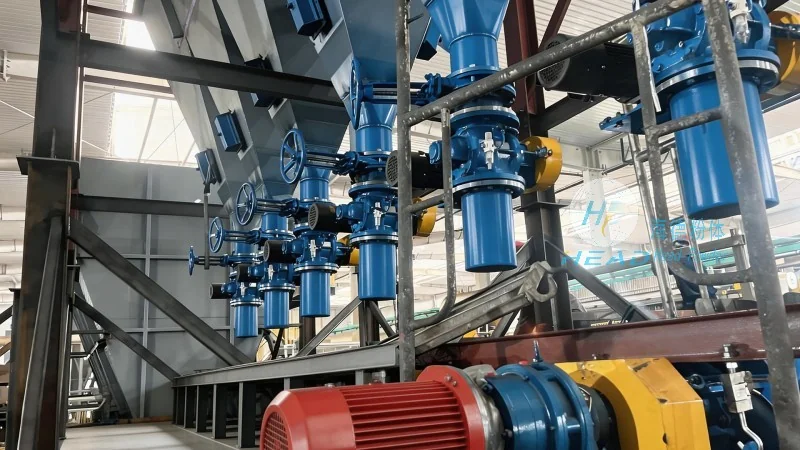
HeadPowder, a leading provider in the field, specializes in the design, manufacturing, and implementation of advanced pneumatic conveying solutions. With a strong presence in Shandong, China, the company leverages over a decade of industry experience to deliver customized systems tailored to the unique needs of clients. The company's commitment to quality and innovation ensures that each project is executed with precision, meeting or exceeding industry standards for performance and durability.
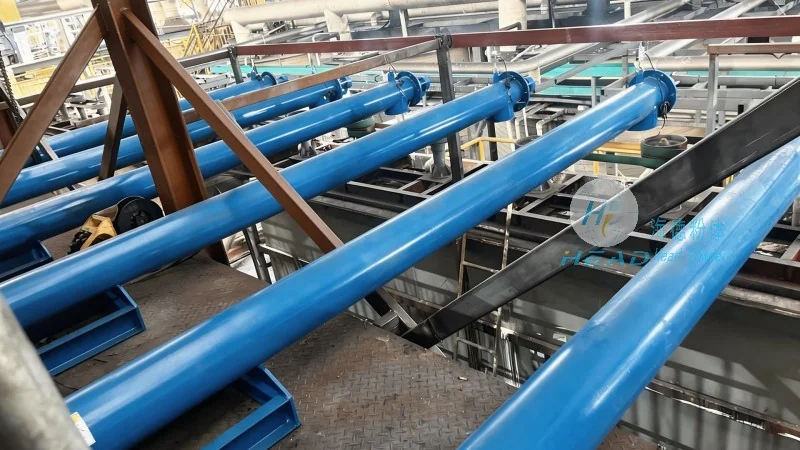
Principle of Pneumatic Conveying for Quartz Sand
The core principle of quartz sand pneumatic conveying systems involves the use of air to transport bulk materials through a pipeline network. The system typically consists of a material feed hopper, a conveyor line, and a discharge unit, all powered by a blower or compressor. As air is introduced into the system, it creates a low-pressure environment that draws the quartz sand particles into the pipeline. The air velocity is carefully controlled to ensure that the particles remain suspended and move smoothly through the system without settling or clogging. This method eliminates the need for mechanical components like belts or buckets, reducing maintenance requirements and minimizing the risk of material contamination.
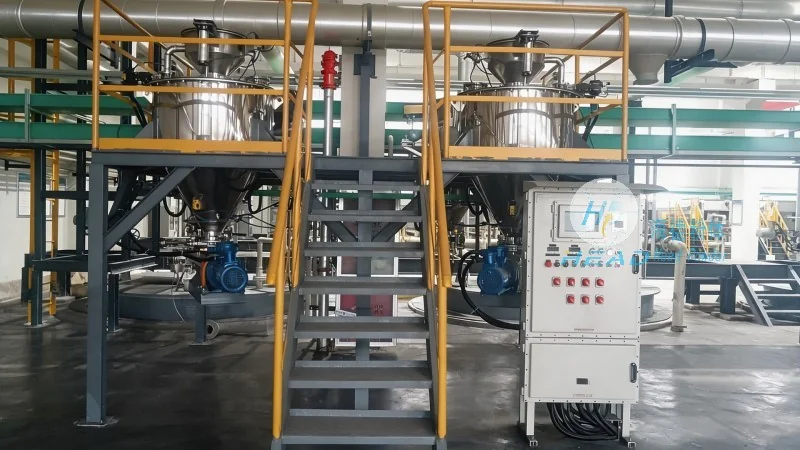
Key Characteristics of Application Scenarios
The application scenarios for quartz sand pneumatic conveying systems are diverse, adapting to various industrial processes and operational environments. One of the primary advantages is the ability to handle abrasive materials like quartz sand without causing wear and tear on system components. The systems are also designed for high throughput, capable of transporting large volumes of material over long distances with minimal energy consumption. Additionally, the dust-free operation is particularly beneficial in environments where air quality and worker safety are critical, such as in food processing or pharmaceutical industries. The flexibility of the system allows for easy integration with existing production lines, enabling seamless material transfer from storage to processing units.
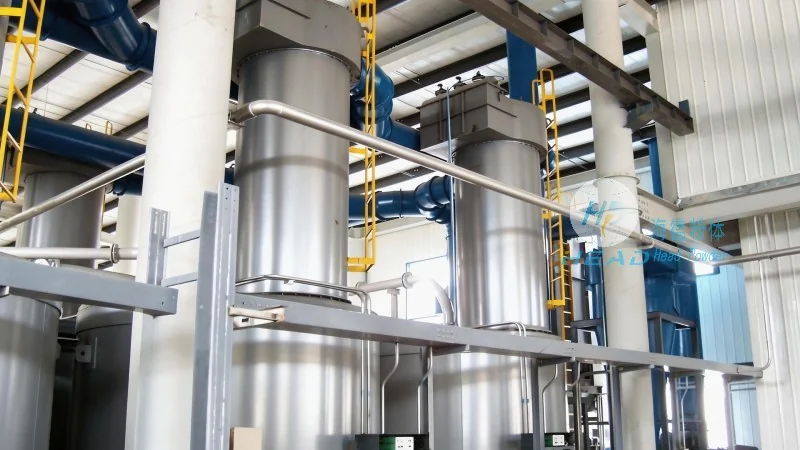
Advantages and Practical Considerations
When implementing a quartz sand pneumatic conveying system, several factors must be considered to optimize performance and longevity. The choice of air velocity and pressure is crucial, as it directly impacts the system's efficiency and the risk of material degradation. Proper system sizing, based on the specific characteristics of the quartz sand (such as particle size, density, and moisture content), ensures that the conveying line operates within optimal parameters. Regular maintenance, including cleaning of filters and checking for air leaks, is essential to prevent system downtime and maintain consistent performance. HeadPowder's expertise in system design and installation helps clients address these considerations effectively, providing long-term solutions that enhance productivity and reduce operational costs.