

What is a Precipitated Barium Sulfate Pneumatic Conveying System? What is its Design Principle?
For industrial applications that require the efficient and safe handling of precipitated barium sulfate, the pneumatic conveying system has emerged as a reliable solution. This technology offers a non-contact method for transporting bulk materials, which is particularly advantageous when dealing with materials that are sensitive to contamination or require a dust-free environment. The system's design is tailored to meet the specific demands of the barium sulfate industry, ensuring optimal performance and minimal operational disruptions.
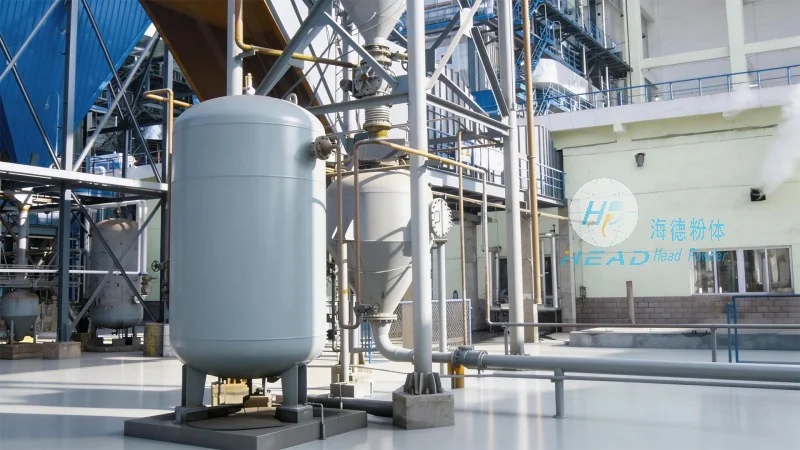
Understanding the Precipitated Barium Sulfate Pneumatic Conveying System
The precipitated barium sulfate pneumatic conveying system is a specialized piece of equipment designed to transport fine powders, such as precipitated barium sulfate, from one location to another within a processing facility. Unlike traditional mechanical conveyors, which rely on physical contact and moving parts, this system uses compressed air to create a flow of material through a pipeline. This pneumatic approach eliminates the need for direct handling, reducing the risk of product contamination and minimizing maintenance requirements.
Key Components and Their Functions
The effectiveness of the pneumatic conveying system for precipitated barium sulfate relies on several critical components. These include the air compressor, which generates the necessary pressure to move the material; the hopper or feeder, which stores and releases the barium sulfate powder in controlled quantities; the pipeline system, which transports the material from the source to the destination; and the receiver or silo, which collects the material at the end of the conveying line. Each component is engineered to work in harmony, ensuring a smooth and continuous flow of material throughout the process.
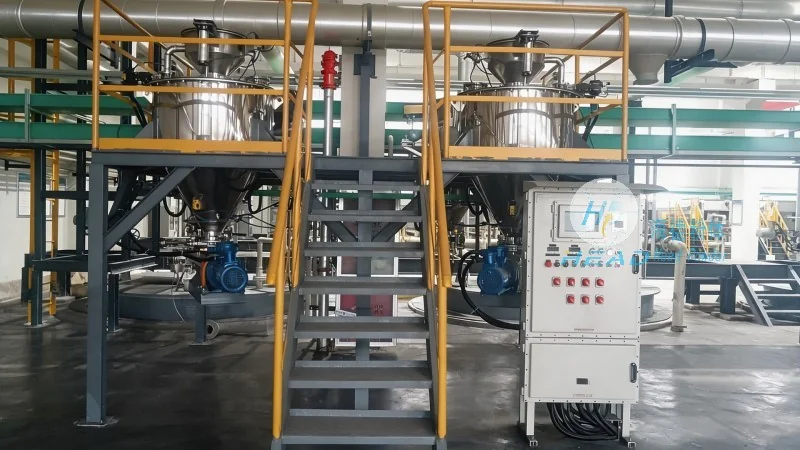
Design Principles and Operational Efficiency
The design of the precipitated barium sulfate pneumatic conveying system is based on fundamental principles of fluid dynamics and material handling. The system is typically configured as either a positive or negative pressure system, depending on the specific application requirements. In a positive pressure system, the air compressor pushes the material through the pipeline, while in a negative pressure system, the material is drawn into the pipeline by a vacuum created by a fan or ejector. The choice between these systems depends on factors such as the distance of the conveying line, the volume of material to be transported, and the need to minimize dust emissions.
Advantages of Using a Pneumatic Conveying System for Precipitated Barium Sulfate
Implementing a pneumatic conveying system for precipitated barium sulfate offers several key advantages. First, it provides a dust-free and hygienic environment, which is essential for maintaining product quality and compliance with industry standards. Second, the system reduces the risk of product contamination, as there is no direct contact between the material and the conveyor components. Third, it minimizes maintenance requirements compared to traditional mechanical conveyors, as there are fewer moving parts and less wear and tear. Fourth, the system can be easily integrated into existing processing facilities, allowing for seamless expansion or modification of the production line.
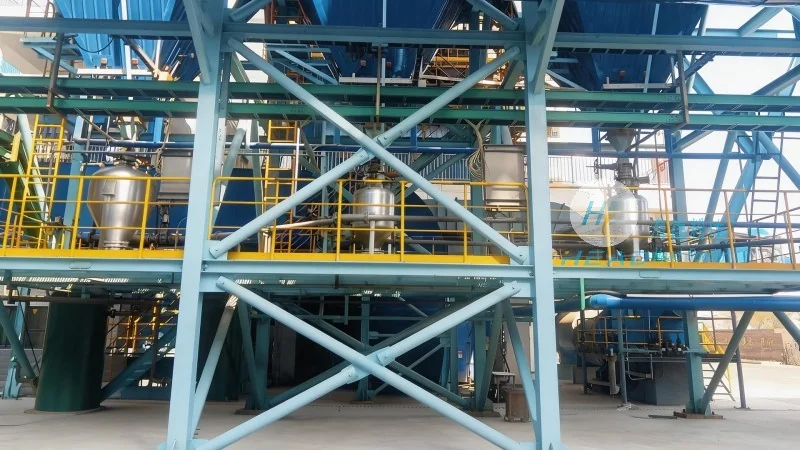
Customization and Scalability
Shandong HeadPowder Engineering Co., Ltd. understands that each industrial application has unique requirements. Therefore, the company offers customized pneumatic conveying systems tailored to the specific needs of its clients. Whether the application involves short or long-distance conveying, high or low material volumes, or specific environmental conditions, the system can be designed and manufactured to meet those requirements. The company's expertise in material handling and pneumatic technology allows for the development of scalable solutions that can grow with the client's business needs.
Conclusion and Company Overview
The precipitated barium sulfate pneumatic conveying system is a sophisticated and efficient solution for the industrial handling of fine powders. By leveraging the principles of pneumatic transport, this system provides a reliable, safe, and cost-effective method for moving barium sulfate from one point to another. Shandong HeadPowder Engineering Co., Ltd., with its headquarters in China, specializes in the design, manufacturing, and installation of such systems, ensuring that clients receive high-quality equipment that meets their operational and regulatory requirements. The company's commitment to innovation and customer satisfaction has made it a trusted partner in the barium sulfate processing industry.