

Principle and Working Scene Characteristics of Coke Particle Pneumatic Conveying Systems
HeadPowder, a leading engineering company based in Shandong, China, specializes in the design and implementation of advanced pneumatic conveying systems for industrial applications. This article delves into the fundamental principles of coke particle pneumatic conveying systems and explores the key characteristics of their operational environments, providing a comprehensive overview for professionals in the field.
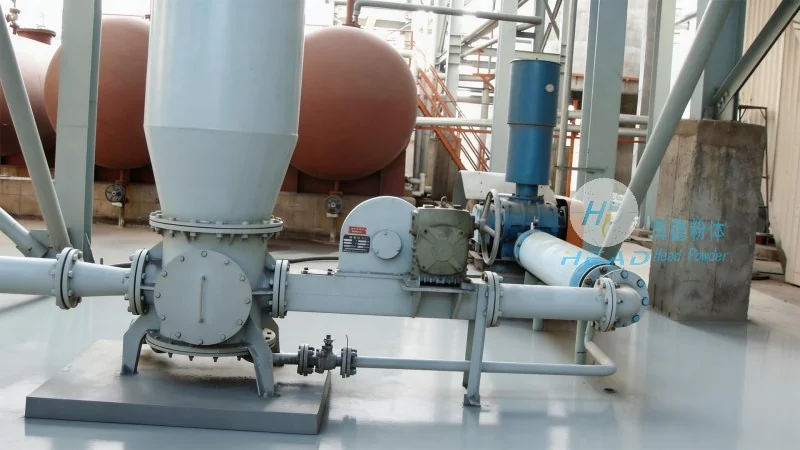
Principle of Pneumatic Conveying for Coke Particles
The core principle of coke particle pneumatic conveying involves the use of a gas stream, typically air or a mixture of air and other gases, to transport solid particles through a pipeline. In the case of coke particles, which are characterized by their high density and abrasive nature, the system must be engineered to handle these specific material properties effectively. The process typically begins with the material being fed into a hopper or feeder, where it is then drawn into a pipeline by the moving air stream. The air velocity is carefully controlled to ensure that the particles remain suspended and transported without clogging or excessive wear on the system components.
Key components of a coke particle pneumatic conveying system include the feeder, which regulates the flow of coke particles into the system; the pipeline, which serves as the transport medium; and the receiver, where the material is deposited. The system may also incorporate additional components such as cyclones, filters, and pressure vessels to manage dust, maintain air quality, and ensure efficient material handling. The design of these components is critical, as they must be able to withstand the abrasive and high-temperature conditions often associated with coke processing.
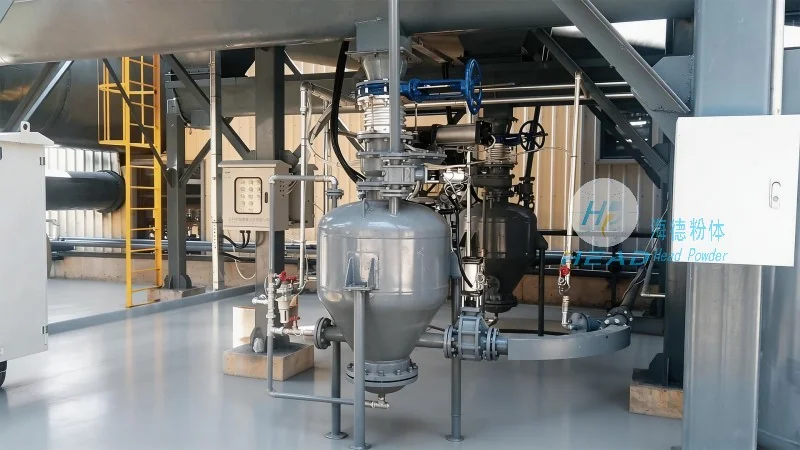
Working Scene Characteristics of Coke Particle Pneumatic Conveying
The operational environment of coke particle pneumatic conveying systems varies significantly depending on the specific industrial application. For example, in steel manufacturing facilities, these systems are commonly used to transport coke from storage silos to blast furnaces, where it serves as a key fuel and reducing agent. The working scene in such environments is characterized by high throughput requirements, often involving large volumes of coke particles being moved over considerable distances. The system must be capable of maintaining consistent flow rates and pressure levels to ensure uninterrupted operation of the blast furnace.
In other applications, such as in coke processing plants, the system may be used to transfer coke particles between different processing stages, such as from a screening and crushing unit to a blending or storage area. The working scene in these cases may involve more complex material handling, including the need to handle varying particle sizes and moisture content. The system design must account for these variations to prevent blockages or degradation of the material quality.
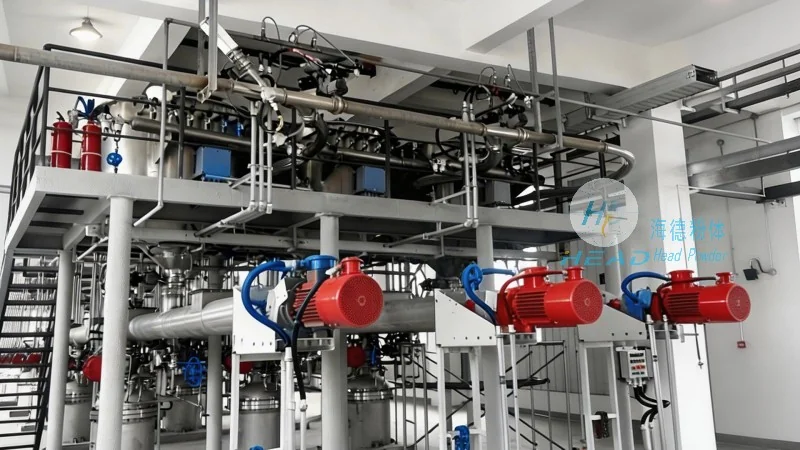
Another important aspect of the working scene is the need for dust control and environmental compliance. Coke particle pneumatic conveying systems generate significant dust during operation, which can pose health and safety risks if not properly managed. Therefore, many systems incorporate dust collection and filtration systems to capture and neutralize the airborne particles. This not only protects workers but also ensures compliance with environmental regulations, making the system suitable for operation in both industrial and potentially sensitive environments.
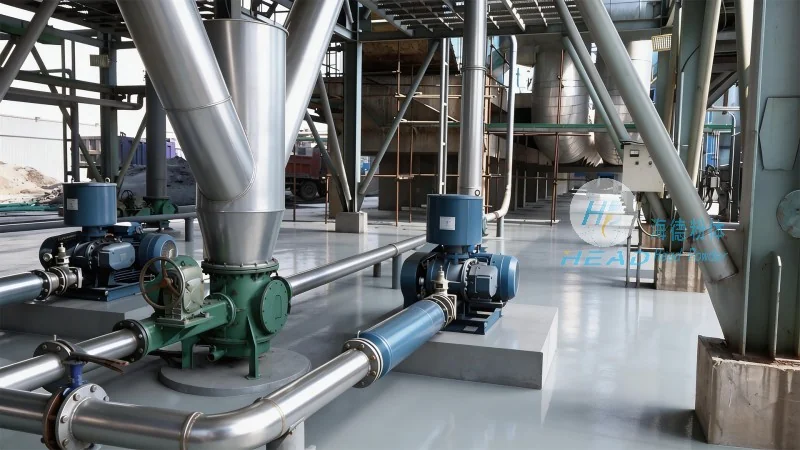
Advantages and Considerations in Coke Particle Pneumatic Conveying
Implementing a coke particle pneumatic conveying system offers several advantages over traditional mechanical conveying methods. One of the primary benefits is the ability to transport materials over long distances without the need for multiple transfer points or complex infrastructure. This can significantly reduce installation costs and operational complexity. Additionally, pneumatic systems are generally more flexible, allowing for changes in the material flow path or destination without major modifications to the system.
However, there are also important considerations to keep in mind when selecting or operating a coke particle pneumatic conveying system. The abrasive nature of coke particles can lead to increased wear on system components, particularly the pipeline and feeder mechanisms. Regular maintenance and the use of wear-resistant materials are essential to ensure the longevity and efficiency of the system. Furthermore, the system's energy consumption is a significant factor, as the high air velocities required for effective particle suspension can result in substantial power usage. Optimizing the system design, such as using efficient feeders and maintaining proper air pressure, can help mitigate these energy costs.