

Principle and Working Scene Characteristics of Bentonite Powder Pneumatic Conveying Systems
HeadPowder, a leading provider of industrial material handling solutions, specializes in the design and implementation of advanced pneumatic conveying systems for various bulk materials, including bentonite powder. This article explores the fundamental principles behind these systems and highlights the key working scene characteristics that make them ideal for specific industrial applications.
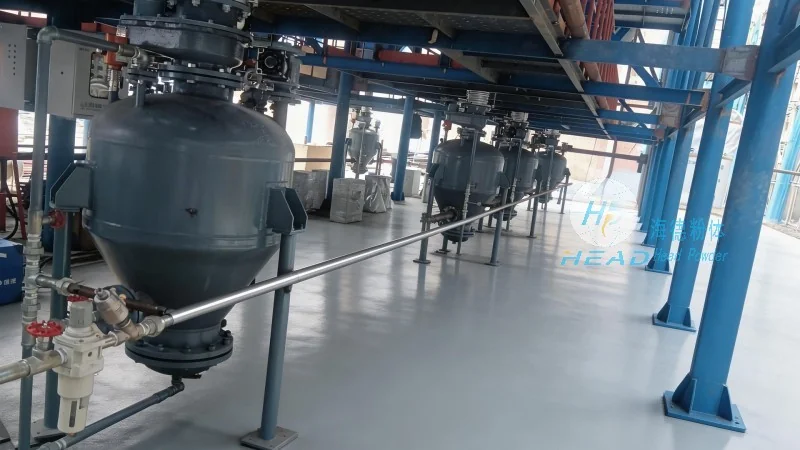
Understanding the Core Principle of Bentonite Powder Pneumatic Conveying Systems
The fundamental principle of pneumatic conveying systems is the use of compressed air or other gases to transport bulk materials through a pipeline network. In the case of bentonite powder, which is a fine, hygroscopic clay used in a wide range of industries such as oil drilling, paper manufacturing, and water treatment, the system must be engineered to handle the material's unique properties. Bentonite powder is known for its high moisture content and tendency to agglomerate, which can lead to blockages and reduced system efficiency if not managed properly. Therefore, the design of a pneumatic conveying system for bentonite powder involves careful consideration of material flow, air velocity, and system pressure to ensure smooth and continuous transport.
Key Working Scene Characteristics of Bentonite Powder Pneumatic Conveying Systems
One of the primary working scene characteristics of bentonite powder pneumatic conveying systems is their ability to handle fine, dry powders with high efficiency. The systems are typically designed to operate at low to moderate air velocities, which minimizes material degradation and reduces energy consumption compared to high-velocity systems. This makes them suitable for applications where the material needs to be transported over long distances or through complex network configurations without significant loss of quality or performance.
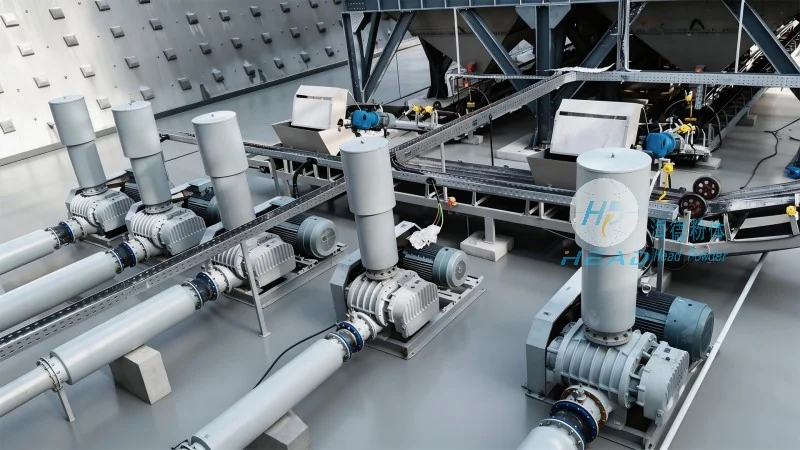
Another important characteristic is the system's adaptability to different operational environments. Bentonite powder is often used in industrial settings where space is limited or where the material needs to be transferred between multiple processing units. The modular design of pneumatic conveying systems allows for easy integration into existing production lines, enabling seamless material transfer without the need for extensive infrastructure modifications. This flexibility is particularly valuable in industries where production schedules are tight and downtime must be minimized.
Applications and Operational Advantages in Real-World Scenarios
In real-world industrial scenarios, bentonite powder pneumatic conveying systems are widely used in oilfield operations, where the material is used as a drilling fluid additive to improve wellbore stability and prevent formation damage. The systems must be capable of handling large volumes of bentonite powder at high throughput rates while maintaining consistent material quality. This requires advanced control systems and robust pipeline designs that can withstand the abrasive nature of the material and the high pressures involved in the conveying process.
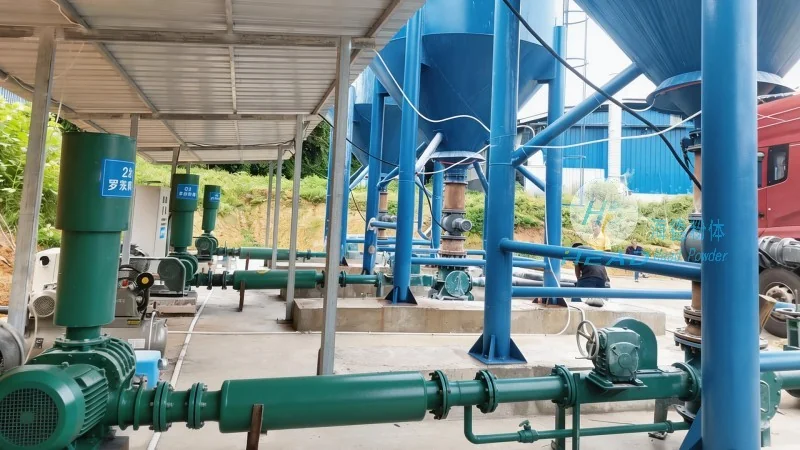
In the paper manufacturing industry, bentonite powder is used as a filler and coating agent to enhance the paper's strength and surface properties. The pneumatic conveying systems used in these applications must be designed to deliver the powder to the paper machine at a precise rate and under controlled conditions. This ensures that the final product meets the required specifications and that the system operates efficiently without causing material buildup or clogging in the pipelines.
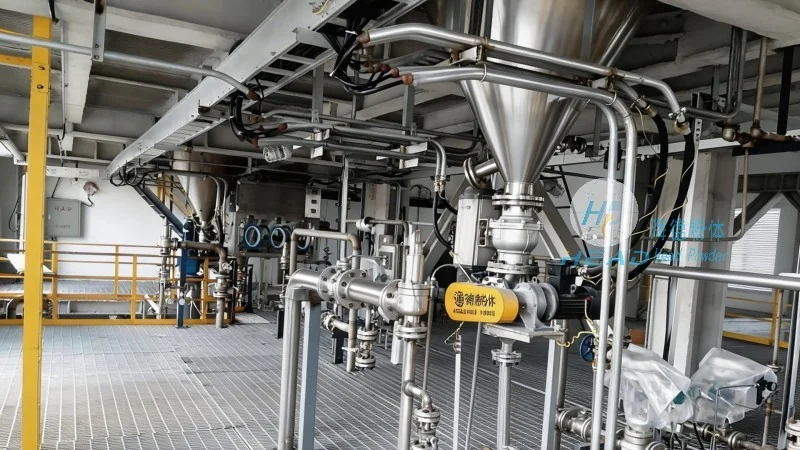
Water treatment facilities also rely on bentonite powder for its adsorption properties, which help in removing contaminants from water sources. The pneumatic conveying systems used in these settings are typically equipped with filtration and drying components to maintain the material's quality and prevent moisture-related issues. The systems are designed to operate in a clean and controlled environment, ensuring that the bentonite powder is delivered to the treatment units in a dry and consistent state.
Conclusion: The Role of Advanced Engineering in Efficient Material Handling
Overall, the principle and working scene characteristics of bentonite powder pneumatic conveying systems highlight the importance of advanced engineering in optimizing material handling processes. By understanding the unique properties of bentonite powder and designing systems that address these properties, manufacturers can achieve high levels of efficiency, reliability, and cost-effectiveness in their operations. As a leading provider of such systems, Shandong HeadPowder Engineering Co., Ltd. continues to innovate and improve its solutions to meet the evolving needs of industries that rely on bentonite powder for their production processes.