Desulfurization fly ash, a byproduct from flue gas desulfurization processes in power plants and industrial facilities, requires efficient and reliable transportation methods to ensure proper handling and utilization. The choice of transportation method depends on factors such as ash characteristics, distance, volume, and the desired end-use. Several common methods are widely adopted in the industry, each with its own advantages and applications.
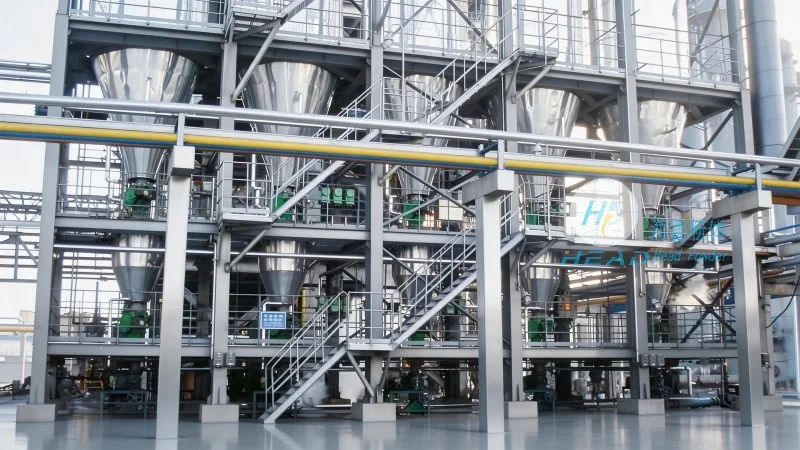
1. Pipeline Transportation
Pipeline transportation is a prevalent method for moving desulfurization fly ash over long distances, particularly when the ash is in a slurry or paste form. This method involves pumping the ash through a network of pipelines using pumps, often in conjunction with water or other additives to maintain a fluid state. The system typically includes a slurry preparation unit, where the ash is mixed with water to achieve the desired consistency, followed by pumping through pipelines to the storage or disposal site. Pipeline transportation offers advantages such as continuous operation, low labor requirements, and reduced environmental impact compared to trucking. However, it requires significant infrastructure investment and may be less suitable for transporting dry ash or for short-distance applications.
2. Belt Conveyor System
Belt conveyor systems are widely used for transporting dry or semi-dry desulfurization fly ash over medium to long distances. The ash is loaded onto a moving belt, which transports it from the source (e.g., the desulfurization unit) to the storage silo or disposal area. This method is particularly effective for handling large volumes of ash and is often integrated with other material handling equipment, such as feeders and hoppers. Belt conveyors offer high capacity, low maintenance costs, and the ability to operate in various environmental conditions. They are commonly used in power plants and industrial facilities where the ash is generated in large quantities and needs to be moved to nearby storage or processing facilities.
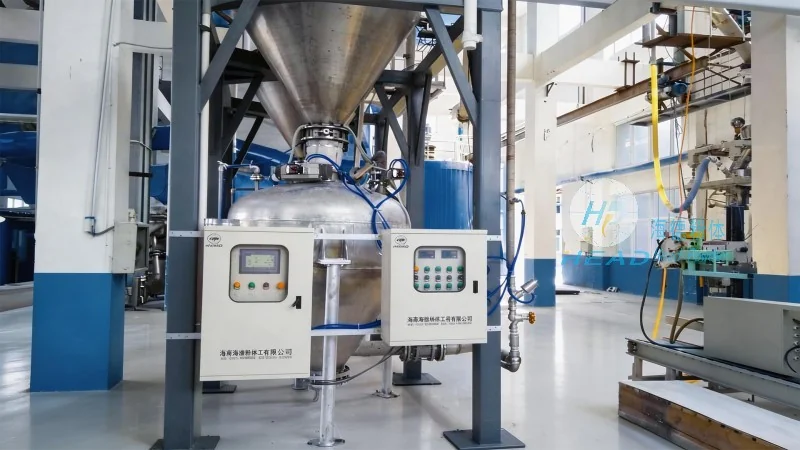
3. Pneumatic (Air) Transportation
Pneumatic transportation, or air conveying, is another common method for moving desulfurization fly ash, especially when the ash is in a dry or fine powder form. This system uses compressed air to transport the ash particles through a pipeline network. The ash is fed into the pipeline via a feeder, and the air pressure propels the particles forward. Pneumatic systems are suitable for transporting ash over moderate distances and can handle both dry and wet ash, depending on the system design. They offer advantages such as flexibility in layout, the ability to transport ash vertically and horizontally, and reduced exposure to dust compared to other methods. However, they may require higher energy consumption and more maintenance than other systems, and the cost of compressed air can be a factor in long-term operation.
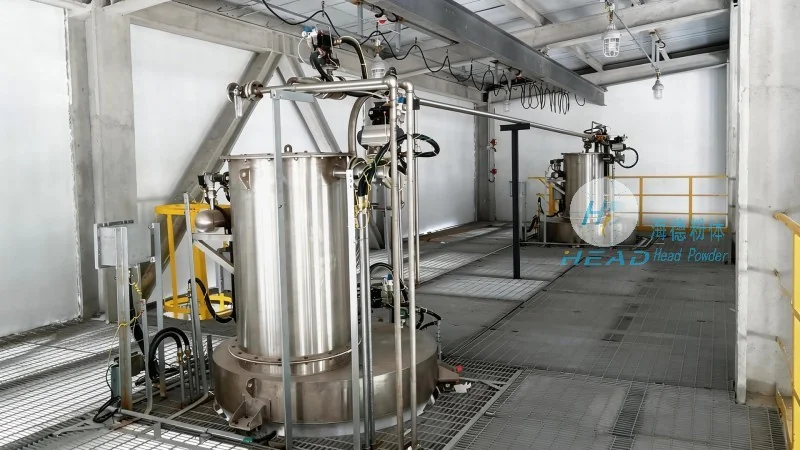
4. Truck Transportation
Truck transportation is a traditional method for moving desulfurization fly ash, particularly for short-distance or on-site transfers. The ash is loaded into bulk trucks, which transport it to the storage or disposal site. This method is flexible and can be used for both dry and wet ash, depending on the truck design. Truck transportation offers advantages such as easy access to remote or difficult-to-reach locations and the ability to handle varying volumes. However, it has limitations, including higher labor costs, potential environmental impact from dust emissions, and restrictions on transportation distances due to regulations and logistics constraints.
Shandong HeadPowder Engineering Co., Ltd., a leading provider of industrial material handling solutions, specializes in designing and implementing customized transportation systems for desulfurization fly ash. With years of experience in the field, HeadPowder offers comprehensive services, including system design, equipment supply, and installation, tailored to meet the specific needs of power plants and industrial facilities. The company’s expertise in pipeline, conveyor, and pneumatic systems ensures efficient and reliable ash transportation, minimizing downtime and operational costs. HeadPowder’s solutions are engineered to comply with environmental regulations and industry standards, providing sustainable and cost-effective options for ash management. Located in Shandong, China, HeadPowder leverages its local resources and technical capabilities to deliver high-quality products and services to clients worldwide.




