

What is High-Temperature Fly Ash Pneumatic Conveying? Classification and Applications of Pneumatic C
High-temperature fly ash pneumatic conveying is a specialized method of material handling that involves transporting hot fly ash from power plant boilers to storage or treatment facilities using pressurized air or gas. This technology is crucial in the power generation industry, especially for managing the byproduct of coal combustion. The process typically operates at temperatures that can exceed 200°C, making it essential to use materials and systems designed to withstand such high thermal conditions.
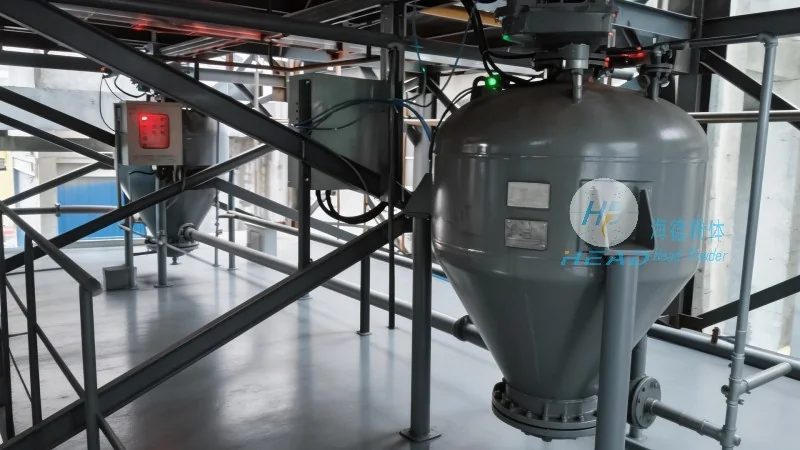
Understanding High-Temperature Fly Ash Pneumatic Conveying
At its core, high-temperature fly ash pneumatic conveying utilizes a system of pipes, blowers, and control valves to move hot, fine particulate matter. The system is engineered to handle the unique challenges posed by fly ash, including its abrasive nature, high temperature, and potential for moisture content. Unlike conventional pneumatic conveying systems, which often operate at ambient temperatures, high-temperature versions are equipped with heat-resistant components, such as stainless steel or specialized alloys, to prevent degradation and ensure long-term reliability.
Key Components of a High-Temperature Fly Ash Pneumatic Conveying System
The effectiveness of a high-temperature fly ash conveying system depends on several critical components. The primary components include a high-temperature blower or compressor, which generates the necessary pressure to move the material. The system also features a hopper or feeder that feeds the fly ash into the pipeline, often equipped with temperature sensors to monitor the material's temperature. Additionally, the pipeline itself is constructed from materials like high-temperature steel or ceramic-lined pipes to withstand the thermal stress. Control valves and dampers are integrated to regulate the flow and prevent backflow, ensuring smooth and efficient operation.
Classification of Pneumatic Conveying Systems
Pneumatic conveying systems are broadly classified into two main categories: pressure and vacuum systems. Pressure systems, as the name suggests, use a positive pressure to push the material through the pipeline, typically employing a blower or compressor at the discharge end. These systems are well-suited for high-temperature applications because they can handle the increased density and temperature of the material. Vacuum systems, on the other hand, use a negative pressure to pull the material from the source, often using a vacuum pump at the inlet. While vacuum systems are more common for lower-temperature applications, they can also be adapted for high-temperature fly ash handling with appropriate modifications.
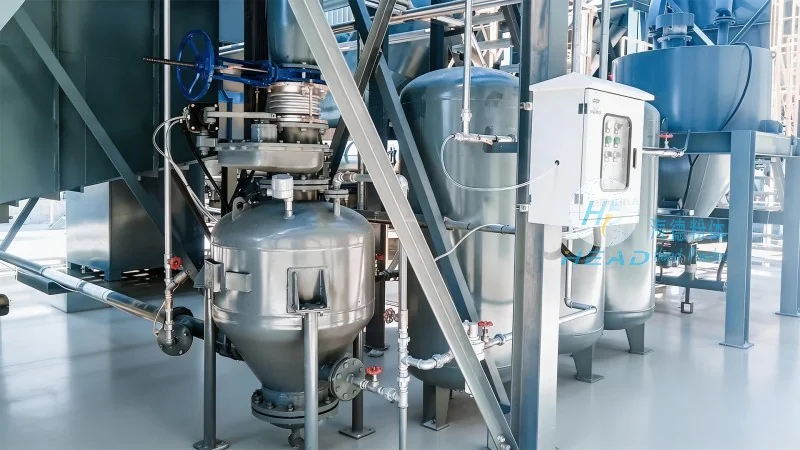
Applications of High-Temperature Fly Ash Pneumatic Conveying
High-temperature fly ash pneumatic conveying is widely used in various industrial applications, particularly in the power sector. One of the primary applications is the transport of fly ash from the boiler to a storage silo or a landfill site. This method allows for the safe and efficient removal of ash, reducing the need for manual handling and minimizing environmental risks. Another application is the transfer of fly ash to a cement plant or a concrete mixing facility, where it can be used as a supplementary cementitious material (SCM). This not only reduces the demand for natural cement but also enhances the durability and strength of the concrete. Additionally, high-temperature conveying systems are used in the processing of fly ash for the production of fly ash bricks or other building materials, contributing to sustainable construction practices.
Advantages of High-Temperature Fly Ash Pneumatic Conveying
Compared to traditional methods like truck or rail transport, high-temperature pneumatic conveying offers several advantages. Firstly, it provides a continuous and automated process, reducing labor costs and improving operational efficiency. The system can handle large volumes of material with minimal downtime, making it ideal for high-throughput power plants. Secondly, it offers better environmental control, as the material is contained within a sealed pipeline, preventing dust emissions and minimizing the risk of contamination. Thirdly, the system is more compact and can be installed in confined spaces, which is beneficial for retrofitting existing power plants. Finally, high-temperature conveying systems are more energy-efficient than other methods, as they require less power to move the material over short to medium distances.
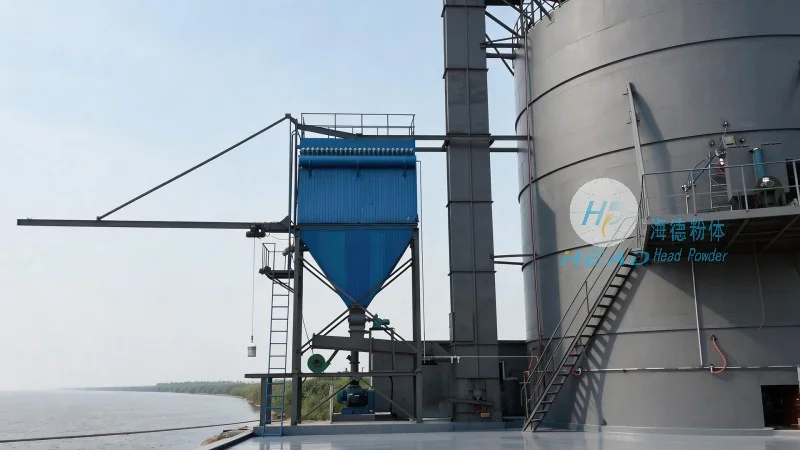
Challenges and Solutions in High-Temperature Fly Ash Pneumatic Conveying
Despite its benefits, high-temperature fly ash pneumatic conveying faces several challenges. One of the main challenges is the corrosion and wear caused by the abrasive nature of fly ash and the high temperatures. To address this, manufacturers use materials like stainless steel, duplex steel, or ceramic coatings on the pipeline and components. Another challenge is the potential for blockages in the pipeline, especially if the fly ash contains moisture or clumps. This can be mitigated by incorporating temperature and moisture sensors, as well as using agitators or vibrators to prevent material buildup. Additionally, the high temperature can affect the performance of the blower or compressor, requiring regular maintenance and replacement of parts to ensure optimal operation.
Case Study: Implementation by Shandong HeadPowder Engineering Co., Ltd.
Shandong HeadPowder Engineering Co., Ltd., a leading provider of material handling solutions, has successfully implemented high-temperature fly ash pneumatic conveying systems for several power plants across China. One notable project involved the installation of a 100-ton-per-hour system at a thermal power plant in Shandong province. The system was designed to handle fly ash at temperatures up to 250°C and was constructed using high-temperature steel pipes and specialized blowers. The project demonstrated the effectiveness of the system in reducing ash handling costs by 30% and improving the plant's overall efficiency. The company's expertise in customizing systems to meet specific client requirements has made it a trusted partner in the power generation industry.
Conclusion
High-temperature fly ash pneumatic conveying is a vital technology in the power generation industry, offering efficient and environmentally friendly solutions for handling hot fly ash. By understanding the classification and applications of pneumatic conveying systems, power plants can optimize their material handling processes and reduce operational costs. With advancements in materials and control systems, high-temperature conveying is becoming more reliable and cost-effective, making it an essential component of modern power plant operations. As the demand for sustainable energy and efficient waste management grows, the role of high-temperature fly ash pneumatic conveying will continue to expand, contributing to a more sustainable future for the power industry.