

Operation Process and Working Principle of Magnesium Silicate Material Pneumatic Conveying Equipment
HeadPowder, a leading manufacturer based in Shandong, China, specializes in the design and production of advanced pneumatic conveying equipment tailored for handling magnesium silicate materials. This article provides a detailed overview of the operational process and underlying principles of such systems, highlighting the efficiency and reliability they offer in material transport applications.
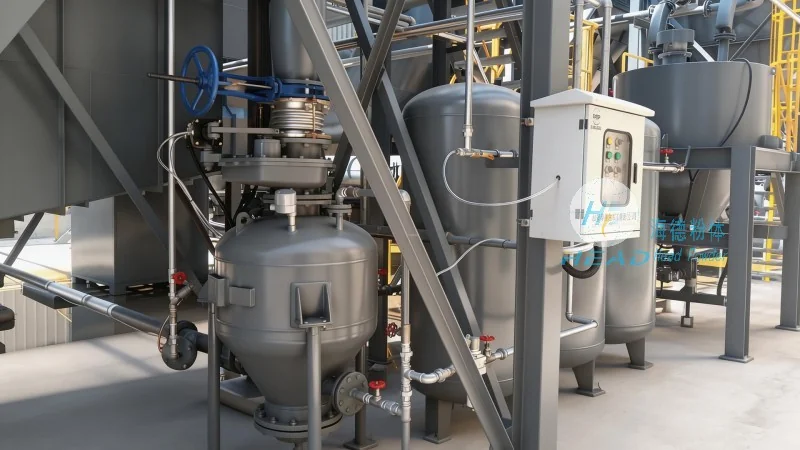
Overview of Pneumatic Conveying Technology for Magnesium Silicate
Pneumatic conveying systems are widely used in industrial settings to transport bulk materials like magnesium silicate, which are often characterized by their fine particle size and potential for dust generation. The technology involves the use of air or gas to move materials through a pipeline network, eliminating the need for mechanical components such as belts or buckets that may be prone to wear and maintenance issues. For magnesium silicate, which is commonly used in applications ranging from construction to chemical processing, a well-designed pneumatic system ensures consistent material flow while maintaining product integrity.
Key Components of the Pneumatic Conveying System
The pneumatic conveying equipment for magnesium silicate typically consists of several critical components that work in tandem to achieve efficient material transport. These include the material feed hopper, which stores and feeds the bulk material into the system; the air compressor or blower, which generates the necessary pressure to move the material; the conveying line, which is usually made of stainless steel or other corrosion-resistant materials to handle the chemical properties of magnesium silicate; and the discharge unit, which delivers the material to the final destination. Each component is carefully engineered to ensure compatibility with the material's characteristics, such as its moisture content and particle size distribution.
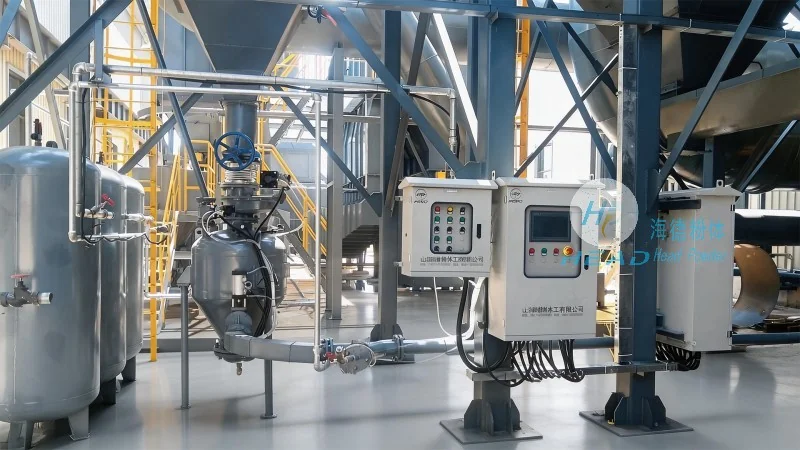
Operation Process of the Pneumatic Conveying System
The operation of the magnesium silicate pneumatic conveying system begins with the loading of the material into the feed hopper. The hopper is equipped with a feeding mechanism, such as a rotary valve or a screw feeder, which controls the rate at which material is introduced into the system. Simultaneously, the air compressor starts and generates a flow of air at a specific pressure and velocity. The air then enters the conveying line, where it mixes with the material particles, creating a slurry-like mixture known as a "pneumatic stream." This stream travels through the pipeline network, overcoming resistance and maintaining a consistent flow rate. At the discharge end, the air and material are separated, with the air typically being filtered and recycled back to the system, while the material is collected in a receiving container.
Working Principle: How the System Transfers Magnesium Silicate
The core principle behind the pneumatic conveying of magnesium silicate is the interaction between the air flow and the material particles. The system operates on the principle of fluidization, where the air flow creates a turbulent environment that lifts and transports the particles. The velocity of the air is crucial; it must be high enough to overcome the gravitational force acting on the particles but not so high as to cause excessive wear on the pipeline or equipment. The pressure drop along the conveying line is another critical factor, as it determines the energy required to move the material and affects the overall efficiency of the system. By optimizing these parameters, the system can achieve high throughput with minimal energy consumption.
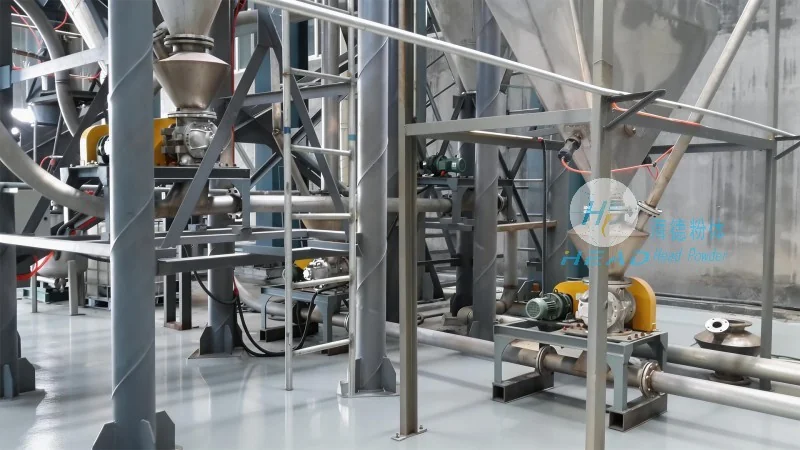
Advantages of Using Pneumatic Conveying for Magnesium Silicate
Implementing a pneumatic conveying system for magnesium silicate offers several advantages over traditional mechanical methods. Firstly, it eliminates the need for manual handling, reducing labor costs and improving workplace safety. Secondly, the system minimizes material degradation and contamination, as the material is not exposed to external elements or mechanical abrasion during transport. Thirdly, it provides a more hygienic and controlled environment, which is particularly important for materials used in food or pharmaceutical applications. Additionally, the flexibility of pneumatic systems allows for easy integration with existing production lines and the ability to transport materials over long distances without the need for intermediate storage.
Application Examples and Industry Impact
Pneumatic conveying systems equipped with magnesium silicate handling capabilities are widely used in various industries. In the construction sector, they are employed to transport raw materials for cement and concrete production, where consistent material quality is essential. In chemical processing, they facilitate the transport of magnesium silicate in the manufacturing of specialty chemicals, ensuring precise dosing and mixing. The reliability and efficiency of these systems contribute to improved production throughput and reduced downtime, making them a preferred choice for manufacturers seeking to enhance their operational performance.