

Operation Process and Working Principle of Magnesium Oxide Material Pneumatic Conveying Equipment
For industrial applications involving magnesium oxide, the efficient and reliable transport of this material is crucial. Pneumatic conveying systems, particularly those designed for handling magnesium oxide, offer a solution that combines precision, safety, and operational efficiency. This article explores the operation process and working principle of a pneumatic conveying equipment specifically tailored for magnesium oxide material, highlighting the technical aspects and practical implementation by Shandong HeadPowder Engineering Co., Ltd., a leading provider in the field.
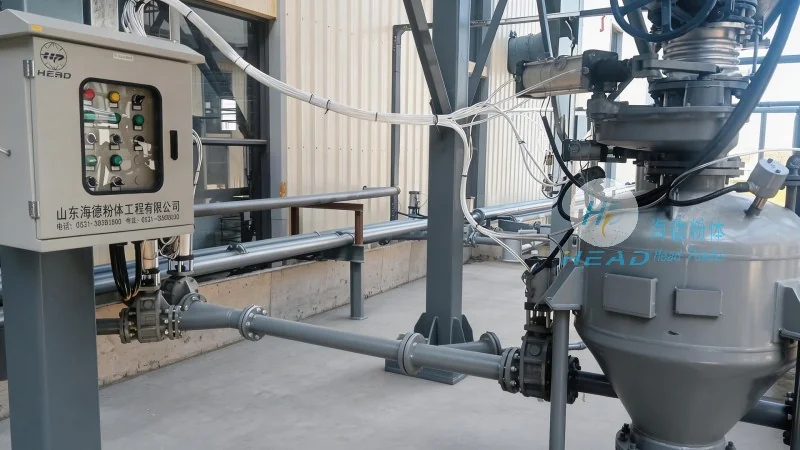
Company Overview: HeadPowder Engineering
Shandong HeadPowder Engineering Co., Ltd., commonly known as HeadPowder, is a professional manufacturer and supplier of pneumatic conveying equipment. With a focus on industrial material handling solutions, the company specializes in designing and producing systems that meet the unique demands of various industries, including those processing magnesium oxide. HeadPowder's commitment to quality, innovation, and customer satisfaction has established it as a trusted partner in the material handling sector, with operations based in Shandong, China.
Working Principle of Pneumatic Conveying Systems for Magnesium Oxide
The core principle of pneumatic conveying is the use of air or gas to transport solid materials through a pipeline. In the case of magnesium oxide, which is often in powder or granular form, the system operates by creating a flow of air that propels the material from the source to the destination. The working principle involves several key components and processes:
First, the material is fed into the system, typically through a hopper or feeder. The feeder controls the flow rate to ensure a consistent supply of magnesium oxide into the conveying line. Simultaneously, a blower or compressor generates the necessary air pressure and flow rate. This air is then introduced into the pipeline, creating a low-pressure or high-pressure environment depending on the system design. The air flow entrains the magnesium oxide particles, forming a dense or dilute phase stream that moves through the pipeline.
During transport, the air and material mixture travels through the conveying line, which may include bends, expansions, or restrictions designed to maintain the flow stability. The system may incorporate features such as cyclones or filters at the receiving end to separate the material from the air and collect it in a designated container. The air, now free of material, is either recirculated back into the system or vented to the atmosphere, depending on the design and environmental considerations.
Operation Process of Magnesium Oxide Pneumatic Conveying Equipment
The operation process of a magnesium oxide pneumatic conveying system involves a series of coordinated steps to ensure smooth and efficient material transport. The process typically begins with the preparation of the system, including checking the air supply, verifying the integrity of the pipeline, and ensuring all components are properly aligned and secured. Once the system is ready, the following steps are executed:
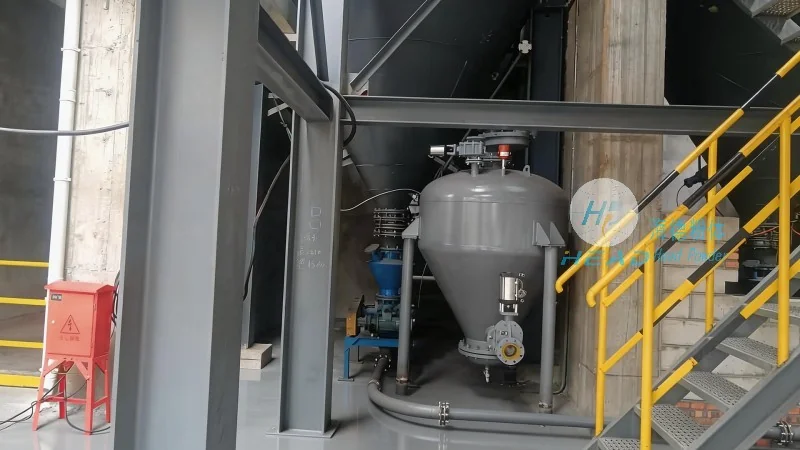
1. **Material Loading**: The magnesium oxide is loaded into the hopper or feeder. The feeder adjusts the feed rate to match the desired conveying capacity, ensuring a steady flow of material into the system.
2. **Air Initiation**: The blower or compressor is activated, generating the required air pressure and flow. The air is introduced into the pipeline, creating the necessary conditions for conveying.
3. **Conveying Phase**: As the air flows through the pipeline, it entrains the magnesium oxide particles, forming a mixture that moves from the loading point to the discharge point. The system may use either positive pressure (blowing air into the material) or negative pressure (sucking material into the air stream), depending on the specific design and application requirements.
4. **Material Separation and Discharge**: At the receiving end, the mixture passes through a separator, such as a cyclone or filter, where the air is separated from the magnesium oxide. The separated material is collected in a container or storage tank, while the air is either recirculated or vented.
5. **System Shutdown**: After the material has been fully conveyed, the system is shut down by first stopping the material feed and then the air supply. This sequence prevents backflow and ensures the system is safely prepared for the next operation.
Key Features and Advantages for Magnesium Oxide Handling
Pneumatic conveying equipment for magnesium oxide offers several advantages that make it an ideal choice for industrial applications. These features enhance the efficiency, safety, and reliability of material transport:
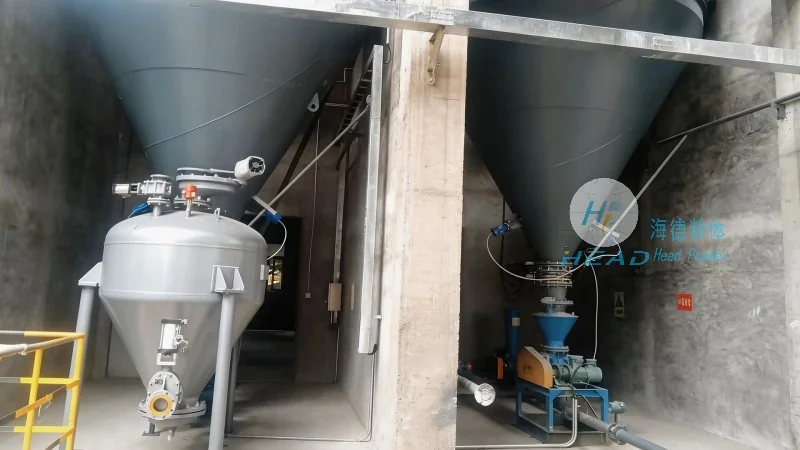
**Efficiency and Speed**: The system allows for rapid and continuous transport of magnesium oxide, reducing handling time and increasing overall production throughput. The ability to convey material over long distances without the need for intermediate storage or manual handling minimizes downtime and operational costs.
**Safety and Hygiene**: Pneumatic conveying eliminates the need for manual handling of magnesium oxide, which can be dusty and potentially hazardous. The enclosed system prevents dust dispersion, reducing the risk of respiratory issues and maintaining a clean working environment. This is particularly important for magnesium oxide, which may have health implications if inhaled.
**Versatility and Flexibility**: The equipment can be configured to handle various particle sizes and moisture levels of magnesium oxide. It can also be adapted for different conveying distances and system layouts, making it suitable for a wide range of industrial settings. The modular design allows for easy expansion or modification to meet changing production needs.
**Low Maintenance Requirements**: Compared to mechanical conveying systems, pneumatic conveying systems typically require less maintenance. The absence of moving parts in the conveying line reduces wear and tear, and the system components are designed for durability and long-term operation. This results in lower maintenance costs and increased system reliability.
Conclusion
Shandong HeadPowder Engineering Co., Ltd. provides advanced pneumatic conveying equipment specifically designed for the efficient and safe handling of magnesium oxide material. By understanding the working principle and operation process of these systems, industries can optimize their material transport processes, enhance operational efficiency, and ensure compliance with safety and environmental standards. The combination of technical expertise, quality manufacturing, and customer-focused solutions makes HeadPowder a reliable partner for businesses seeking to improve their material handling capabilities in the magnesium oxide processing sector.