

Operation Process and Working Principle of Quartz Powder Material Pneumatic Conveying Equipment
Quartz powder, a widely used industrial material, often requires efficient and reliable transportation methods for processing and distribution. The pneumatic conveying equipment designed for quartz powder material is a critical component in many industrial applications, ensuring safe and effective movement of this fine powder. This article explores the operation process and working principle of such equipment, highlighting its importance in modern industrial operations.
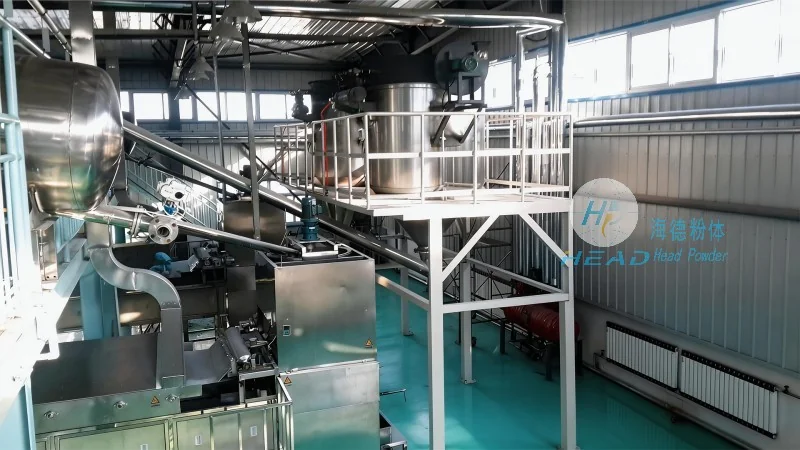
Introduction to Quartz Powder Pneumatic Conveying Equipment
HeadPowder, a leading manufacturer based in Shandong, China, specializes in the design and production of advanced pneumatic conveying systems tailored for quartz powder. The company's expertise lies in creating equipment that meets the specific demands of handling fine, abrasive, and dust-sensitive materials like quartz powder. The equipment not only enhances operational efficiency but also ensures environmental compliance and product integrity throughout the conveying process.
Key Components of the Pneumatic Conveying System
The quartz powder pneumatic conveying system typically consists of several key components that work in tandem to achieve efficient material transport. These components include the hopper for material storage, a feeder to control the flow rate, a conveying pipeline, a pressure vessel or receiver for material collection, and a blower or compressor to generate the necessary air flow. Each component plays a vital role in the overall operation, ensuring smooth and continuous movement of quartz powder from the source to the destination.
Working Principle of the Pneumatic Conveying Process
The working principle of the quartz powder pneumatic conveying equipment is based on the use of air as the conveying medium. The process begins with the material being fed from the hopper into the conveying pipeline. Simultaneously, the blower or compressor generates a high-pressure air stream that travels through the pipeline. As the air flows, it creates a negative pressure or positive pressure environment, depending on the system design, which pulls or pushes the quartz powder particles along the pipeline. The fine particles of quartz powder are entrained by the air stream and transported to the receiver or discharge point. The system is designed to maintain consistent air flow and particle velocity to prevent material deposition or blockage in the pipeline.
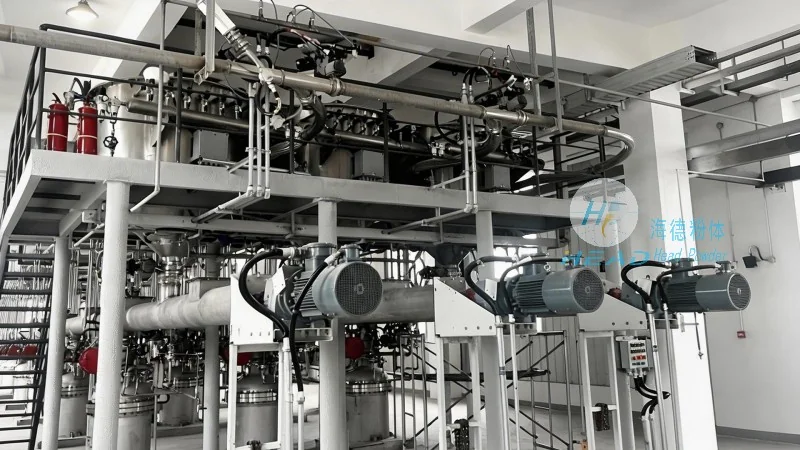
Operation Process: Step-by-Step Overview
The operation process of the quartz powder pneumatic conveying equipment involves several sequential steps that ensure efficient material handling. First, the quartz powder is loaded into the hopper, where it is stored under controlled conditions to prevent moisture absorption or caking. Next, the feeder regulates the flow rate of the material, ensuring a steady supply to the conveying pipeline. The blower then activates, generating the required air pressure to initiate the conveying process. As the air flows through the pipeline, it carries the quartz powder particles to the receiver, where they are collected and stored. The system continuously monitors the air pressure and flow rate to maintain optimal operation, with adjustments made as needed to handle variations in material characteristics or system load.
Advantages of Quartz Powder Pneumatic Conveying Equipment
The use of pneumatic conveying equipment for quartz powder offers several advantages over traditional methods such as bucket elevators or belt conveyors. These advantages include reduced material handling time, improved product cleanliness and integrity, and enhanced safety by minimizing dust exposure. The system is also highly flexible, allowing for changes in conveying distance or volume without significant modifications. Additionally, the equipment is designed to be energy-efficient, with optimized air flow and pressure control reducing operational costs over time.
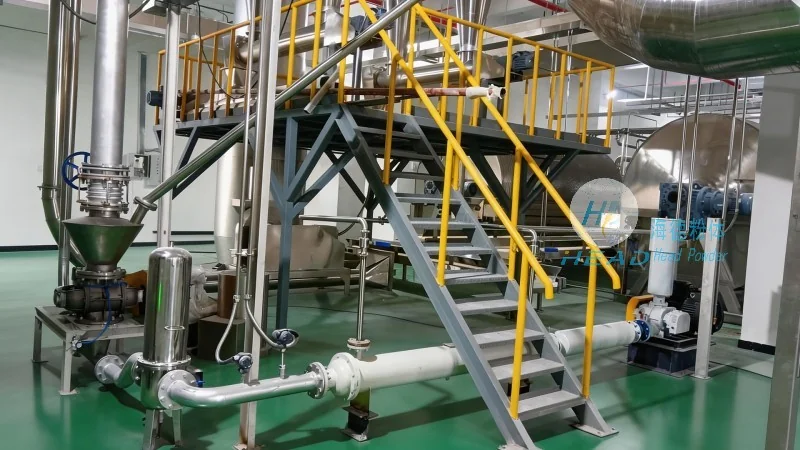
Applications and Industries
The quartz powder pneumatic conveying equipment is widely used in various industries that rely on quartz powder as a raw material. These industries include ceramics, glass manufacturing, pharmaceuticals, and chemical processing. In the ceramics industry, for example, quartz powder is used as a key ingredient in glazes and body formulations, and the conveying equipment ensures consistent quality and purity of the material. In the glass industry, quartz powder is used to enhance the refractory properties of glass, and the pneumatic system provides a reliable method for transporting the fine powder to the melting furnaces. The equipment's ability to handle abrasive and dust-sensitive materials makes it suitable for a wide range of applications where traditional conveying methods may not be effective.
Maintenance and Operational Considerations
To ensure the long-term performance and reliability of the quartz powder pneumatic conveying equipment, regular maintenance and proper operational considerations are essential. The system components, such as the blower, feeder, and pipeline, require periodic inspection and cleaning to prevent wear and tear or blockage. The air filtration system must be maintained to ensure clean air is used for conveying, preventing contamination of the quartz powder. Additionally, the system should be monitored for pressure and flow variations, with adjustments made as needed to maintain optimal operation. Proper training of operators on the equipment's operation and maintenance is also crucial to ensure safe and efficient use.
Conclusion
Quartz powder pneumatic conveying equipment, as provided by Shandong HeadPowder Engineering Co., Ltd., represents a sophisticated solution for the efficient and reliable transportation of fine quartz powder materials. By understanding the operation process and working principle of such equipment, industries can enhance their operational efficiency, product quality, and safety standards. The equipment's design and functionality make it an essential component in modern industrial applications, supporting the demands of various sectors that rely on quartz powder as a critical raw material.