

Operation Process and Working Principle of Desulfurization Fly Ash Material Pneumatic Conveying Equi
Desulfurization fly ash, a byproduct generated during the flue gas desulfurization process in thermal power plants, requires efficient and safe handling for storage and subsequent use. Pneumatic conveying systems have emerged as a preferred method for transporting this material due to their enclosed design, which minimizes dust emissions and ensures a clean working environment. This article provides an overview of the operation process and working principles of pneumatic conveying equipment specifically designed for desulfurization fly ash, highlighting the key components and their functions. Shandong HeadPowder Engineering Co., Ltd., a leading manufacturer based in China, specializes in providing high-quality pneumatic conveying solutions tailored to the needs of power plants and industrial facilities.
Key Components of the Pneumatic Conveying System
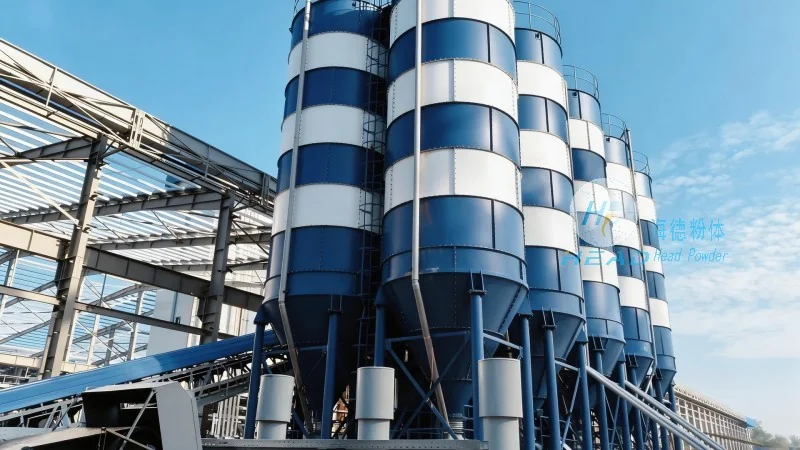
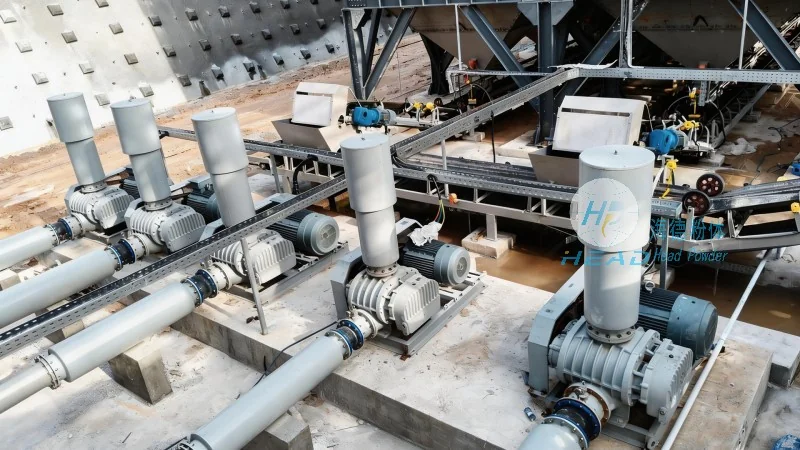
The pneumatic conveying system for desulfurization fly ash comprises several essential parts that work in tandem to achieve efficient material transport. The primary components include the material storage hopper, which holds the ash and feeds it into the conveying line; the air compressor or blower, which generates the necessary air pressure to move the material; the conveying pipeline, which transports the ash and air mixture; and the discharge hopper or silo, where the material is collected after transport. Each component is critical to the system's performance and reliability.
Working Principle of the Pneumatic Conveying Process
The operation of the pneumatic conveying equipment for desulfurization fly ash follows a systematic sequence. Initially, the ash is discharged from the storage hopper into the conveying pipeline. Simultaneously, the air compressor supplies compressed air to the pipeline, creating a pressure differential that propels the ash forward. The air and ash mixture travels through the pipeline under pressure, with the air providing the kinetic energy to move the material. At the discharge end, the air and ash separate: the ash falls into the collection hopper due to gravity, while the air is filtered and recycled back to the compressor. This continuous cycle ensures uninterrupted material transport, making the system suitable for long-distance and high-volume applications.
Advantages of Pneumatic Conveying for Desulfurization Fly Ash
Pneumatic conveying systems offer several advantages when handling desulfurization fly ash. One of the key benefits is the enclosed nature of the system, which prevents dust from being released into the environment, thus reducing health and safety risks for workers. Additionally, the system allows for the transportation of materials over significant distances without the need for intermediate transfer points, which can be costly and inefficient with traditional methods like belt conveyors. The flexibility of pneumatic conveying also enables easy integration with existing plant infrastructure, making it a cost-effective upgrade for power plants. Furthermore, the system's ability to handle abrasive materials like fly ash is enhanced by the use of appropriate pipeline materials and wear-resistant components, ensuring long-term durability.
Operational Considerations and Maintenance Practices
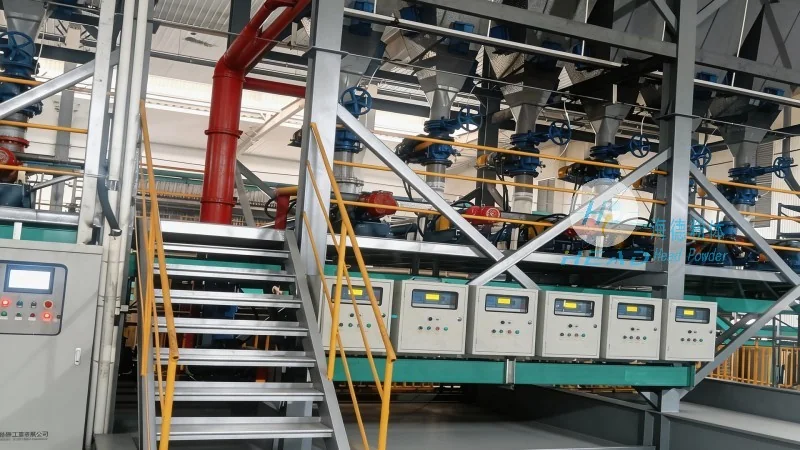
For the reliable and efficient operation of pneumatic conveying equipment for desulfurization fly ash, proper maintenance and operational considerations are essential. Regular monitoring of the air compressor and blower is crucial to ensure they operate within the specified pressure and flow ranges. The conveying pipeline should be inspected periodically for any signs of blockages, leaks, or wear, as these issues can significantly impact system performance. The material feed hopper and discharge hopper must be kept clean to prevent material buildup and ensure smooth flow. Additionally, the air filtration system should be maintained to prevent dust accumulation and maintain air quality, which is vital for both equipment longevity and worker safety. Proper training of operators on system operation and emergency procedures also contributes to the overall safety and efficiency of the process.