

Operation Process and Working Principle of Wheat Material Pneumatic Conveying Equipment
Wheat material pneumatic conveying equipment is a critical component in modern grain processing and handling operations. These systems are designed to efficiently transport wheat and other similar bulk materials from one location to another using air pressure or vacuum. The operation process and working principle of such equipment are essential for understanding its functionality and optimizing its performance in industrial settings.
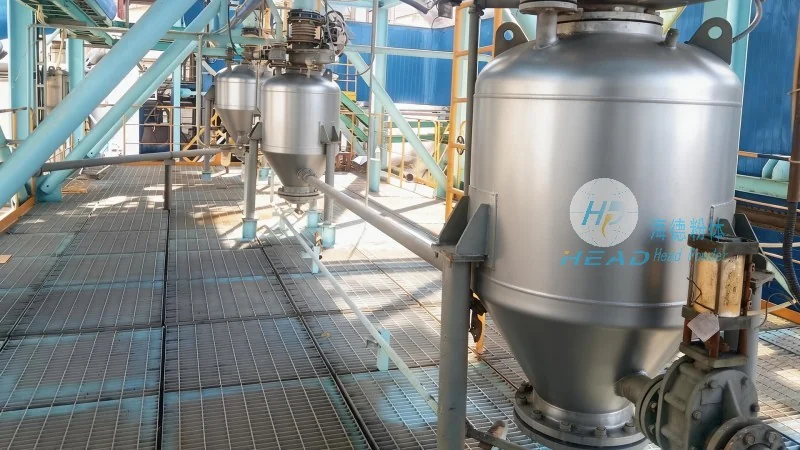
Introduction to Pneumatic Conveying Systems for Wheat Material Handling
Pneumatic conveying systems are widely used in the agricultural and food processing industries due to their ability to handle wheat and other granular materials with minimal product degradation. Unlike traditional mechanical conveyors, which rely on physical contact and friction, pneumatic systems use air to move materials, reducing the risk of contamination and damage to the product. This makes them particularly suitable for transporting wheat, which is sensitive to moisture and physical stress.
Company Overview: Shandong HeadPowder Engineering Co., Ltd.
HeadPowder, a leading manufacturer of pneumatic conveying equipment, is headquartered in Shandong, China. With years of experience in the industry, the company specializes in designing, manufacturing, and supplying high-quality wheat material pneumatic conveying systems tailored to the specific needs of grain processing facilities. The company's commitment to innovation and quality ensures that its products meet the highest standards of efficiency and reliability.
The Operation Process of Wheat Material Pneumatic Conveying Equipment
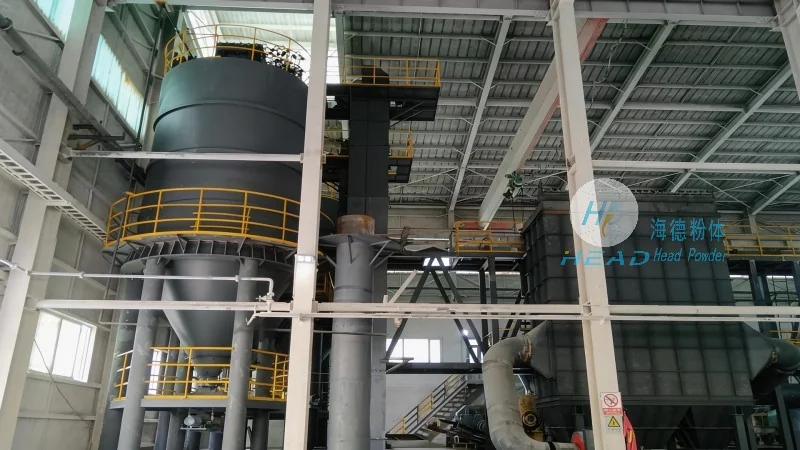
The operation process of wheat material pneumatic conveying equipment typically involves several key steps. First, the wheat is fed into the system, either manually or through an automated feeding mechanism. The material is then introduced into a conveying line, where it is mixed with air under controlled pressure. The air, carrying the wheat particles, is then directed to the discharge point, where the material is separated from the air and collected in a storage or processing unit. The entire process is automated, with sensors and controls ensuring consistent performance and preventing blockages or other issues.
Working Principle of Pneumatic Conveying Systems
The working principle of pneumatic conveying systems is based on the fundamental physics of fluid dynamics. When air is introduced into a conveying line at a sufficient velocity, it creates a flow that can transport the wheat particles. The system operates on either positive pressure (where air is forced into the line) or negative pressure (where air is drawn out of the line). For wheat material handling, positive pressure systems are more common as they provide better control over the material flow and reduce the risk of dust emissions. The pressure and velocity of the air are carefully regulated to ensure that the wheat particles are transported efficiently without causing excessive wear on the equipment.
Key Components and Their Functions in Wheat Material Handling
Several key components work together to ensure the smooth operation of wheat material pneumatic conveying equipment. These include the hopper (for material storage and feeding), the air compressor (to generate the necessary air pressure), the conveying line (the main channel for material transport), the separator (to separate the wheat from the air at the discharge point), and the control system (to monitor and adjust the operation parameters). Each component plays a crucial role in maintaining the efficiency and reliability of the system. For example, the hopper ensures a consistent feed rate, while the separator prevents air from being discharged with the wheat, reducing energy consumption and improving material recovery.
Advantages of Using Pneumatic Conveying for Wheat Processing
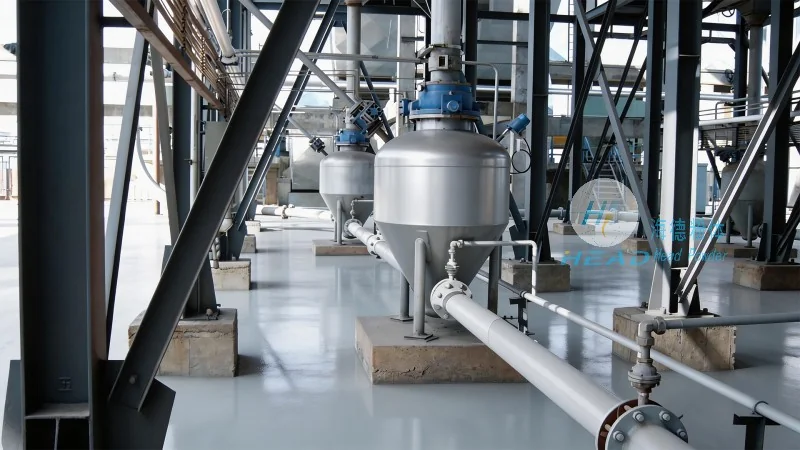
There are several advantages to using pneumatic conveying systems for wheat processing. First, they offer high efficiency in material transport, with the ability to move large quantities of wheat over long distances with minimal labor. Second, they reduce the risk of product contamination and damage, as the material is not in direct contact with the conveying equipment. Third, they are more hygienic and easier to clean compared to traditional mechanical conveyors, which is essential for food processing applications. Additionally, pneumatic systems can be easily integrated with other processing equipment, such as milling machines or storage silos, to create a seamless workflow.
Application Scenarios and Practical Implementation
Wheat material pneumatic conveying equipment is used in a variety of applications across the grain processing industry. For example, in flour mills, these systems are used to transport wheat from storage silos to the milling equipment. In grain elevators, they help move wheat between different levels of the facility. In agricultural settings, they can be used to transport wheat from the field to storage facilities or to processing plants. The practical implementation of these systems requires careful consideration of factors such as the distance to be covered, the volume of material to be transported, and the specific requirements of the processing facility. HeadPowder provides customized solutions to meet these diverse needs, ensuring that the equipment is optimized for each application.