

Operation Process and Working Principle of Air-Pneumatic Conveying Equipment for Sodium Carbonate Ma
HeadPowder, a leading manufacturer based in Shandong, China, specializes in the design, development, and production of advanced air-pneumatic conveying equipment tailored for handling sodium carbonate material. This equipment is engineered to efficiently transport bulk sodium carbonate from storage silos or production lines to processing units, ensuring smooth and reliable material flow in industrial applications.
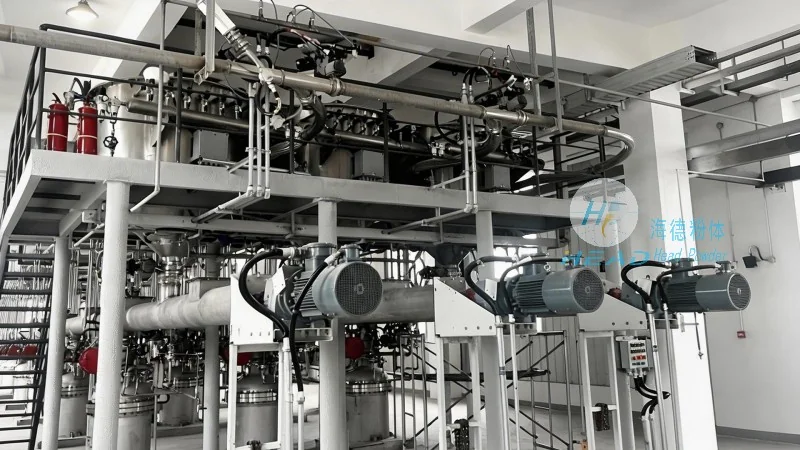
The air-pneumatic conveying system for sodium carbonate material is a critical component in many industrial processes, offering a solution to the challenges of handling fine or dusty materials. By utilizing compressed air to move the material through a network of pipes, this equipment provides a dust-free, hygienic, and energy-efficient method of material transfer, which is particularly important in the chemical and food processing industries where material purity and environmental compliance are paramount.
Operation Process of the Air-Pneumatic Conveying Equipment
The operation of the air-pneumatic conveying equipment for sodium carbonate material involves several key steps, each designed to ensure optimal performance and material handling efficiency. The process begins with the loading of sodium carbonate into the hopper or storage silo. From there, the material is drawn into the conveying line by the action of compressed air, which creates a negative pressure in the system, pulling the material along the pipe.
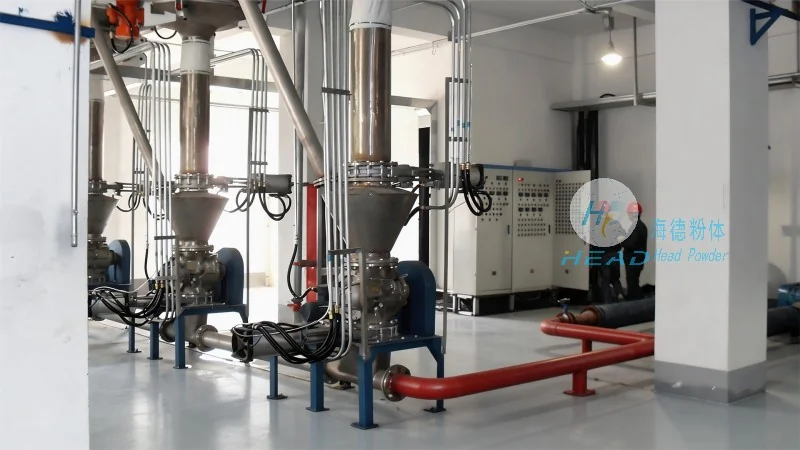
Once the material is in the conveying line, it travels through the system under the force of the air flow. The equipment may include various components such as in-line mixers, filters, and pressure vessels to ensure the material is conveyed smoothly and without blockages. The system is typically controlled by a programmable logic controller (PLC), which monitors and adjusts the air pressure and flow rate to maintain consistent material delivery. The entire process is designed to be automated, reducing the need for manual intervention and minimizing the risk of material spillage or contamination.
The operation process also includes pre-startup checks, such as verifying air pressure, checking for blockages, and ensuring safety devices are functional. After confirming the system is ready, compressed air is activated, and material is fed into the hopper. The PLC initiates the conveying cycle, adjusting air flow based on feed rate to maintain pressure differential. Material is conveyed through the system, passing through mixers or filters as needed. The cycle continues until material reaches the target location, after which the system is shut down and air pressure is released.
Working Principle of the Air-Pneumatic Conveying Equipment
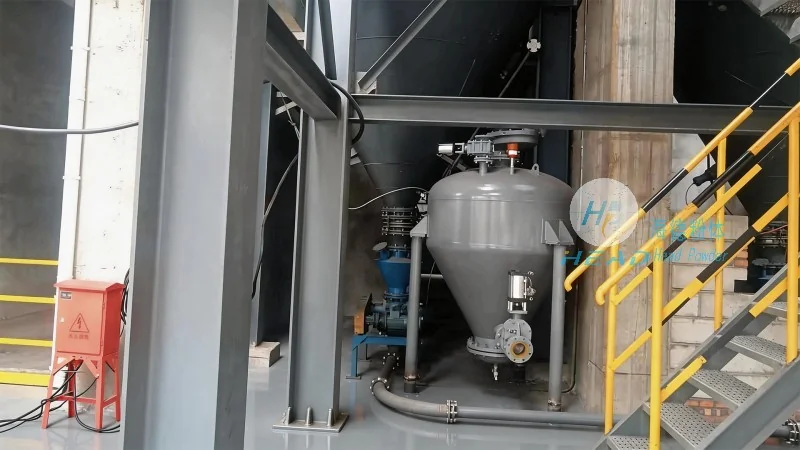
The core principle behind the air-pneumatic conveying equipment for sodium carbonate material is the use of differential pressure to move the material through the conveying line. Compressed air is supplied to the system, creating a pressure differential between the inlet and outlet of the conveying line. This pressure difference generates a flow of air that carries the sodium carbonate particles along the pipe. The equipment is designed to handle a wide range of particle sizes and moisture contents, ensuring that the material is conveyed without degradation or loss of quality.
The system may use either positive pressure or negative pressure (or a combination of both) depending on the specific application and material characteristics. Positive pressure systems push the material through the line using compressed air, while negative pressure systems pull the material using a vacuum. For sodium carbonate, a combination of both may be used to optimize conveying efficiency and minimize energy consumption. The equipment also includes features such as air filters and cyclone separators to prevent dust from escaping into the environment and to ensure that the material remains clean and free from contaminants.
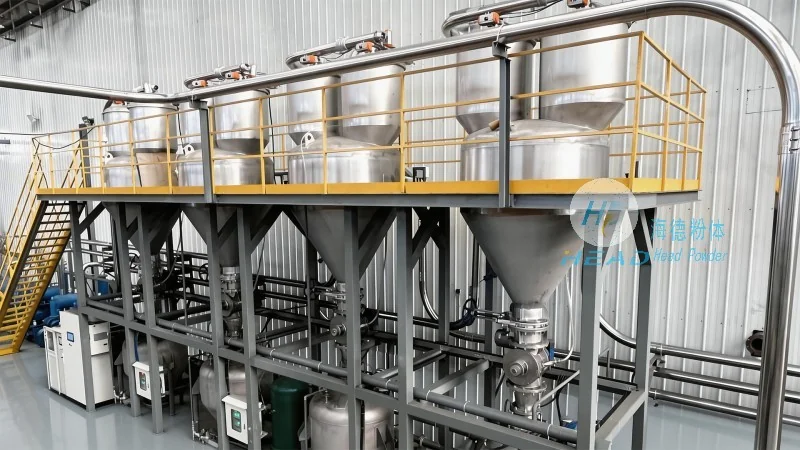
The working principle is based on the Bernoulli principle, which relates to the conservation of energy in fluid flow. As compressed air accelerates through the conveying line, it creates a low-pressure zone that draws sodium carbonate particles into the air stream. The particles are then carried along the line by the air flow, with particle size and density influencing the required air velocity and pressure differential. The equipment is optimized to achieve efficient and reliable material transfer under these conditions.
HeadPowder's air-pneumatic conveying equipment for sodium carbonate material is built with high-quality materials and advanced engineering to ensure durability and long-term performance. The system is designed to meet the strict standards of the chemical and food industries, providing a reliable solution for material handling that enhances productivity and reduces operational costs.