Headpowder, a leading manufacturer based in Shandong, China, specializes in the design and production of advanced pneumatic conveying equipment tailored for handling silica powder and similar fine materials. This article delves into the operational process and underlying principles of such equipment, providing a comprehensive understanding for industry professionals.
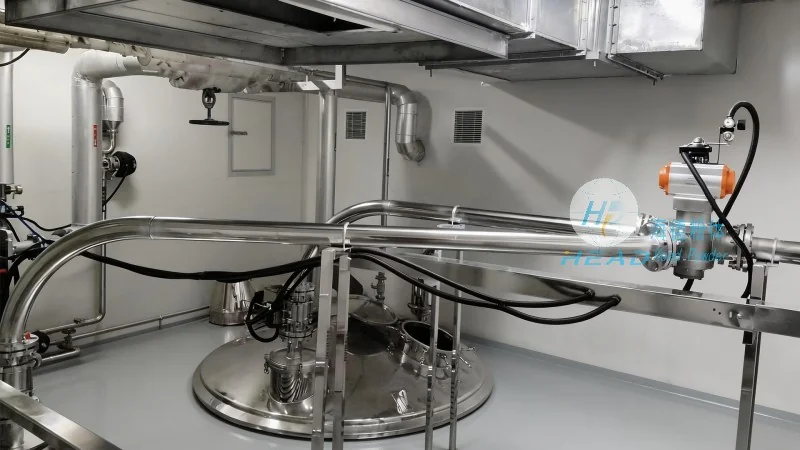
Overview of Silica Powder Pneumatic Conveying Systems
Silica powder, a common industrial material used in various applications including construction, pharmaceuticals, and chemical processing, requires efficient and reliable transport methods to maintain product quality and operational efficiency. Pneumatic conveying systems offer a solution by utilizing air as the primary medium to move powders through pipelines, eliminating the need for mechanical components that might cause contamination or material degradation. The equipment from Shandong HeadPowder Engineering Co., Ltd. is engineered to handle the unique challenges associated with silica powder, such as its fine particle size and potential for static charge accumulation.
Key Components of the Pneumatic Conveying Equipment
The pneumatic conveying system for silica powder typically consists of several critical components that work in concert to ensure smooth operation. These include a material feeder, a blower or compressor to generate the air flow, a pipeline network, and a receiver or discharge unit. The material feeder is designed to accurately meter the silica powder into the system, preventing overloading or underloading that could disrupt the conveying process. The blower or compressor provides the necessary pressure and airflow to move the powder through the pipeline, while the pipeline network ensures the material is transported from the source to the destination. The receiver or discharge unit collects the powder at the end of the pipeline, allowing for controlled discharge into storage or processing equipment.
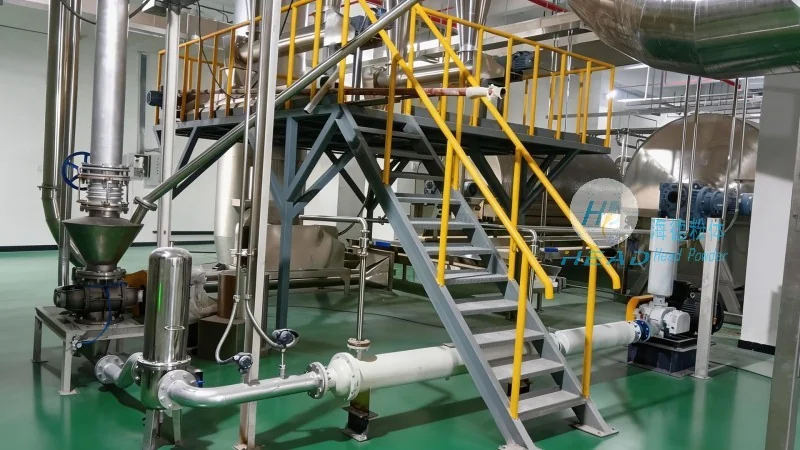
Operation Process of the Silica Powder Pneumatic Conveying Equipment
The operation of the silica powder pneumatic conveying equipment follows a systematic sequence that ensures consistent and efficient material transport. The process begins with the material feeder feeding silica powder into the pipeline at a controlled rate. Simultaneously, the blower generates a steady airflow that propels the powder particles through the pipeline. As the powder moves, it is suspended in the air stream, which allows for smooth and continuous transport. The pipeline network may include bends, expansions, or other components that are designed to minimize pressure loss and maintain the flow of the powder-air mixture. The receiver or discharge unit at the end of the pipeline collects the silica powder, separating it from the air stream through a filtration or separation mechanism. This separation process ensures that the powder is delivered to the next stage of processing without any residual air, maintaining product purity.
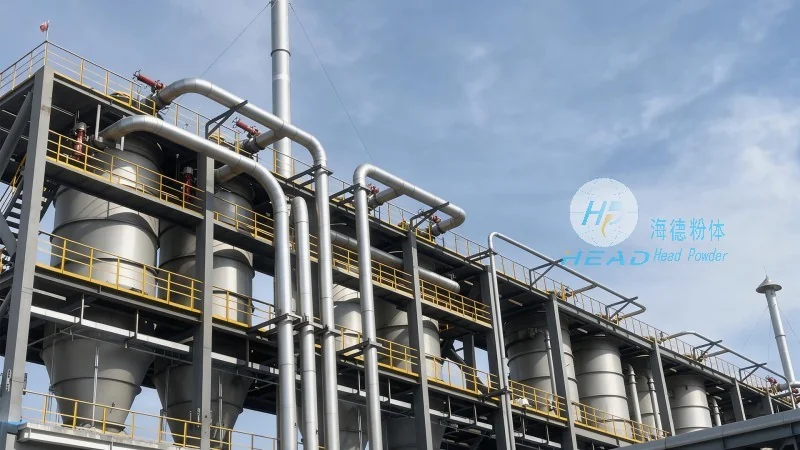
Working Principle of the Pneumatic Conveying Equipment
The working principle of the silica powder pneumatic conveying equipment is based on the fundamental concept of fluidization and suspension. The equipment operates by creating a high-velocity air stream that lifts and transports the silica powder particles. The air flow is generated by the blower, which provides the necessary pressure to overcome the gravitational force acting on the powder particles. The key to efficient conveying is maintaining the powder in a suspended state, where the air velocity is sufficient to keep the particles from settling but not so high as to cause excessive wear or damage to the equipment components. The system also incorporates features to manage static electricity, which is a common issue with fine powders like silica, to prevent material buildup and ensure safe operation.
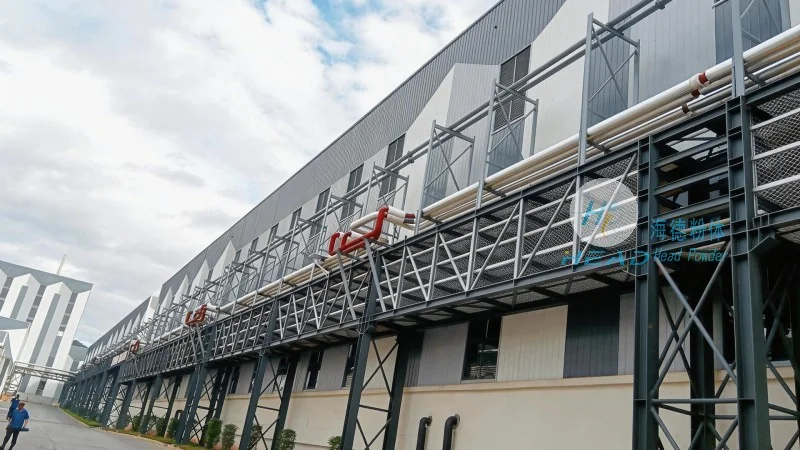
Advantages of Using Pneumatic Conveying for Silica Powder
Implementing pneumatic conveying equipment for silica powder offers several advantages over traditional mechanical conveying methods. First, it eliminates the need for moving parts that can cause contamination or product degradation, ensuring that the silica powder remains in its original state. Second, the system provides a dust-free and clean conveying process, which is critical for applications where product purity is paramount. Third, the equipment is highly flexible, allowing for changes in conveying distance or volume without significant modifications. Additionally, the system can be integrated with other processing equipment, such as mixers or reactors, to create a seamless production line. The equipment from Shandong HeadPowder Engineering Co., Ltd. is designed to maximize these advantages, providing reliable and efficient transport of silica powder while minimizing operational costs.
Conclusion
In conclusion, the pneumatic conveying equipment for silica powder from Shandong HeadPowder Engineering Co., Ltd. represents a sophisticated solution for handling fine materials in industrial applications. By understanding the operation process and working principles of such equipment, users can optimize their material transport systems, ensuring efficiency, product quality, and operational safety. The equipment is engineered to meet the specific demands of silica powder, providing a reliable and effective means of conveying this important industrial material.




