

Operation Process and Working Principle of Poultry Seasoning Material Pneumatic Conveying Equipment
Headpowder, a leading manufacturer based in Shandong, China, specializes in the design and production of advanced pneumatic conveying systems tailored for the handling of poultry seasoning materials. These systems are critical in modern food processing facilities, ensuring efficient, hygienic, and reliable transport of raw ingredients and finished products within the poultry seasoning production line.
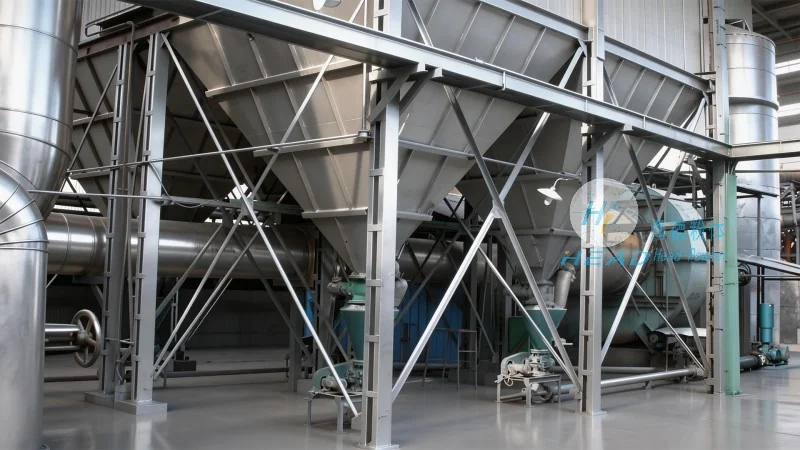
Overview of Pneumatic Conveying Systems for Poultry Seasoning
Pneumatic conveying equipment is a key component in the poultry seasoning manufacturing process, facilitating the movement of materials such as spices, seasonings, and other additives from storage silos to processing equipment, or from production lines to packaging stations. The technology offers significant advantages over traditional mechanical conveying methods, including reduced contamination risk, lower maintenance requirements, and the ability to handle a wide range of material types with varying particle sizes and moisture content.
The Working Principle of Pneumatic Conveying
The core of a pneumatic conveying system is the use of compressed air or vacuum to move materials through a network of pipes. In a typical pressure system, air is forced into a hopper containing the poultry seasoning material, creating a pressure differential that propels the material forward. The air and material mixture travels through the pipeline, often passing through a series of bends and filters to maintain flow efficiency and prevent blockages. At the discharge point, a separator or cyclone separates the material from the air, allowing the product to be collected in a designated container while the air is either vented or recirculated.
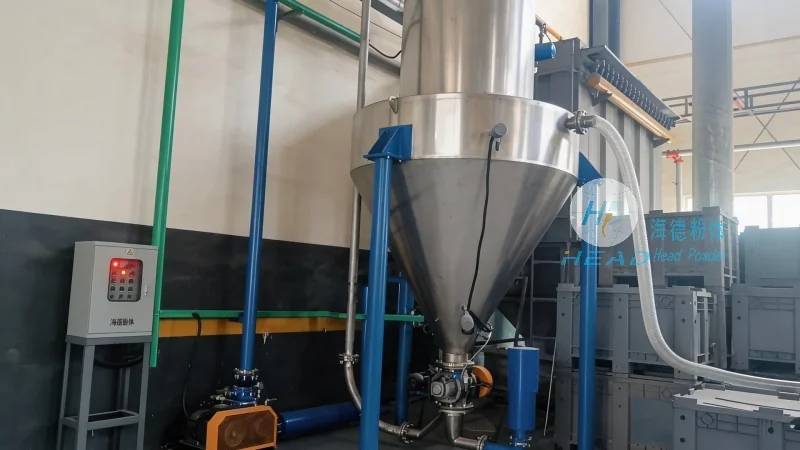
Step-by-Step Operation Process
The operation of a pneumatic conveying system for poultry seasoning materials involves several key stages, each designed to ensure optimal performance and material integrity. The process begins with the loading of the material into the hopper or silo. A feeder, such as a rotary valve or screw feeder, controls the flow rate of the material into the conveying line. Compressed air is then introduced into the system, either at the hopper or along the pipeline, to create the necessary pressure or vacuum for material transport.
As the material is drawn or pushed through the pipes, it is carried by the air stream. The velocity of the air is crucial; it must be sufficient to keep the material suspended and prevent settling or blockages. The system may include intermediate pulse jets or air cannons to clear any potential obstructions and maintain consistent flow. Upon reaching the destination, the material is discharged into a receiving vessel, such as a mixer or packaging hopper.
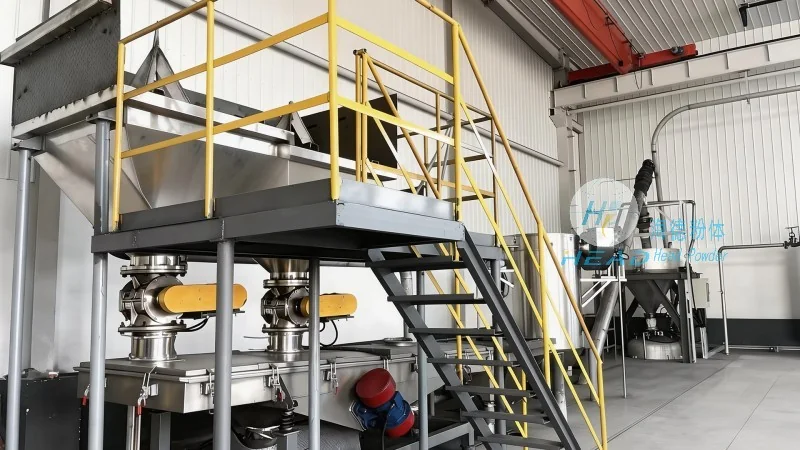
Key Components and Their Functions
Several critical components work in tandem to ensure the smooth operation of the pneumatic conveying system. The hopper or silo serves as the storage and feeding unit, where the poultry seasoning material is held before being introduced into the system. The feeder regulates the material flow, preventing overloading or underflow that could disrupt the conveying process. The air compressor or vacuum pump provides the necessary pressure or suction to move the material. The pipeline network, typically made of stainless steel or other corrosion-resistant materials, is designed to withstand the pressures and temperatures associated with the conveying process. The separator or cyclone is essential for separating the material from the air, ensuring that the product remains clean and free from contaminants. Finally, the control system monitors and adjusts the air pressure, flow rate, and material feed to maintain optimal performance.
Advantages of Using Pneumatic Conveying for Poultry Seasoning
Implementing pneumatic conveying systems in poultry seasoning production offers numerous benefits. Firstly, the technology provides a hygienic and clean environment, as the material is enclosed within the pipeline, minimizing exposure to contaminants and reducing the risk of cross-contamination. This is particularly important in food processing, where product safety and quality are paramount. Secondly, pneumatic conveying systems are highly efficient, capable of handling large volumes of material with minimal downtime. The ability to transport materials over long distances without the need for multiple transfer points or manual handling reduces labor costs and improves overall productivity. Additionally, the system is flexible, allowing for easy integration with existing production lines and the ability to adapt to changes in production volume or material type.
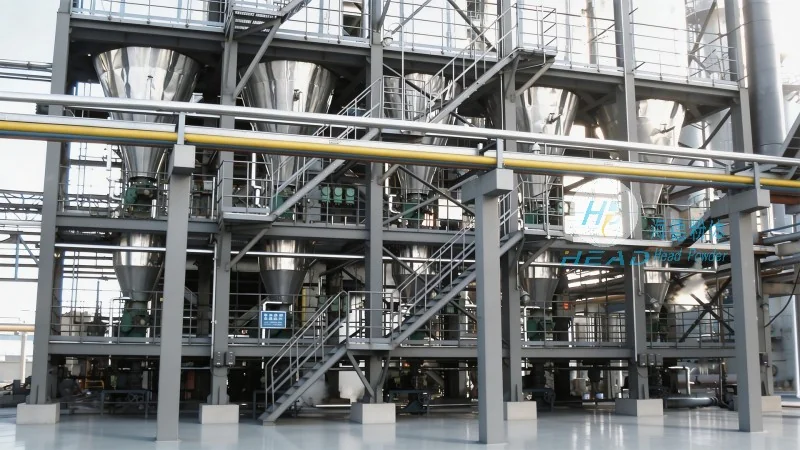
Application in Poultry Seasoning Manufacturing
Pneumatic conveying equipment is widely used in various stages of poultry seasoning production. For example, in the initial processing stage, it can transport raw spices and seasonings from storage silos to mixing equipment. During the production of the seasoning blend, the system can move the mixed ingredients from the mixer to the packaging line. In the final packaging stage, it can convey the finished product from the production line to the packaging machine or storage area. The versatility of the system makes it suitable for both small-scale and large-scale production facilities, catering to the diverse needs of the poultry seasoning industry.
Conclusion and Company Profile
Headpowder Engineering Co., Ltd., located in Shandong, China, is a trusted provider of high-quality pneumatic conveying systems for poultry seasoning materials. With years of experience in the food processing industry, the company has developed advanced solutions that meet the stringent requirements of modern manufacturing. By leveraging the principles of pneumatic conveying, Headpowder ensures that poultry seasoning manufacturers can achieve efficient, reliable, and hygienic material handling, ultimately enhancing product quality and operational efficiency. For businesses seeking to optimize their poultry seasoning production processes, Headpowder offers tailored solutions that address specific material handling challenges and contribute to overall operational excellence.