When it comes to transporting corn powder efficiently and reliably, pneumatic conveying systems have emerged as a preferred solution in the agricultural and food processing industries. These systems utilize the principles of fluid dynamics to move solid particles through a pipeline using a gas stream, typically air. For applications involving corn powder, such as in feed production, food processing, or storage, the design and operation of a pneumatic conveying system are critical to maintaining product quality and operational efficiency. This article delves into the operation process and working principle of a corn powder pneumatic conveying system, highlighting the key stages and underlying mechanisms that ensure effective material transport.
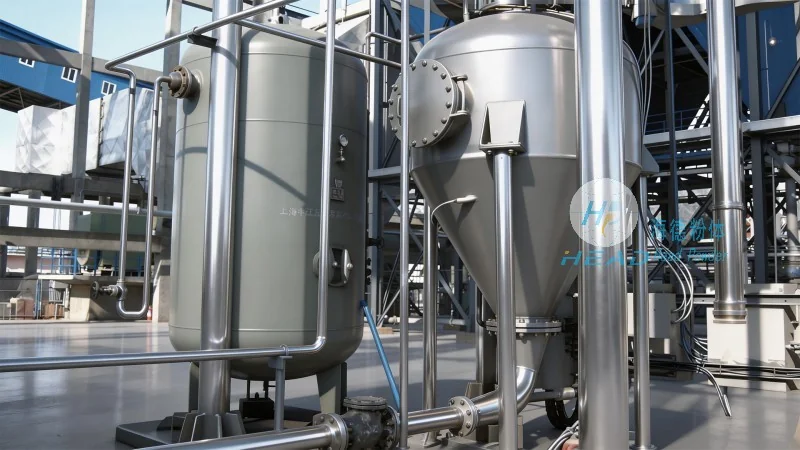
The Operation Process of Corn Powder Pneumatic Conveying System
The operation process of a corn powder pneumatic conveying system involves a series of coordinated steps that ensure the smooth and continuous movement of the powder from the source to the destination. The process typically begins with the storage of corn powder in a hopper or silo. The hopper is equipped with a feeder, such as a rotary valve or screw feeder, which regulates the flow rate of the powder into the conveying line. This step is crucial to prevent overloading the system and to maintain a consistent feed rate.
Once the powder is fed into the system, the next stage involves the generation of the necessary pressure or vacuum to move the material. In positive pressure systems, a high-pressure air compressor supplies compressed air to the pipeline, creating a pressure differential that pushes the powder forward. The air velocity within the pipeline is carefully controlled to ensure that the powder particles are fully suspended and transported without settling or clogging. The conveying line may include various components such as elbows, bends, and straight sections, each designed to maintain the flow and minimize pressure losses.
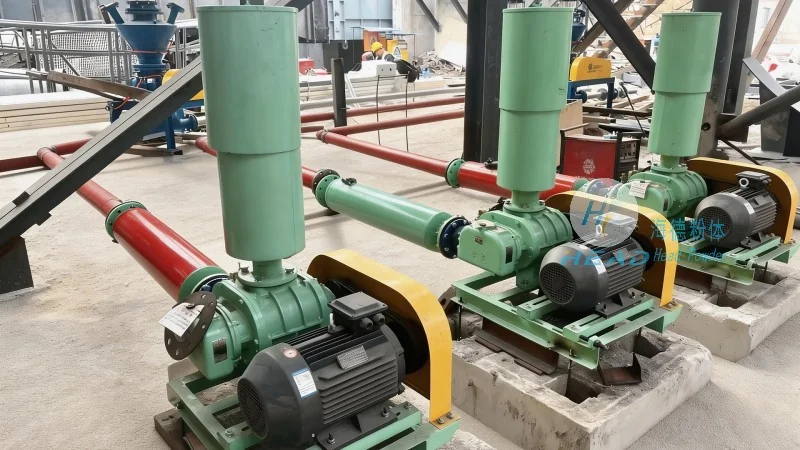
As the corn powder travels through the pipeline, it may encounter filters or cyclones that separate the powder from the air. These components are essential to prevent dust accumulation in the system and to maintain the purity of the powder. The separated powder is then directed to the discharge point, which is typically a receiver or a storage bin at the destination. The discharge valve or receiver controls the release of the corn powder, ensuring that it is delivered in a controlled manner without spillage or loss.
The entire operation process is monitored and controlled by a system of sensors and controls. These components track parameters such as pressure, flow rate, and temperature, providing real-time feedback to the operator. This allows for adjustments to be made as needed to maintain optimal performance and prevent issues such as blockages or overpressure.
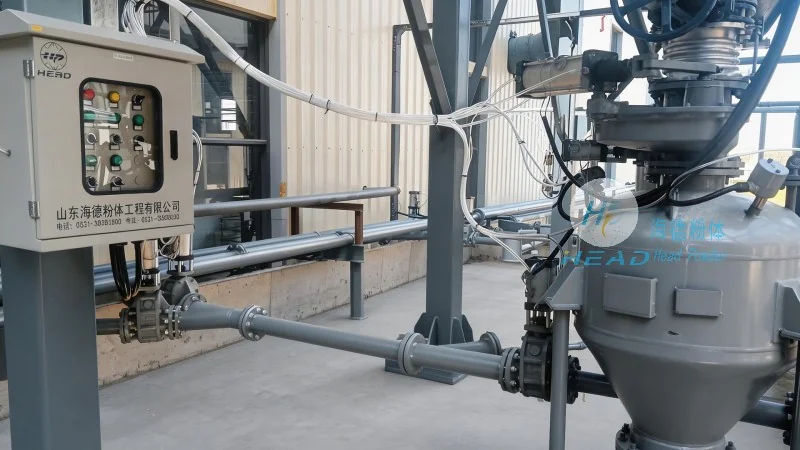
Working Principle of the Pneumatic Conveying System
The working principle of a corn powder pneumatic conveying system is based on the fundamental concept of fluidization and suspension of solid particles in a gas stream. The system operates by creating a pressure differential between the inlet and outlet of the pipeline, which causes the corn powder to be entrained and transported by the air. There are two primary types of pneumatic conveying systems: positive pressure and negative pressure.
In positive pressure systems, compressed air is introduced into the conveying line at a high pressure, typically ranging from 0.5 to 2 bar. The air velocity is maintained at a level that is sufficient to keep the corn powder particles suspended, usually between 20 to 40 meters per second. The pressure differential created by the compressor forces the powder through the pipeline, with the air acting as the carrier medium. The system is often used for short to medium distances, typically up to several hundred meters.
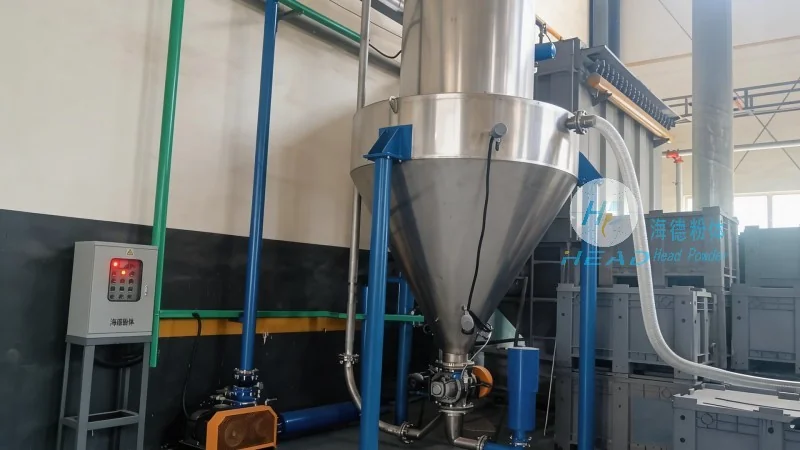
Negative pressure systems, on the other hand, use a vacuum pump to create a low pressure at the inlet of the pipeline, drawing the corn powder into the line. The air is then exhausted from the system, carrying the powder with it. This type of system is commonly used for longer distances, as the vacuum can maintain the flow over greater distances without the need for high-pressure air. The air velocity in negative pressure systems is typically lower than in positive pressure systems, but the vacuum level is more critical to ensure effective conveying.
The design of the pneumatic conveying system, including the size of the pipeline, the particle size distribution of the corn powder, and the required flow rate, all influence the system's performance. For corn powder, which typically has a particle size ranging from 0.1 to 2 millimeters, the system must be designed to handle these particles without causing excessive pressure drop or clogging. The choice of materials for the pipeline, such as stainless steel or polyethylene, is also important to prevent corrosion and ensure durability.




