

Operation Process and Working Principle of Red Mud Powder Pneumatic Conveying System
Red mud, a byproduct of bauxite processing in the aluminum industry, poses significant challenges in handling and transportation due to its fine particle size and abrasive nature. The pneumatic conveying system offers an efficient solution for transporting red mud powder from production sites to processing or disposal facilities. This article details the operational process and underlying principles of such a system, highlighting its advantages and technical considerations.
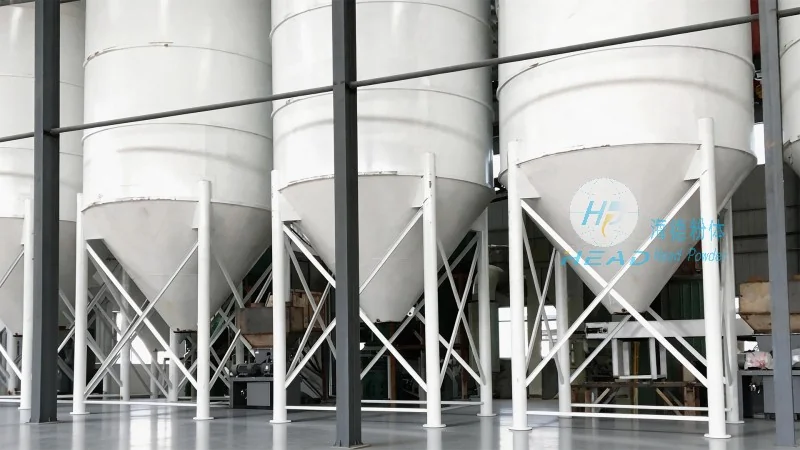
Company Overview: Shandong HeadPowder Engineering Co., Ltd.
HeadPowder, a leading engineering firm based in Shandong, China, specializes in the design, manufacturing, and installation of advanced material handling systems. With a focus on industrial efficiency and sustainability, the company has developed specialized solutions for handling challenging materials like red mud. Their expertise in pneumatic conveying technology ensures reliable and cost-effective operations for clients in the aluminum and related industries.
Key Components of the Pneumatic Conveying System
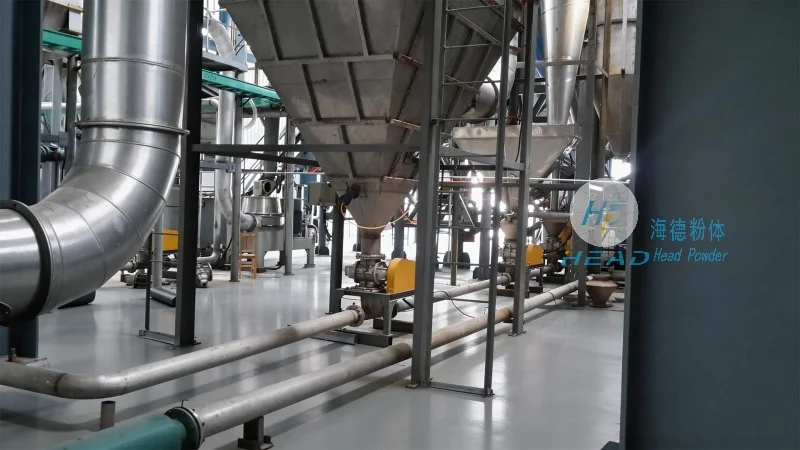
The red mud powder pneumatic conveying system typically consists of several critical components that work in tandem to achieve efficient material transport. These include the material feed hopper, air compressor, conveying pipeline, control valves, and dust collection system. Each component plays a vital role in maintaining the system's performance and ensuring safe operation.
Operation Process: Step-by-Step Overview
The operational process of the red mud powder pneumatic conveying system involves several key steps. First, red mud powder is fed into the material hopper from the production line. The hopper is equipped with a feeder that regulates the flow rate of the material. Next, the air compressor generates high-pressure air, which is then introduced into the conveying pipeline. The air and red mud particles are mixed and transported through the pipeline under pressure. At the receiving end, the system separates the air from the material, typically using a cyclone separator or a bag filter, and deposits the red mud into the designated storage or processing area.
Working Principle: How the System Transports Red Mud
The working principle of the pneumatic conveying system relies on the kinetic energy of compressed air to move the fine red mud particles. When air is introduced into the pipeline at a high velocity, it creates a flow that entrains the powder particles, forming a slurry-like mixture. The pressure differential between the feed and discharge points drives the material forward. The system can operate in either positive pressure or negative pressure modes, depending on the application requirements. Positive pressure systems are common for long-distance or high-capacity transport, while negative pressure systems are suitable for short distances or when dust control is a priority.
Advantages of the Red Mud Powder Pneumatic Conveying System
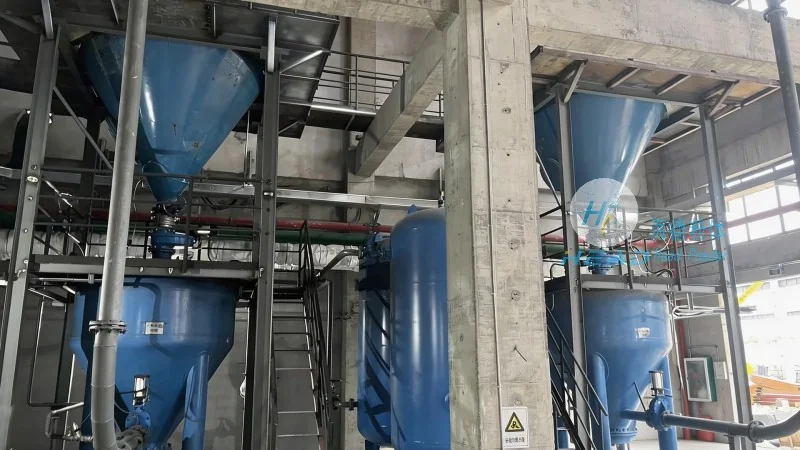
Implementing a pneumatic conveying system for red mud offers several advantages over traditional methods like trucks or conveyor belts. These include reduced labor costs, minimized environmental impact by eliminating dust emissions during transport, and improved safety by containing the material within a closed system. Additionally, the system allows for precise control over material flow rates, ensuring consistent processing at the receiving end. The compact design of the equipment also saves space in industrial facilities, making it ideal for sites with limited area.
Technical Considerations and Maintenance
While the pneumatic conveying system is efficient, proper maintenance and technical considerations are essential for long-term performance. Regular checks of the air compressor and pipeline for wear and tear are necessary to prevent breakdowns. The material feed system should be adjusted to maintain consistent flow rates, as fluctuations can affect the system's efficiency. Additionally, the dust collection system must be regularly cleaned to prevent clogging and ensure effective filtration. HeadPowder provides comprehensive support, including maintenance services and technical guidance, to ensure the system operates at optimal levels.