

Operation Process and Working Principle of Sodium Carbonate Powder Pneumatic Conveying System
Shandong HeadPowder Engineering Co., Ltd. specializes in the design, manufacturing, and installation of advanced pneumatic conveying systems tailored for the handling of sodium carbonate powder. This article provides a detailed overview of the operation process and working principles of such systems, highlighting the technical aspects and practical applications that make them efficient and reliable in industrial settings.
Company Overview: HeadPowder Engineering
HeadPowder Engineering, based in Shandong, China, is a leading provider of engineering solutions for bulk material handling. With a focus on innovation and precision, the company has developed expertise in pneumatic conveying technologies, ensuring that their systems meet the highest standards of performance and safety for clients in various industries. The company’s commitment to quality and customer satisfaction is reflected in the robust design and reliable operation of their sodium carbonate powder conveying systems.
Overview of the Pneumatic Conveying System
The sodium carbonate powder pneumatic conveying system is a closed-loop system that utilizes air or gas to transport dry powder materials from one location to another. This method is particularly effective for handling sodium carbonate, a widely used chemical in industries such as glass manufacturing, paper production, and chemical processing. The system typically consists of several key components, including a material feed hopper, a conveying line, a control unit, and a dust collection system, all working in tandem to ensure efficient and safe material transport.
Operation Process of the System
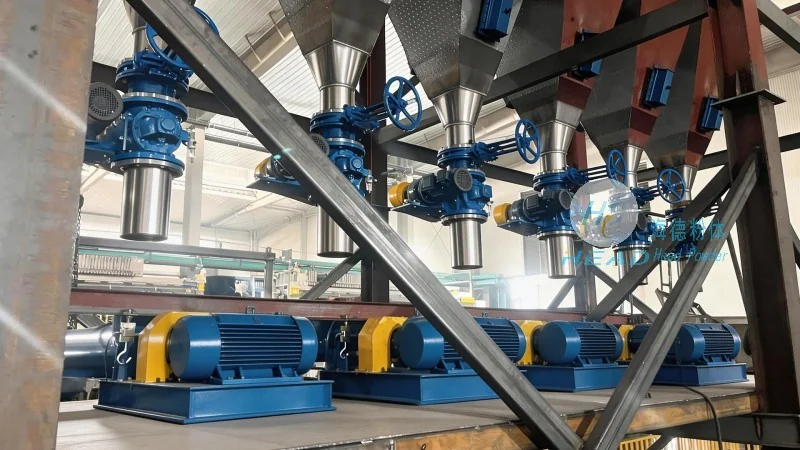
The operation process of the sodium carbonate powder pneumatic conveying system involves several sequential steps. First, the sodium carbonate powder is fed into the material hopper from a storage silo or bulk container. The hopper is equipped with a feeder mechanism, such as a rotary valve or a screw conveyor, which regulates the flow of powder into the conveying line. Once the powder is in the hopper, the control unit activates the air compressor, which generates the necessary pressure and flow rate of air to transport the powder through the pipeline.
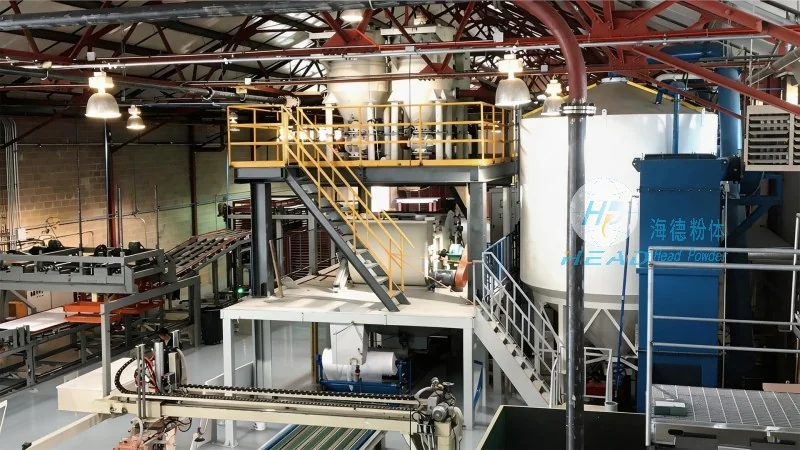
As the air and powder mixture travels through the conveying line, the powder particles are suspended and carried to the destination point, such as a storage tank, processing unit, or packaging area. The conveying line is designed with appropriate bends and fittings to maintain the flow of the mixture without causing blockages or excessive pressure drops. At the receiving end, a separator or cyclone is used to separate the powder from the air, allowing the powder to be discharged into the target container while the air is either recirculated or vented to the atmosphere.
Working Principle of the System
The working principle of the pneumatic conveying system is based on the principle of fluidization and suspension of the powder particles in the air stream. When air is introduced into the conveying line at a sufficient velocity, it creates a low-pressure zone that draws the powder particles into the air flow. The powder particles are then suspended in the air, forming a dense phase or dilute phase mixture, depending on the operating conditions. The key factors affecting the system's performance include the air velocity, pressure, and the properties of the sodium carbonate powder, such as particle size, density, and moisture content.
The system operates under either positive pressure or negative pressure (suction) mode. In positive pressure systems, the air compressor pushes the air and powder mixture through the pipeline, ensuring a continuous flow. In negative pressure systems, the air is drawn from the conveying line by a vacuum pump, creating a suction effect that pulls the powder into the line. Both modes are used depending on the distance and layout of the conveying system, with positive pressure being more common for long-distance and high-capacity applications.
Key Components and Their Functions
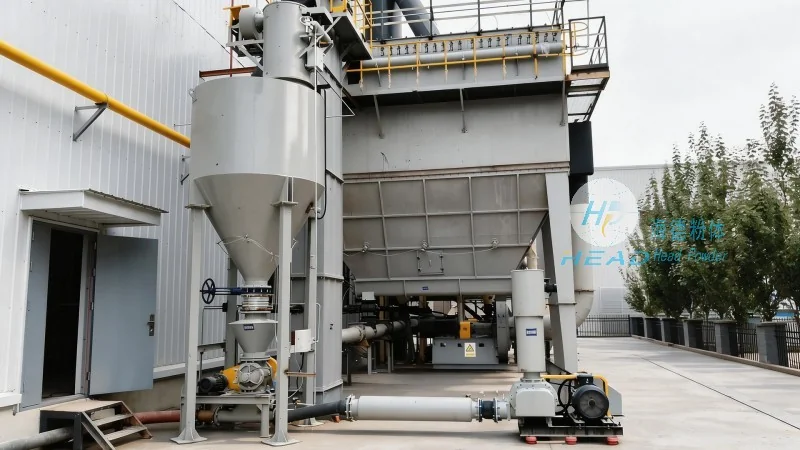
Several critical components are integral to the efficient operation of the sodium carbonate powder pneumatic conveying system. The material feed hopper is responsible for storing and feeding the powder into the system, with a feeder mechanism that controls the flow rate to match the conveying capacity. The air compressor or blower provides the necessary air pressure and flow rate to transport the powder. The conveying line, typically made of stainless steel or other corrosion-resistant materials, ensures the safe and efficient transport of the powder and air mixture. The control unit monitors and regulates the system's operation, adjusting the air pressure and flow rate as needed to maintain optimal performance. The dust collection system, including cyclones or filters, separates the powder from the air and prevents dust emissions, ensuring compliance with environmental regulations and maintaining a clean working environment.
Advantages of the Pneumatic Conveying System
The use of a pneumatic conveying system for sodium carbonate powder offers several advantages over traditional methods such as belt conveyors or bucket elevators. First, the system is a closed-loop operation, which minimizes dust emissions and improves safety in the workplace. This is particularly important for sodium carbonate, which can cause respiratory issues if inhaled in large quantities. Second, the system is highly efficient in terms of material transport, as it can handle large volumes of powder with minimal energy consumption. Third, the system is flexible and can be easily adapted to different layouts and distances, making it suitable for various industrial applications. Additionally, the system reduces the risk of material contamination and damage, as the powder is not exposed to external elements during transport.
Application Examples
The sodium carbonate powder pneumatic conveying system is widely used in various industries where sodium carbonate is a key raw material. For example, in the glass manufacturing industry, the system is used to transport sodium carbonate from storage silos to the glass melting furnaces, ensuring a consistent and reliable supply of the material. In the paper industry, the system is used to convey sodium carbonate to the paper machines, where it is used as a filler or sizing agent. In the chemical processing industry, the system is used to transport sodium carbonate between different processing units, such as reactors and storage tanks. These applications demonstrate the versatility and effectiveness of the system in meeting the material handling needs of various industries.