HeadPowder, a leading enterprise in the field of powder handling technology, specializes in the design, manufacturing, and integration of advanced weighing feeding and pneumatic conveying systems. This article provides a detailed overview of the operation process and working principle of such systems, highlighting the key components, control mechanisms, and operational efficiency they offer to industrial applications.
System Overview and Core Components
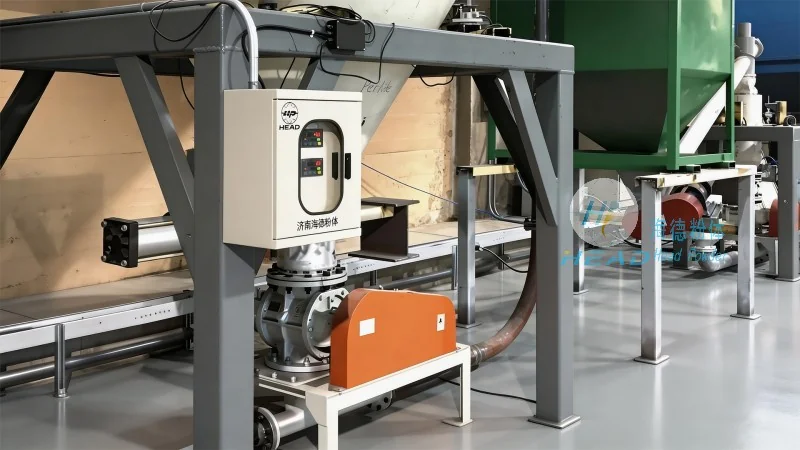
The weighing feeding powder pneumatic conveying system is engineered to handle bulk powders with precision and reliability. At its core, the system comprises several critical components that work in synergy to ensure accurate material flow and efficient transport. These include a weighing feeder, a pneumatic conveying line, a control panel, and auxiliary equipment such as filters and silos. Each component plays a vital role in maintaining the system's performance and ensuring consistent product quality.
Working Principle of the Weighing Feeding System
The weighing feeding system operates by precisely measuring and controlling the flow rate of bulk materials. The process begins with the material being fed from a storage silo into the weighing hopper. The hopper is equipped with load cells that continuously monitor the weight of the material inside. As the material accumulates, the system calculates the exact amount based on the weight data. Once the desired weight is reached, the feeder activates, releasing the material into the pneumatic conveying line. This closed-loop control ensures that the feeding process is highly accurate, minimizing material waste and optimizing production efficiency.
Operation Process of the Pneumatic Conveying System
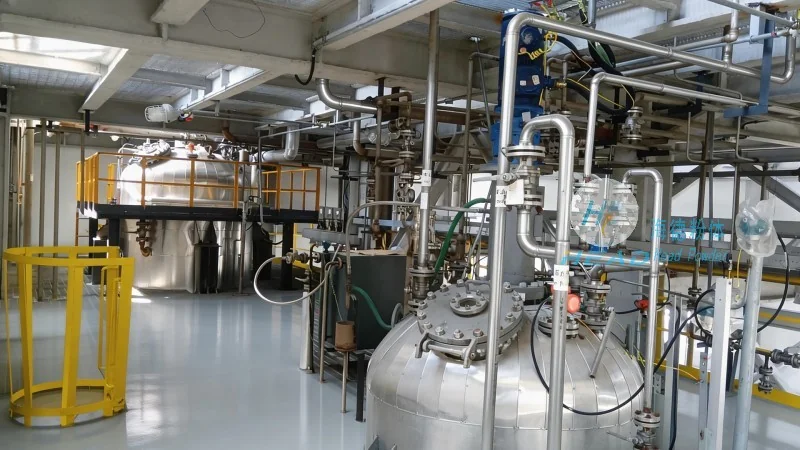
After the material is fed into the conveying line, the pneumatic conveying system takes over. This system utilizes compressed air to transport the powder from the feeding point to the discharge point. The conveying line typically consists of pipes, a blower or compressor, and a discharge hopper. The compressed air creates a pressure differential that propels the powder particles through the pipeline. The system's design, including the type of air flow (positive or negative pressure), the pipe diameter, and the length of the conveying line, is tailored to match the specific characteristics of the powder being handled, such as particle size, density, and moisture content. This ensures that the material is transported smoothly without clogging or degradation.
Control and Monitoring Mechanisms
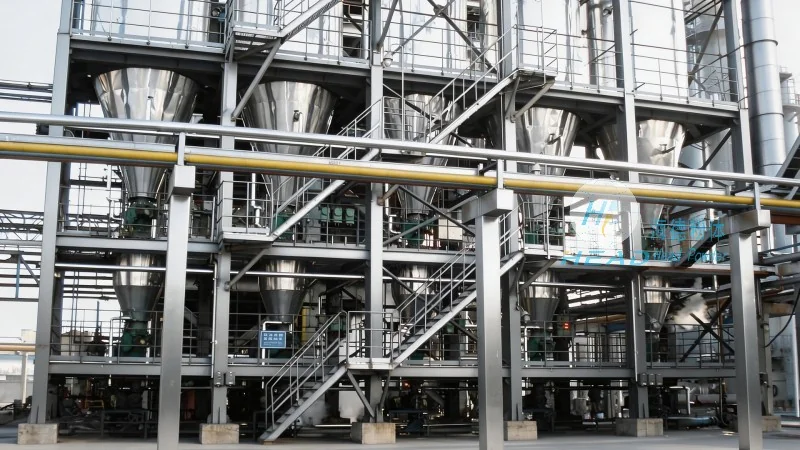
Modern weighing feeding powder pneumatic conveying systems are equipped with advanced control and monitoring systems. These systems use sensors and software to track the weight of the material, the flow rate of air, and the pressure within the conveying line. Real-time data is displayed on the control panel, allowing operators to monitor the system's performance and make adjustments as needed. The control system also includes safety features, such as overload protection and automatic shutdown in case of abnormal conditions, ensuring the system operates safely and reliably. This integration of technology enhances the overall efficiency and reduces downtime, making it suitable for continuous industrial operations.
Benefits and Applications
The weighing feeding powder pneumatic conveying system offers numerous benefits to industrial processes. Its ability to provide precise material measurement and controlled transport reduces material loss and improves product consistency. The system is particularly advantageous in industries such as pharmaceuticals, food processing, and chemical manufacturing, where product purity and quality are critical. Additionally, the system's flexibility allows it to handle a wide range of powder types, from fine powders to bulk materials, making it a versatile solution for various applications. By optimizing material handling, the system enhances productivity and reduces operational costs, contributing to the overall success of industrial operations.




