

Operation Process and Working Principle of High-Pressure Powdered Material Pneumatic Conveying Syste
High-pressure powdered material pneumatic conveying systems are pivotal in modern industrial operations, offering efficient and reliable methods for transporting bulk powders over extended distances. These systems are widely utilized across sectors such as pharmaceuticals, food processing, and chemical manufacturing due to their ability to handle sensitive materials with minimal degradation. The technology underpinning these systems integrates advanced engineering with precise control mechanisms to ensure optimal performance and safety.
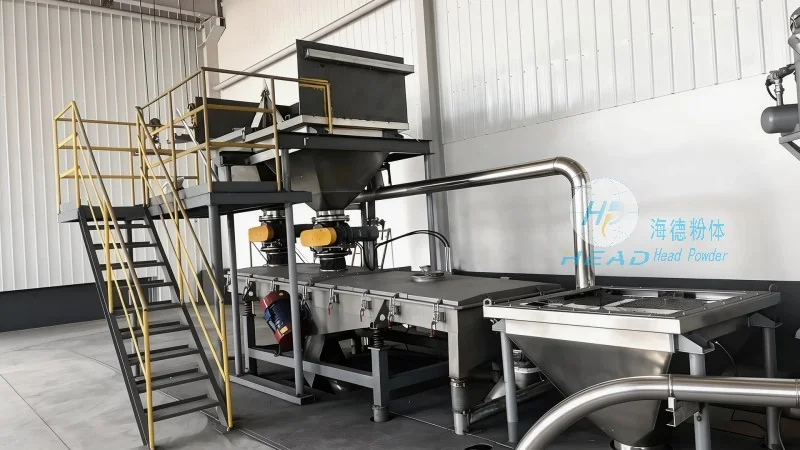
Introduction to High-Pressure Powdered Material Pneumatic Conveying Systems
HeadPowder, a leading provider of engineering solutions, specializes in the design, manufacturing, and installation of high-pressure pneumatic conveying systems. With a strong presence in Shandong, China, the company leverages decades of industry experience to deliver customized solutions tailored to specific client needs. The systems developed by HeadPowder are built to meet stringent quality standards and operational requirements, ensuring durability and efficiency in diverse industrial environments.
Working Principle of the High-Pressure Pneumatic Conveying System
The core working principle of a high-pressure powdered material conveying system involves the use of compressed air or other gases to create a flow that transports powders through a pipeline. In a typical setup, a high-pressure air compressor generates the necessary pressure, which is then introduced into the conveying line. The air, under high pressure, draws the powder particles into the pipeline, forming a dense phase flow. This method allows for the efficient transport of powders without the need for mechanical components like belts or buckets, reducing maintenance and operational costs.
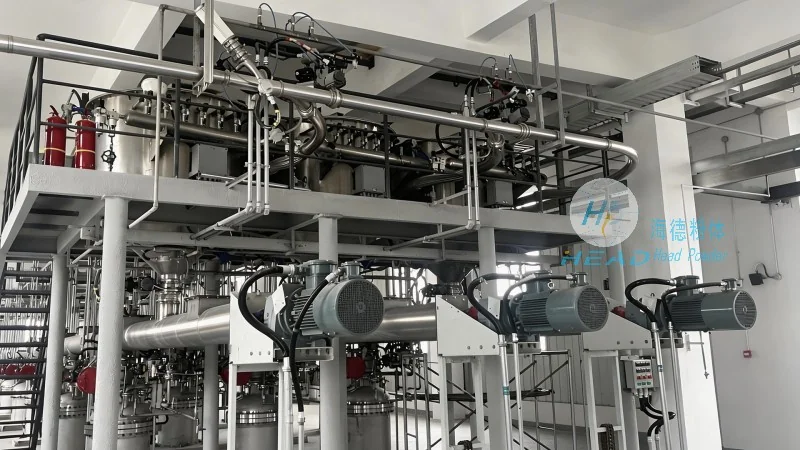
Step-by-Step Operation Process
The operation of a high-pressure pneumatic conveying system follows a systematic process that ensures smooth and continuous material transport. The process begins with the loading of the powder into the hopper or storage silo. The powder is then fed into the conveying line through a feeder, which controls the flow rate to match the system's capacity. As the high-pressure air is introduced, it creates a suction effect that pulls the powder particles into the pipeline. The mixture of air and powder travels through the pipeline to the discharge point, where the air is separated from the powder, typically using a cyclone or filter system. The separated powder is then collected in the receiving hopper, while the air is either recycled or vented to the atmosphere.
Key Components and Their Functions
Several critical components work in tandem to ensure the efficient operation of a high-pressure pneumatic conveying system. The air compressor is the primary source of power, generating the high-pressure air required for conveying. The feeder regulates the powder flow, preventing blockages and maintaining consistent material transport. The conveying line, often made of stainless steel or other corrosion-resistant materials, ensures the safe and reliable transport of the powder-air mixture. The cyclone separator or filter system is essential for separating the powder from the air, allowing for the recovery of the material and the removal of any contaminants. Additionally, control valves and sensors are used to monitor and adjust the system's performance in real-time, ensuring optimal operation and preventing issues such as overpressure or material buildup.
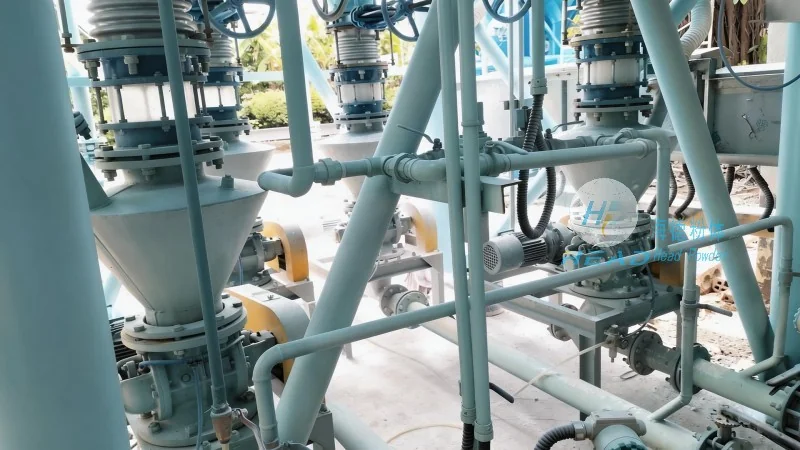
Applications and Benefits in Industrial Settings
High-pressure powdered material pneumatic conveying systems are versatile and find applications in a wide range of industries. In the pharmaceutical industry, these systems are used to transport sensitive powders, ensuring that the materials remain uncontaminated and intact. In food processing, they facilitate the handling of powders like flour and sugar, maintaining hygiene and preventing cross-contamination. The chemical industry also benefits from these systems, as they can handle abrasive and corrosive powders without causing wear or damage to the equipment. The key benefits of high-pressure pneumatic conveying include reduced labor costs, increased production efficiency, and improved material handling safety. By eliminating the need for manual handling and mechanical conveyors, these systems minimize the risk of accidents and improve overall operational reliability.
Customization and Service by HeadPowder
HeadPowder understands that each industrial application has unique requirements, which is why the company offers customized high-pressure pneumatic conveying solutions. The engineering team at HeadPowder works closely with clients to assess their specific needs, including material characteristics, transport distances, and operational constraints. This collaborative approach ensures that the final system is optimized for performance and cost-effectiveness. Additionally, HeadPowder provides comprehensive after-sales services, including maintenance, repair, and technical support, to ensure the long-term reliability of the systems. With a commitment to quality and customer satisfaction, HeadPowder has established itself as a trusted partner in the field of material handling solutions.