Sodium dithionite, a critical chemical reagent widely used in industries such as textile, food processing, and water treatment, presents unique challenges during bulk transport due to its hygroscopic and oxidative properties. Traditional methods like belt conveyors or bucket elevators often struggle to maintain product integrity, as the material can absorb moisture from the air or degrade when exposed to oxygen. To address these issues, pneumatic conveying systems offer a reliable solution that ensures safe, dust-free, and efficient handling of sodium dithionite. This technology involves transporting the material through a pipeline using compressed air, creating a closed system that minimizes environmental impact and product loss.
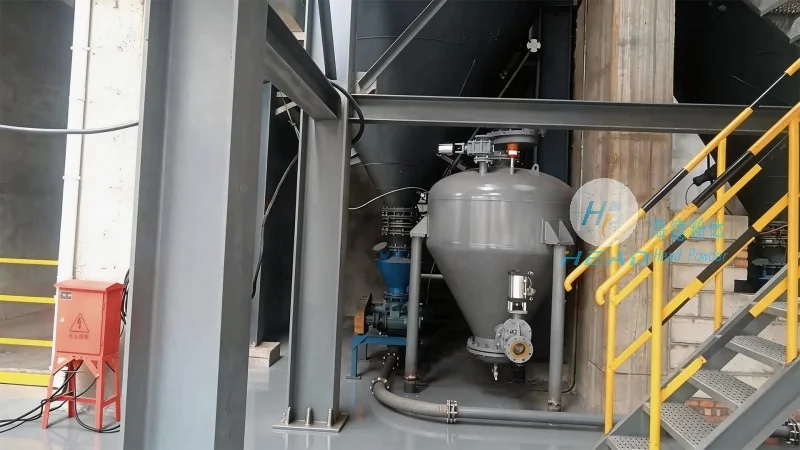
Pneumatic Conveying Systems for Sodium Dithionite: Key Advantages
HeadPowder, a leading engineering company based in Shandong, China, specializes in designing and implementing advanced pneumatic conveying solutions tailored for sodium dithionite applications. The company’s expertise lies in selecting the appropriate conveying type—such as dilute-phase or dense-phase systems—based on the specific requirements of the client, including distance, flow rate, and product sensitivity. For sodium dithionite, which is highly sensitive to moisture and oxidation, dense-phase conveying is often preferred, as it maintains a higher material-to-air ratio, reducing exposure to ambient conditions and preserving the product’s quality. The closed-loop design of these systems also helps in controlling dust emissions, ensuring compliance with environmental regulations and workplace safety standards.
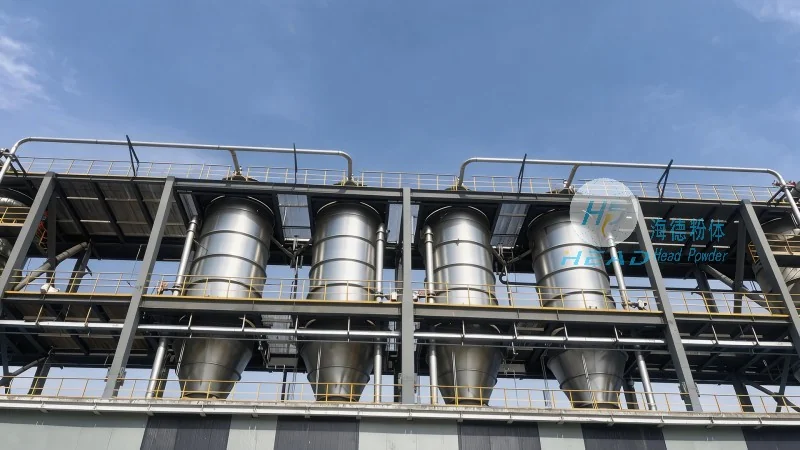
Customized Solutions by HeadPowder Engineering
Shandong HeadPowder Engineering Co., Ltd. (HeadPowder) provides customized pneumatic conveying systems that integrate seamlessly with existing production lines or new facilities. The company’s approach involves a thorough analysis of the client’s operational needs, including the volume of sodium dithionite to be handled, the distance between storage and processing areas, and the required flow rate. By leveraging local expertise and advanced engineering capabilities, HeadPowder designs systems that optimize energy consumption while maximizing efficiency. For example, the company may recommend a combination of rotary airlocks, cyclone separators, and dust collectors to ensure smooth material flow and minimal downtime. The engineering team at HeadPowder also considers factors such as the material’s particle size and density, as these characteristics influence the selection of components like pumps, valves, and pipelines.
Ensuring Product Integrity and Safety
One of the primary concerns in handling sodium dithionite is maintaining its chemical stability. Pneumatic conveying systems, when properly designed and maintained, offer a controlled environment that reduces the risk of degradation. HeadPowder’s systems are equipped with features such as temperature control and moisture barriers to further protect the product. Additionally, the company emphasizes safety in its designs, incorporating explosion-proof components and emergency shut-off mechanisms to prevent accidents in case of system failures. This commitment to safety aligns with industry standards and ensures that the handling process is both efficient and secure.
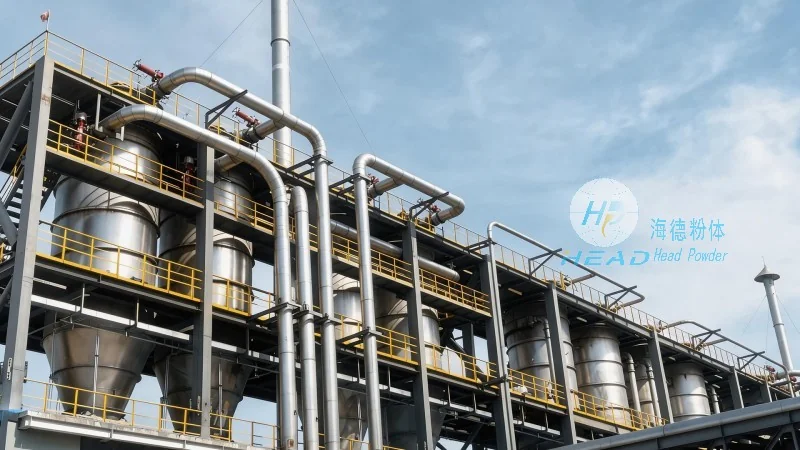
Case Studies and Real-World Applications
HeadPowder has successfully implemented pneumatic conveying systems for sodium dithionite in various industrial settings. For instance, a textile manufacturer in Shandong reduced material loss by 30% and improved production efficiency by 20% after adopting a dense-phase pneumatic conveying system designed by HeadPowder. Similarly, a water treatment plant in the region enhanced its operational capacity by 25% by integrating a custom-built system that minimized downtime and ensured consistent product quality. These case studies highlight the effectiveness of pneumatic conveying in improving the overall performance of sodium dithionite handling processes.




