Calcium chloride is a widely used industrial chemical with diverse applications across various sectors. The efficient and reliable transportation of this material is crucial for maintaining production efficiency and ensuring product quality. Pneumatic conveying systems have emerged as a preferred solution for handling calcium chloride, offering advantages such as dust-free operation, reduced material degradation, and enhanced safety. This article delves into the operation process and working principle of calcium chloride material pneumatic conveying equipment, highlighting the key components, operational steps, and technical aspects that contribute to its effective performance.
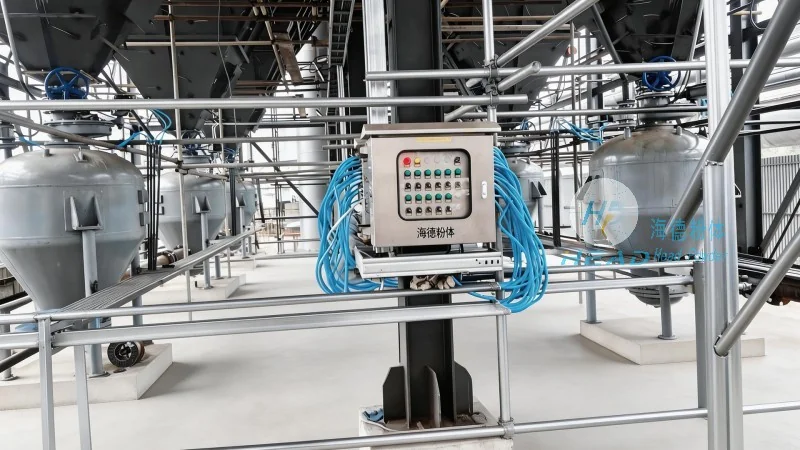
Overview of Pneumatic Conveying Systems for Calcium Chloride
Pneumatic conveying systems utilize air or gas to transport bulk materials like calcium chloride through a network of pipes. These systems are categorized into two main types: pressure and vacuum. Pressure systems operate by forcing air or gas into the conveying line under pressure, while vacuum systems create a negative pressure to draw material into the system. For calcium chloride, which is often handled in bulk quantities, pressure systems are commonly employed due to their ability to handle high material loads and long conveying distances.
Key Components of Calcium Chloride Pneumatic Conveying Equipment
The effectiveness of a pneumatic conveying system for calcium chloride depends on several critical components that work in tandem to ensure smooth operation. These components include the material hopper, which serves as the storage and feeding unit; the air compressor or blower, which provides the necessary air pressure; the conveying line, typically made of corrosion-resistant materials like stainless steel to withstand the chemical properties of calcium chloride; the control valves and regulators, which manage air flow and pressure; and the dust collection system, which captures any fine particles to prevent environmental contamination and maintain system efficiency.
Operation Process of Calcium Chloride Pneumatic Conveying Equipment
The operation process of calcium chloride pneumatic conveying equipment involves a series of sequential steps designed to move material from the storage hopper to the discharge point. Initially, the material is fed from the hopper into the conveying line using a rotary valve or feeder. Simultaneously, the air compressor generates compressed air, which is then introduced into the line. The air flow creates a pressure differential that propels the calcium chloride particles through the system. As the material travels through the conveying line, it may encounter bends, expansions, or other components that help maintain flow and prevent blockages. At the discharge end, the material is collected in a receiving hopper or silo, while the air is filtered and recycled back to the system.
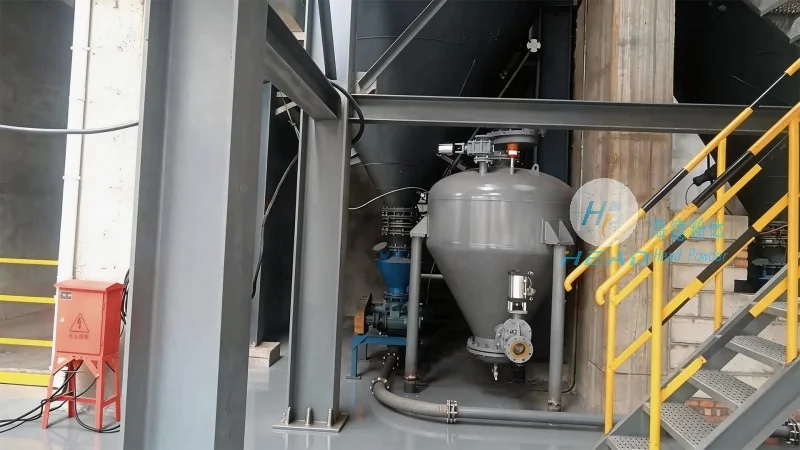
Working Principle of Calcium Chloride Pneumatic Conveying Equipment
The working principle of calcium chloride pneumatic conveying equipment is based on the fundamental concept of fluidization and drag. When compressed air is introduced into the conveying line, it creates a turbulent flow that lifts and transports the calcium chloride particles. The air velocity must be sufficient to overcome the gravitational force acting on the particles and maintain a stable suspension. This principle ensures that the material moves smoothly through the system without settling or clogging. Additionally, the system's design considers the particle size and density of calcium chloride, as these factors influence the required air pressure and flow rate for optimal conveying.
Advantages of Using Pneumatic Conveying for Calcium Chloride
Employing pneumatic conveying for calcium chloride offers several advantages over traditional methods like belt conveyors or bucket elevators. Firstly, it provides a dust-free environment, which is essential for maintaining workplace safety and compliance with environmental regulations. Secondly, the system minimizes material degradation, as the particles are not subjected to mechanical abrasion or impact during transport. Thirdly, pneumatic conveying allows for flexible and modular system designs, enabling easy integration with existing production lines and expansion as needed. Finally, the system's ability to handle both dry and wet calcium chloride applications makes it a versatile solution for various industrial processes.
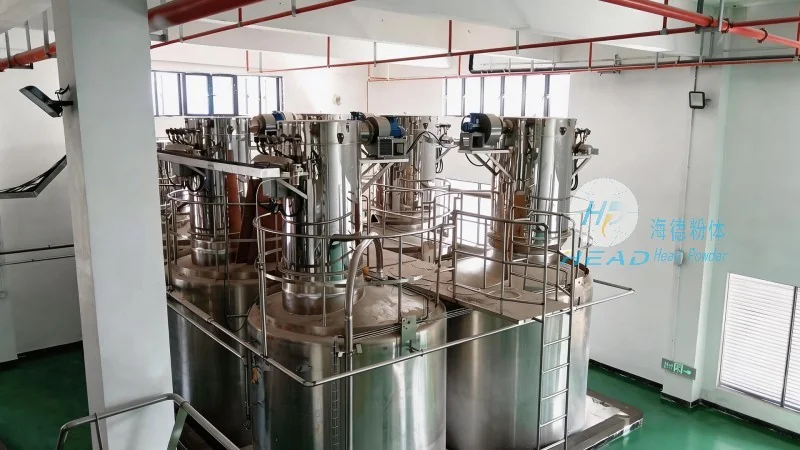
Maintenance and Operational Considerations for Calcium Chloride Pneumatic Conveying Equipment
To ensure the long-term reliability and efficiency of calcium chloride pneumatic conveying equipment, regular maintenance and proper operational practices are essential. This includes monitoring air pressure and flow rates, cleaning the conveying line and filter system to prevent clogging, inspecting the material hopper and feeder for wear or damage, and performing routine checks on the air compressor and control valves. Additionally, it is important to follow the manufacturer's guidelines for material handling, as improper operation can lead to system inefficiencies or equipment failure. By adhering to these maintenance and operational considerations, users can maximize the lifespan of their equipment and maintain consistent performance.
About Shandong HeadPowder Engineering Co., Ltd.
Shandong HeadPowder Engineering Co., Ltd., commonly known as HeadPowder, is a leading manufacturer and supplier of pneumatic conveying equipment in China. With a strong focus on innovation and quality, the company specializes in designing and producing customized solutions for various bulk material handling applications, including calcium chloride. HeadPowder's products are engineered to meet the specific requirements of industrial clients, ensuring high performance, durability, and compliance with international standards. The company's commitment to customer satisfaction and technical excellence has established it as a trusted partner in the material handling industry.
Contact Information
For inquiries or further information regarding calcium chloride pneumatic conveying equipment, please contact Shandong HeadPowder Engineering Co., Ltd. The company is located in Shandong, China, and serves clients globally with its advanced technology and reliable products.




