

What is a Pea Material Pneumatic Conveying Machine? And What Are Its Design Principles?
For those in the food processing industry, especially those handling bulk materials like peas, understanding the technology behind efficient material handling is crucial. A pea material pneumatic conveying machine is a specialized equipment designed to transport pea particles through a pipeline using air or other gas as the conveying medium. This method offers a clean, dust-free, and efficient way to move pea products from one location to another, making it ideal for applications in processing plants, storage facilities, and distribution centers. These systems are designed and manufactured by Shandong HeadPowder Engineering Co., Ltd., a leading provider of pneumatic conveying solutions for the food processing industry.
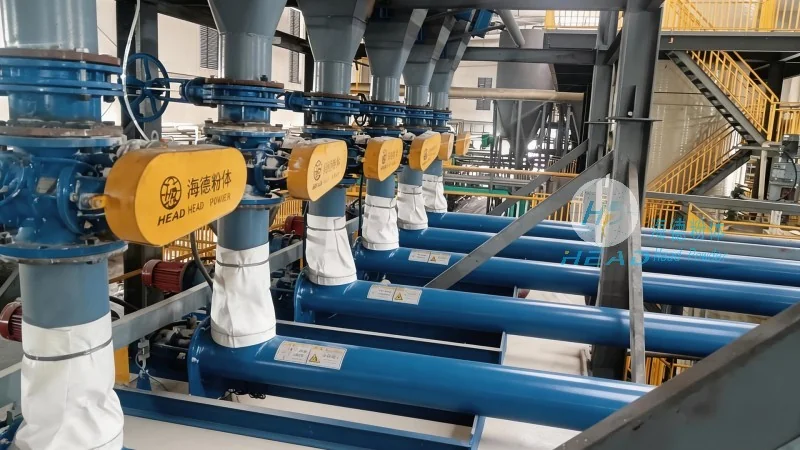
Introduction to Pea Material Pneumatic Conveying Machines
Pea material pneumatic conveying machines, often referred to as pneumatic conveyors, are systems that utilize air pressure or vacuum to move solid materials, in this case, pea grains or processed pea products. Unlike traditional mechanical conveyors that rely on belts, chains, or buckets, pneumatic conveyors use a closed pipeline system where air and pea material are mixed and transported together. This approach is particularly advantageous for delicate or sensitive materials like peas, as it minimizes physical contact and reduces the risk of damage or contamination.
Key Components of a Pea Material Pneumatic Conveying System
A typical pea material pneumatic conveying system consists of several key components that work in tandem to ensure efficient operation. These components include the hopper or feeder, which holds the pea material and feeds it into the system; the conveying line or pipeline, which carries the pea-air mixture; the air compressor or vacuum pump, which provides the necessary pressure or vacuum to move the material; and the discharge device, which releases the pea material at the destination. Additionally, the system may include filters, cyclones, or separators to clean the air and separate the pea material from the air stream, ensuring that the material remains clean and the air is free of dust.
Design Principles of Pea Material Pneumatic Conveying Machines
The design of a pea material pneumatic conveying machine is based on several fundamental principles that ensure optimal performance and efficiency. The first principle is the selection of the appropriate conveying velocity, which is the speed at which the pea-air mixture travels through the pipeline. The velocity must be high enough to prevent the pea material from settling or clogging the pipeline but low enough to avoid excessive wear and tear on the equipment. For pea materials, a conveying velocity of 15 to 25 meters per second is commonly used, depending on the particle size and density.
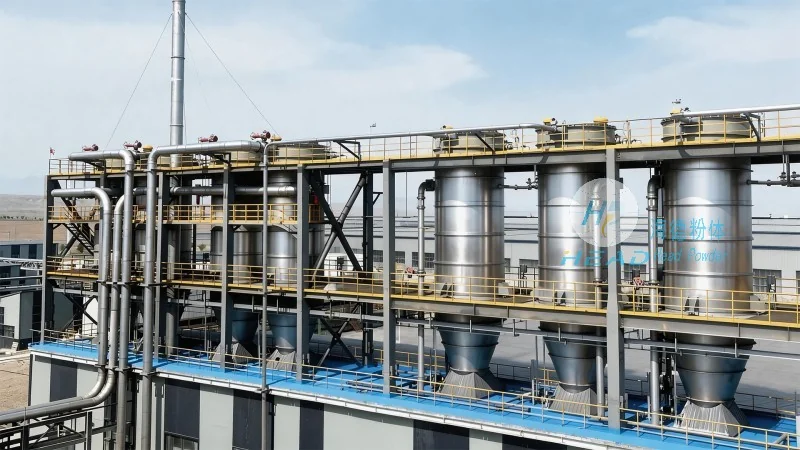
The second principle is the consideration of the pressure drop or friction loss in the pipeline. As the pea-air mixture moves through the pipeline, friction between the material and the pipeline walls causes a drop in pressure. This pressure drop must be managed carefully to ensure that the system can maintain the required pressure or vacuum to move the material. The design of the pipeline, including its diameter and length, plays a crucial role in minimizing pressure drop and ensuring efficient operation.
The third principle is the use of appropriate air flow rates. The air flow rate must be sufficient to carry the pea material through the pipeline without causing excessive energy consumption or noise. The air flow rate is typically determined based on the material's flowability, particle size, and the system's capacity. For pea materials, an air flow rate of 0.5 to 2 cubic meters per second per ton of material is commonly recommended.
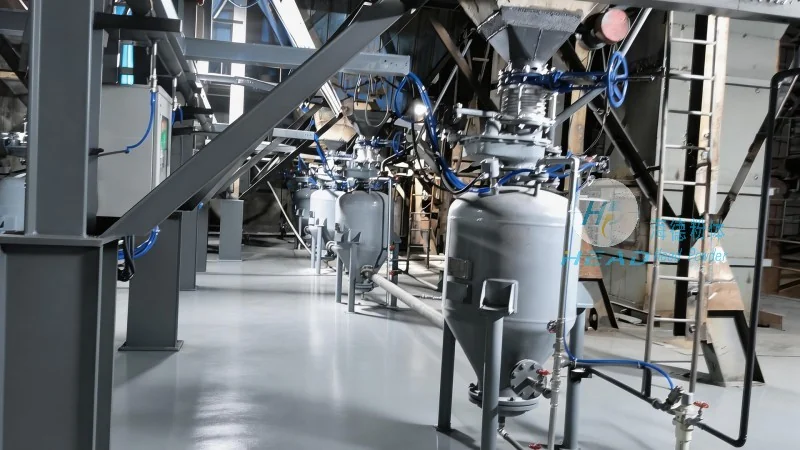
Advantages of Using Pea Material Pneumatic Conveying Machines
There are several advantages to using pneumatic conveying systems for pea material handling. First, they offer a clean and hygienic method of transport, which is essential for food products like peas. The closed pipeline system prevents contamination from external sources and minimizes dust exposure, making it suitable for food processing environments that must meet strict hygiene standards. Second, pneumatic conveyors are highly efficient and can transport pea material over long distances with minimal energy consumption compared to traditional mechanical conveyors. Third, they are flexible and can be easily integrated into existing processing lines, allowing for changes in production volume or layout without major modifications. Finally, pneumatic conveyors are relatively low maintenance, as they have fewer moving parts compared to mechanical conveyors, reducing downtime and maintenance costs.
Applications of Pea Material Pneumatic Conveying Machines
Pea material pneumatic conveying machines are used in a variety of applications within the food processing industry. They are commonly used in pea processing plants to transport raw peas from storage bins to processing equipment, such as washing, peeling, and drying machines. The system can also be used to move processed pea products, such as pea flour or pea protein, from one processing stage to another or to storage containers. Additionally, pneumatic conveyors are used in distribution centers to transport pea products from storage to packaging lines or to shipping containers. The versatility of pneumatic conveying systems makes them suitable for a wide range of applications in the pea processing industry.
Conclusion
In conclusion, a pea material pneumatic conveying machine is a sophisticated piece of equipment that plays a vital role in the efficient and hygienic handling of pea products. By understanding the design principles and components of these systems, manufacturers can ensure optimal performance and meet the stringent requirements of the food processing industry. As technology continues to advance, pneumatic conveying systems are likely to become even more efficient and versatile, further enhancing their role in the pea processing industry.