

What is a Rice Material Pneumatic Conveying Machine? And What Are Its Design Principles?
Rice is a staple food for billions of people worldwide, and efficient handling of rice grains from processing to storage is crucial for the agricultural and food industries. Among the various methods for transporting bulk materials, pneumatic conveying systems have become increasingly popular due to their ability to move rice and other granular products with minimal contamination and high efficiency. This article explores the concept of a rice material pneumatic conveying machine, detailing its design principles and the technical aspects that make it an effective solution for rice handling operations.
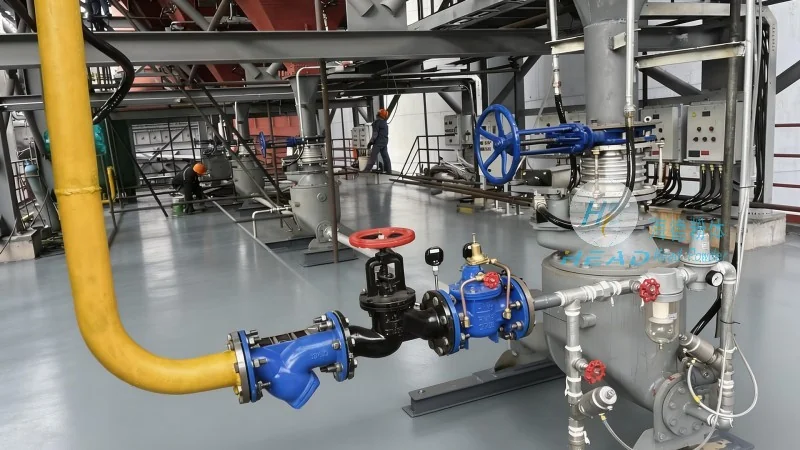
Understanding Pneumatic Conveying Systems for Rice
Pneumatic conveying machines utilize air or gas to transport solid materials like rice through a closed pipeline system. Unlike traditional mechanical conveyors, which rely on mechanical components such as belts or screws, pneumatic systems use the force of moving air to move the material. This method is particularly advantageous for rice because it prevents the grain from coming into contact with metal or other surfaces that could cause contamination or damage. The system typically consists of a blower or compressor to generate the air flow, a hopper or feeder to introduce the rice, and a series of pipes to direct the material to its destination. The design of the system is tailored to the physical properties of rice, including its size, density, and moisture content, ensuring optimal performance.
Key Design Principles of Rice Material Pneumatic Conveying Machines
The design of a rice material pneumatic conveying machine is based on several critical principles that ensure reliable and efficient operation. The first principle is the selection of the appropriate conveying method, which can be either pressure or vacuum. Pressure systems use a positive pressure to push the rice through the pipeline, while vacuum systems use a negative pressure to pull the material. For rice, pressure systems are often preferred as they can handle longer distances and higher volumes with less energy consumption. The second principle is the proper sizing of the components, including the blower, hopper, and pipes. The blower must generate enough air volume and pressure to move the rice at the desired rate, and the hopper must be designed to feed the rice consistently without causing blockages. The third principle is the inclusion of separation and cleaning devices to prevent the accumulation of rice particles in the system. These devices, such as cyclones or filters, help maintain the efficiency of the conveying process by removing any debris or dust that may be present in the rice.
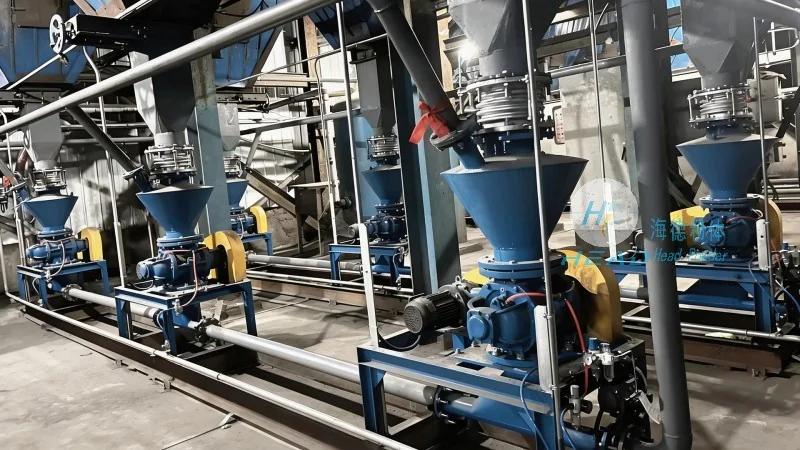
Components and Their Functions in a Rice Pneumatic Conveying System
A rice material pneumatic conveying machine consists of several key components, each playing a vital role in the overall operation. The first component is the blower or compressor, which provides the necessary air flow to move the rice. The blower is typically a centrifugal type, designed to handle the specific air volume and pressure required for rice conveying. The second component is the hopper or feeder, which stores the rice and feeds it into the pipeline. The hopper is usually equipped with a rotary valve or a star feeder to ensure a consistent flow of rice, preventing clogging and maintaining the system's efficiency. The third component is the pipeline system, which consists of straight pipes and fittings that direct the rice from the hopper to the destination. The pipes are made of materials such as stainless steel or plastic, chosen for their resistance to corrosion and their ability to handle the abrasive nature of rice grains. The fourth component is the separation and cleaning devices, which include cyclones and filters. These devices help remove any rice particles that may have been carried by the air and prevent them from accumulating in the system, ensuring that the conveying process remains efficient and clean.
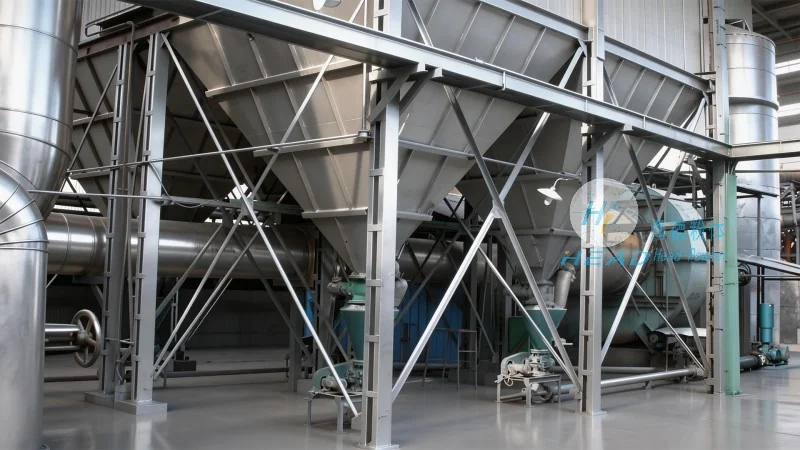
Advantages of Using a Rice Material Pneumatic Conveying Machine
There are several advantages to using a pneumatic conveying system for rice handling. First, the system is highly efficient, as it can move large volumes of rice over long distances with minimal energy consumption. Second, the system is hygienic, as the rice is not in contact with any metal or other surfaces that could cause contamination. Third, the system is flexible, as it can be easily adjusted to handle different types of rice or to change the conveying distance. Fourth, the system is low maintenance, as it has fewer moving parts than traditional mechanical conveyors, reducing the need for frequent repairs and replacements. Finally, the system is cost-effective, as it can reduce labor costs and improve the overall efficiency of the rice handling process.
Application Examples in Rice Processing
Rice material pneumatic conveying machines are widely used in various stages of rice processing. For example, in a rice mill, the machine can be used to transport raw rice from the storage silo to the milling equipment. It can also be used to move the milled rice from the milling machine to the packaging area. In a rice storage facility, the machine can be used to transfer rice from one storage bin to another, ensuring that the rice is stored in a clean and hygienic environment. Additionally, the machine can be used in rice distribution centers to move rice from the storage area to the loading docks, where it is loaded onto trucks for delivery to retailers or consumers.