

Operation Process and Working Principle of Polycrystalline Silicon Material Pneumatic Conveying Syst
Polycrystalline silicon is a critical raw material in the photovoltaic industry, and its efficient handling is essential for maintaining production efficiency and quality. The pneumatic conveying system for polycrystalline silicon materials is a sophisticated technology designed to transport this material from storage to processing units. This article provides an in-depth look at the operation process and working principle of such a system, highlighting the key components and operational mechanisms involved.
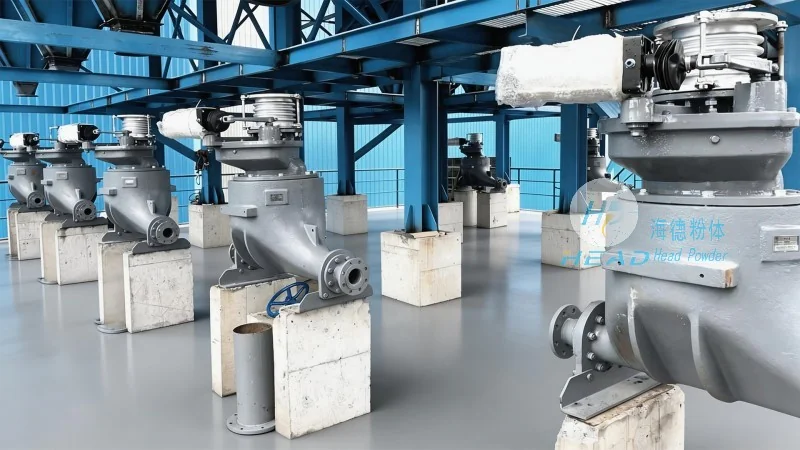
Overview of the Pneumatic Conveying System for Polycrystalline Silicon
The pneumatic conveying system used for polycrystalline silicon typically consists of several core components, including a hopper, feeder, air compressor, conveying line, and receiver. Each component plays a vital role in the overall system performance. The system is engineered to handle the specific physical properties of polycrystalline silicon, such as its density, particle size distribution, and flow characteristics, ensuring reliable and efficient material transport.
Working Principle of the Pneumatic Conveying System
The fundamental principle of pneumatic conveying is the use of air or gas to transport solid particles through a pipeline. In the case of polycrystalline silicon, the system operates by creating a pressure differential between the hopper and the receiver. The feeder draws the material from the hopper and introduces it into the conveying line, where it is mixed with the air stream. The air flow then propels the material particles through the pipeline to the destination, such as a reactor or storage silo. The system can be either positive pressure or negative pressure, depending on the specific application requirements and material characteristics.
Key Components and Their Functions
1. Hopper: The hopper serves as the storage container for the polycrystalline silicon material. It is designed with a sloped bottom to facilitate material flow and prevent clogging. The hopper is equipped with a level indicator to monitor the material inventory, ensuring that the feeder receives a consistent feed rate.
2. Feeder: The feeder is responsible for controlling the flow rate of the polycrystalline silicon from the hopper into the conveying line. Common types include rotary valves, screw feeders, or vibratory feeders, which are selected based on the material's flowability and the required precision of the feed rate. The feeder ensures that the material is introduced into the air stream at a controlled rate, preventing overloading or underloading of the conveying line.
3. Air Compressor: The air compressor generates the necessary pressure to move the material through the pipeline. It supplies a steady flow of compressed air, which is critical for maintaining the velocity of the material particles. The compressor is typically equipped with a filter and dryer to ensure that the air is clean and free from moisture or contaminants that could affect the polycrystalline silicon quality.
4. Conveying Line: The conveying line is the main pipeline through which the polycrystalline silicon and air mixture travels. It is usually made of stainless steel or other corrosion-resistant materials to withstand the chemical properties of the material and the effects of air pressure. The line is designed with appropriate bends and elbows to minimize pressure loss and ensure smooth material transport. The diameter and length of the line are optimized based on the material flow rate and the distance to be covered.
5. Receiver: The receiver is the final component of the system, where the polycrystalline silicon is deposited after being conveyed through the pipeline. It is designed with a hopper or silo to store the material until it is further processed. The receiver is equipped with a discharge valve or outlet to control the release of the material, ensuring that it is delivered to the next stage of the production process without spillage or contamination.
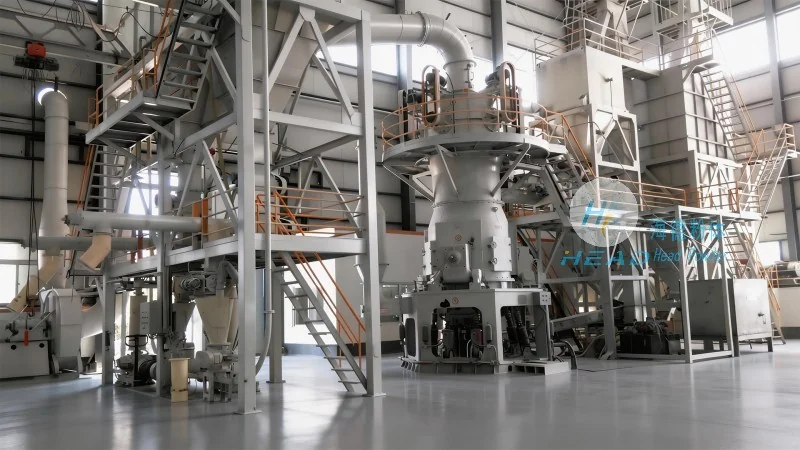
Operation Process Flow
The operation process of the pneumatic conveying system for polycrystalline silicon involves several sequential steps:
1. Material Loading: Polycrystalline silicon is loaded into the hopper from a bulk storage container. The hopper is then sealed to prevent dust and contamination.
2. Feeder Activation: The feeder is activated to start the material flow from the hopper into the conveying line. The feed rate is adjusted based on the production requirements and the system's capacity.
3. Air Compressor Startup: The air compressor is started, and the compressed air is directed into the conveying line. The pressure is increased gradually to avoid sudden pressure changes that could cause material blockages or equipment damage.
4. Conveying: The material is mixed with the air stream and transported through the pipeline to the receiver. The system monitors the pressure and flow rate to ensure that the material is conveyed efficiently and without interruptions.
5. Material Discharge: The material is discharged from the receiver into the next processing unit, such as a reactor or a storage silo. The receiver is emptied and prepared for the next batch of material.
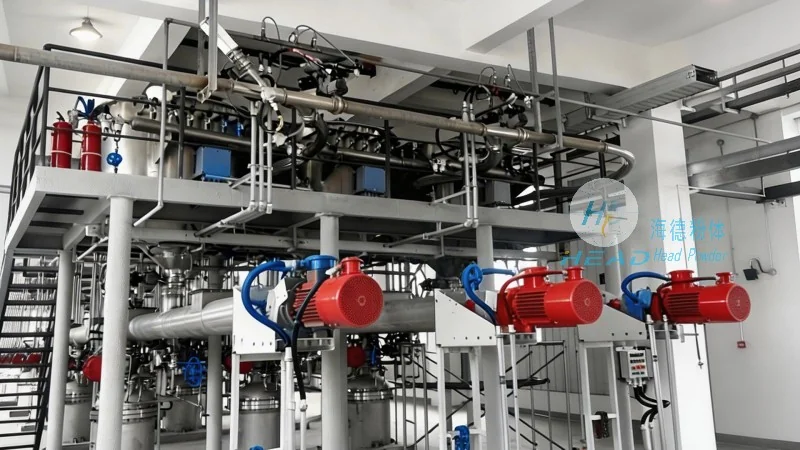
Advantages of Using a Pneumatic Conveying System for Polycrystalline Silicon
The use of a pneumatic conveying system for polycrystalline silicon offers several advantages over traditional mechanical conveying methods:
1. Reduced Labor and Maintenance: The system is fully automated, reducing the need for manual handling and minimizing the risk of human error. It also requires less maintenance compared to mechanical systems, as there are fewer moving parts.
2. Improved Material Quality: The enclosed system prevents contamination from dust, moisture, or other environmental factors, ensuring that the polycrystalline silicon remains in its original state. This is crucial for maintaining the purity and quality of the material, which directly impacts the performance of the final photovoltaic products.
3. Space Efficiency: Pneumatic conveying systems are more compact and can be installed in confined spaces, making them suitable for facilities with limited floor space. The vertical conveying capability allows for efficient use of vertical space, reducing the overall footprint of the system.
4. Flexibility in Layout: The system can be easily reconfigured or expanded to accommodate changes in production capacity or layout. The modular design allows for the addition or removal of components without major system overhauls.
Applications and Industries
The pneumatic conveying system for polycrystalline silicon is primarily used in the photovoltaic industry, where it is essential for transporting the material from raw material storage to the production lines. It is also applicable in other industries that handle similar high-purity materials, such as semiconductor manufacturing and chemical processing.
Conclusion
The pneumatic conveying system for polycrystalline silicon is a highly efficient and reliable technology that plays a critical role in the production process of photovoltaic cells. By understanding the operation process and working principle of this system, manufacturers can optimize their material handling operations, improve production efficiency, and maintain the quality of their products. The system's design and components are tailored to the specific needs of polycrystalline silicon, ensuring that it can be transported safely and effectively. As the demand for photovoltaic products continues to grow, the importance of efficient material handling systems like this will only increase, making it a key component in the industry's supply chain.