For construction and concrete production industries, efficient material handling is crucial to maintaining productivity and ensuring quality. Pneumatic conveying systems offer a reliable solution for transporting concrete materials over short to medium distances. These systems utilize air pressure to move bulk materials like cement, sand, and aggregates, eliminating the need for traditional conveyor belts or trucks. The technology has evolved significantly, with modern systems designed to handle various concrete components while minimizing dust and material degradation.
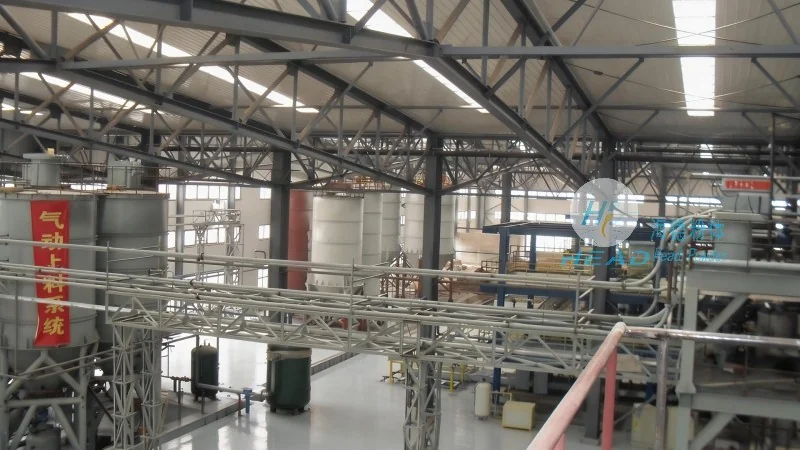
Working Principle of Concrete Material Pneumatic Conveying Systems
The core of a concrete material pneumatic conveying system lies in its ability to transport bulk materials using air. The system typically consists of a hopper, a conveyor line, and a receiver. The process begins with the material being fed into the hopper. As air is introduced into the system, it creates a low-pressure zone that draws the material into the conveyor line. The air and material mixture travels through the pipeline, with the air providing the necessary force to move the material. The receiver at the end of the line separates the material from the air, allowing the concrete components to be deposited in the desired location. This method ensures a continuous flow of materials, reducing downtime and improving operational efficiency.
Key Components and Their Functions
Several critical components work together to ensure the smooth operation of a concrete material pneumatic conveying system. The hopper serves as the storage and feeding unit, holding the bulk concrete materials and controlling the flow rate. The conveyor line, often made of metal or plastic, is designed to withstand the pressure and friction of the material and air mixture. The air compressor provides the necessary air pressure to drive the conveying process, with the pressure levels adjusted based on the material type and distance. The receiver, equipped with filters and separation mechanisms, ensures that the material is deposited cleanly and the air is properly filtered to prevent dust contamination. Additionally, control systems are integrated to monitor and adjust the system parameters in real-time, optimizing performance and preventing system failures.
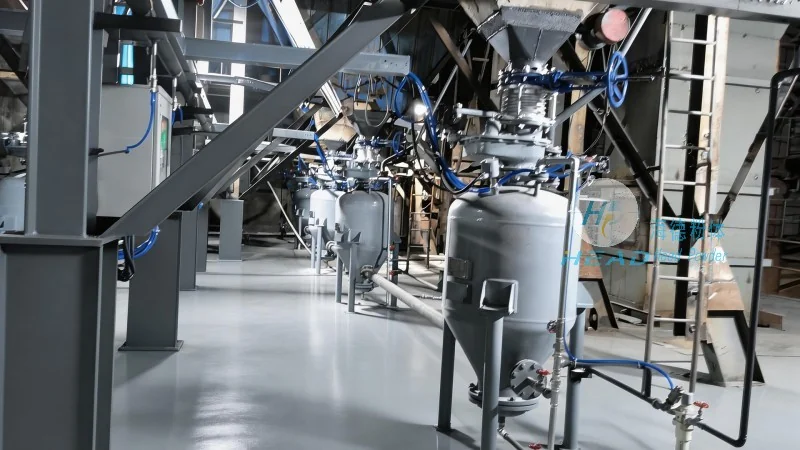
Operation Process of Concrete Material Pneumatic Conveying Systems
The operation process of a concrete material pneumatic conveying system involves several sequential steps. First, the concrete materials are loaded into the hopper. The system then starts the air compressor, which generates the required air pressure. The material is then released from the hopper into the conveyor line as the air flow begins. The mixture travels through the pipeline, with the air velocity maintaining the material in suspension. At the receiving end, the air and material are separated, and the material is deposited into the target container or storage area. The system continues to operate until the hopper is emptied or the material supply is depleted. Regular maintenance, including cleaning the filters and checking the air compressor, is essential to ensure consistent performance and prevent operational issues.
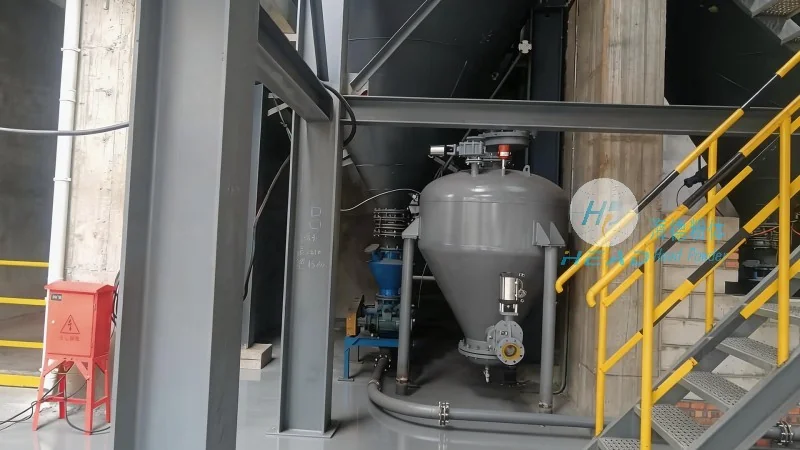
Advantages of Using Pneumatic Conveying Systems for Concrete Materials
Implementing a pneumatic conveying system for concrete materials offers numerous advantages over traditional handling methods. One of the primary benefits is the reduction in labor costs, as the system automates the material transport process. Additionally, the systems minimize material degradation and dust generation, which is crucial for maintaining concrete quality and worker safety. The continuous flow capability of pneumatic systems ensures a steady supply of materials, reducing production bottlenecks. Furthermore, these systems are flexible and can be easily integrated into existing production lines, allowing for scalability as production needs change. The energy efficiency of modern pneumatic conveying systems also contributes to lower operational costs and reduced environmental impact.
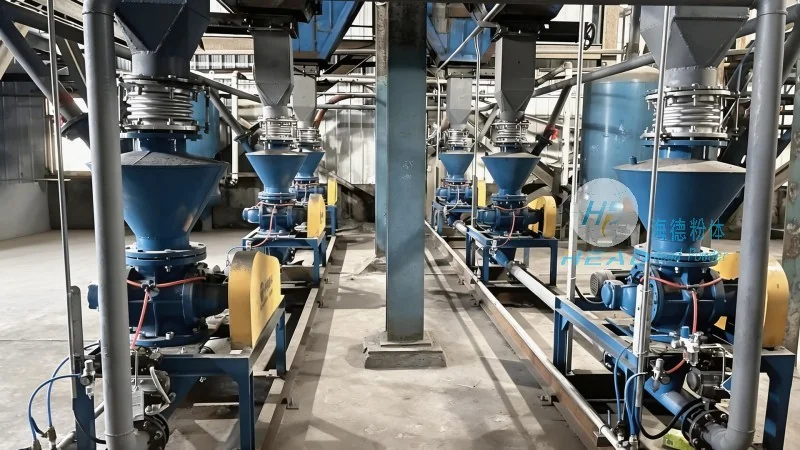
Applications in Concrete Production and Construction
Pneumatic conveying systems are widely used in various applications within the concrete industry. In concrete batching plants, these systems efficiently transport cement, sand, and aggregates from storage silos to the mixing area. In construction sites, they can move concrete components from storage to the work area, reducing the need for manual handling and transportation. The systems are also utilized in precast concrete facilities, where they help in moving finished products or raw materials between different production stages. The versatility of pneumatic conveying systems makes them suitable for both large-scale industrial operations and smaller construction projects, providing a reliable solution for material handling in diverse environments.
Maintenance and Best Practices for Concrete Material Pneumatic Conveying Systems
Proper maintenance is essential to ensure the longevity and efficiency of concrete material pneumatic conveying systems. Regular inspection of the hopper and conveyor line for blockages or wear is crucial. The air compressor and filters should be checked and cleaned regularly to prevent clogging and maintain optimal performance. The system's control mechanisms should be calibrated periodically to ensure accurate pressure and flow control. Additionally, it is important to follow best practices when operating the system, such as avoiding overloading the hopper and ensuring proper air pressure levels. By adhering to these maintenance and operational guidelines, users can maximize the system's lifespan and minimize downtime, ensuring consistent and reliable material transport.




