When it comes to the efficient and reliable transport of polypropylene resin powder, understanding the underlying principles of material handling systems is crucial. This article delves into the core aspects of polypropylene resin powder material handling, focusing on the design principles that ensure optimal performance and safety in industrial applications. As a leading provider in the field, Shandong HeadPowder Engineering Co., Ltd. (commonly known as HeadPowder) offers expertise in developing tailored solutions for powder handling challenges.
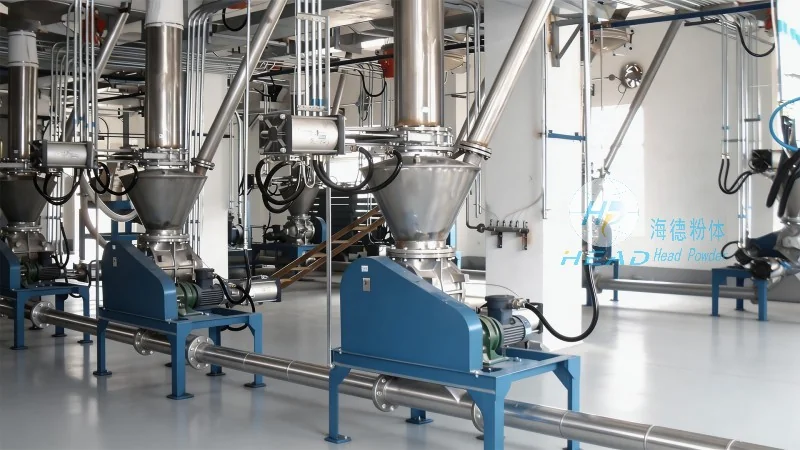
What is Polypropylene Resin Powder Material Handling?
Polypropylene resin powder material handling refers to the processes and systems used to move, store, and manage polypropylene resin powder from its source to the point of use in industrial settings. This involves a range of equipment and techniques designed to handle the unique properties of polypropylene, such as its fine particle size, hygroscopic nature, and potential for static charge accumulation. Effective material handling is essential to prevent material loss, contamination, and operational inefficiencies, which can significantly impact production costs and product quality.
Key Design Principles for Polypropylene Resin Powder Handling Systems
The design of polypropylene resin powder handling systems follows several critical principles to ensure safe and efficient operation. These principles are tailored to address the specific challenges associated with polypropylene resin, including its flow characteristics, dust control requirements, and the need for minimal material degradation. A well-designed system typically incorporates the following elements:
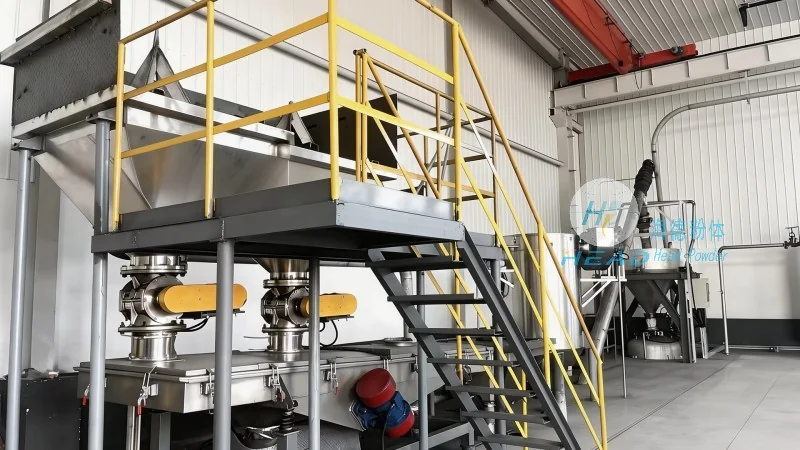
1. **Adequate Ventilation and Dust Control**: Polypropylene resin is prone to generating dust during handling, which can lead to health hazards and equipment contamination. Design principles emphasize the use of enclosed systems, proper ventilation, and dust collection mechanisms to maintain a clean and safe working environment. This includes features like dust filters, exhaust hoods, and sealed transfer points to prevent airborne particle release.
2. **Static Control Measures**: Polypropylene resin is a static-prone material, meaning it can accumulate electrical charges during handling. This can cause issues such as material sticking to equipment, sparks, and even fire hazards. Design principles incorporate static grounding, anti-static additives, and conductive materials to mitigate these risks. Proper grounding and regular maintenance of anti-static systems are essential to ensure safe operation.
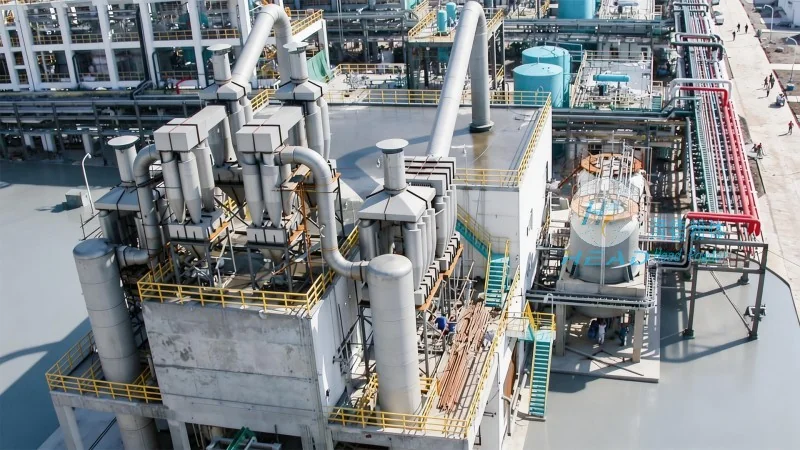
3. **Smooth and Low-Pressure Flow**: To prevent material degradation and blockages, polypropylene resin powder handling systems are designed to promote smooth, low-pressure flow. This involves the use of appropriate conveyor types, such as screw conveyors, pneumatic conveying systems, or belt conveyors, which are selected based on the specific characteristics of the resin and the application requirements. The design minimizes sharp turns, sudden changes in direction, and high-pressure points to maintain material integrity and prevent clogging.
4. **Material Compatibility and Corrosion Resistance**: Polypropylene resin handling equipment must be constructed from materials that are compatible with the resin and resistant to corrosion or chemical attack. Common materials include stainless steel, polyethylene, and other non-reactive substances. The design ensures that all components, from hoppers and chutes to valves and pumps, are suitable for long-term use with polypropylene resin without degradation or contamination.
The Role of HeadPowder in Polypropylene Resin Powder Handling Solutions
Shandong HeadPowder Engineering Co., Ltd. specializes in providing comprehensive solutions for polypropylene resin powder material handling. With years of experience in the industry, HeadPowder understands the unique challenges associated with handling polypropylene resin and designs systems that address these challenges effectively. The company's approach involves a thorough analysis of the client's specific needs, including production volume, material properties, and operational environment, to develop customized solutions.
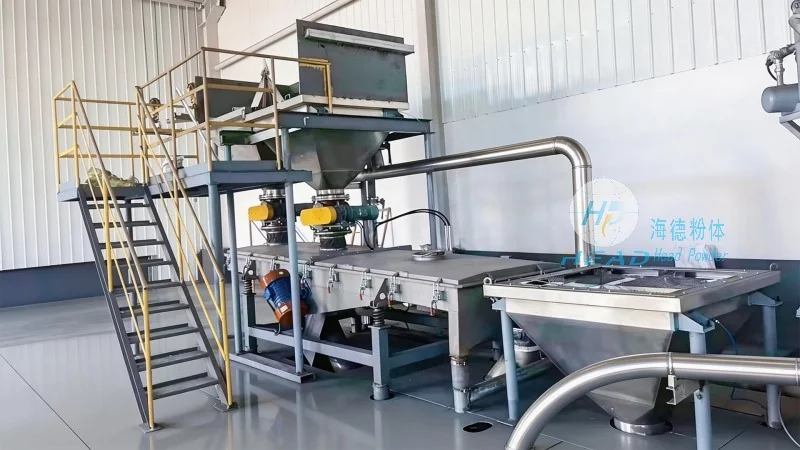
HeadPowder's expertise lies in integrating the key design principles mentioned above into practical, reliable systems. This includes the selection and installation of appropriate equipment, such as pneumatic conveying lines, rotary valves, and dust collection systems, tailored to the client's requirements. The company also provides ongoing support and maintenance services to ensure that the handling systems operate at peak efficiency and safety standards.
Conclusion: Ensuring Efficient and Safe Polypropylene Resin Powder Handling
Effective polypropylene resin powder material handling is built upon a foundation of well-defined design principles that address the material's unique properties and the operational demands of industrial applications. By incorporating features such as proper ventilation, static control, smooth flow, and material compatibility, handling systems can minimize risks, reduce costs, and enhance overall productivity. As a trusted partner in the industry, Shandong HeadPowder Engineering Co., Ltd. continues to deliver innovative solutions that meet the evolving needs of polypropylene resin processing, ensuring safe and efficient material handling for its clients.




