HeadPowder, a leading provider of industrial material handling solutions, specializes in the design and manufacturing of pneumatic conveyors tailored for handling aluminum sulfate. This article delves into the operational process and working principles of such systems, highlighting their efficiency and reliability in material transport applications.
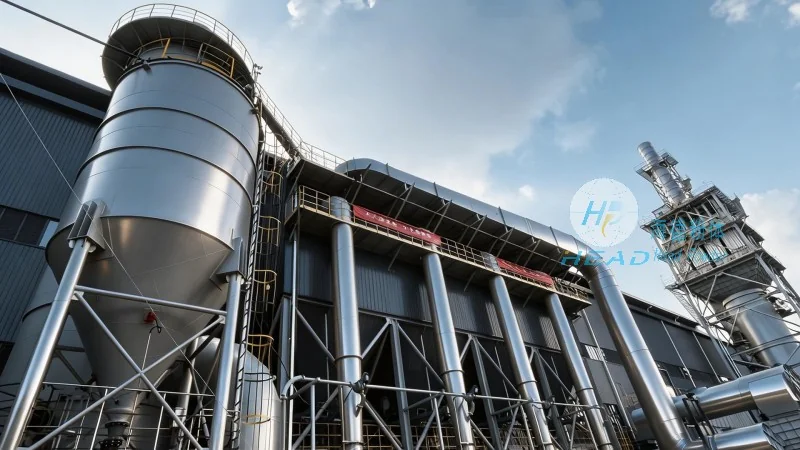
Company Overview: Shandong HeadPowder Engineering Co., Ltd.
HeadPowder, with its headquarters in Shandong, China, is dedicated to delivering high-quality industrial equipment for various material handling needs. The company's expertise lies in customizing pneumatic conveying systems to meet the specific requirements of clients, ensuring optimal performance and durability in demanding environments.
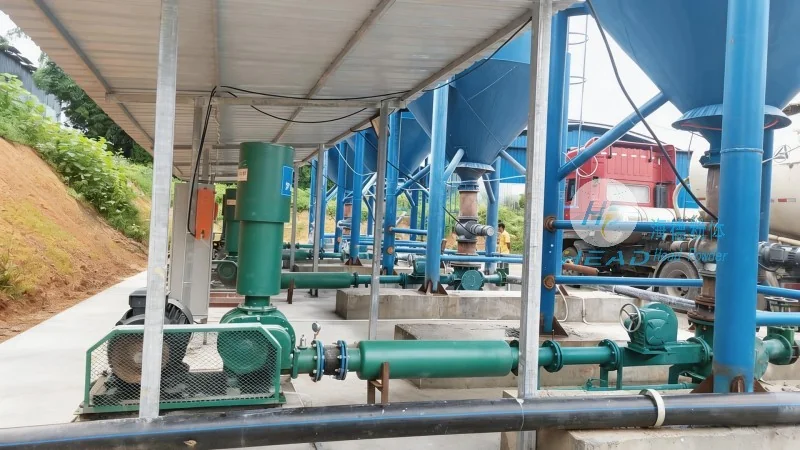
Understanding Pneumatic Conveying Technology
Pneumatic conveyors utilize air or gas to transport bulk materials like aluminum sulfate through a pipeline system. The process involves the generation of air flow, which draws the material into the conveying line and transports it to the desired destination. This method offers several advantages over traditional mechanical conveying systems, including reduced equipment wear, lower maintenance costs, and the ability to handle materials with varying particle sizes and moisture content.
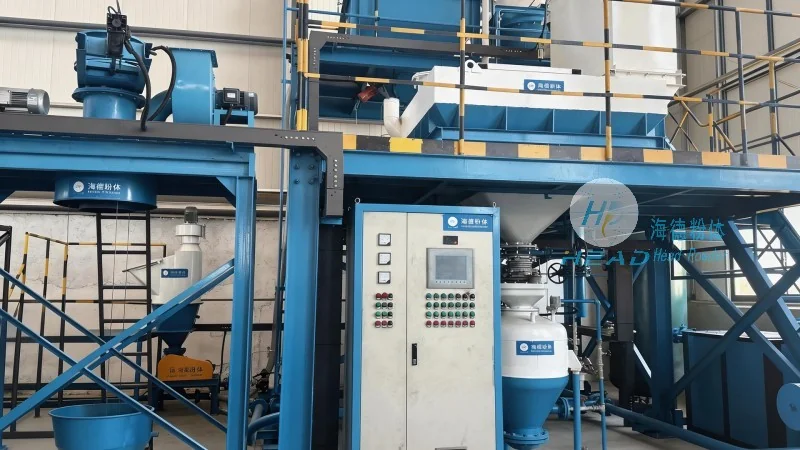
The Operational Process of a Pneumatic Conveyor for Aluminum Sulfate
The operation of a pneumatic conveyor for aluminum sulfate typically involves several key steps. First, the material is fed into the inlet hopper of the system. From there, an air compressor generates high-pressure air, which is introduced into the conveying line. The air flow creates a negative pressure or positive pressure environment, depending on the system design, to draw the material particles into the pipeline. As the material travels through the line, it is mixed with the air stream, ensuring consistent transport. The conveying line may include components such as bends, filters, and silos to direct the material and separate it from the air at the discharge point. The entire process is controlled by a system of valves, sensors, and control panels, allowing for precise regulation of material flow and air pressure.
Working Principle of the System Components
The effectiveness of a pneumatic conveyor for aluminum sulfate relies on the interaction of several key components. The air compressor is the primary source of power, providing the necessary air pressure to initiate and maintain material transport. The hopper and inlet feeder ensure a consistent supply of material, preventing blockages and maintaining flow rates. The conveying line, often made of durable materials like stainless steel or plastic, is designed to withstand the abrasive nature of aluminum sulfate particles and the pressure of the air stream. The discharge system, including silos or collection bins, collects the material after it has been separated from the air, completing the transport process. Additionally, the control system monitors parameters such as air pressure, material flow rate, and system temperature, ensuring safe and efficient operation.
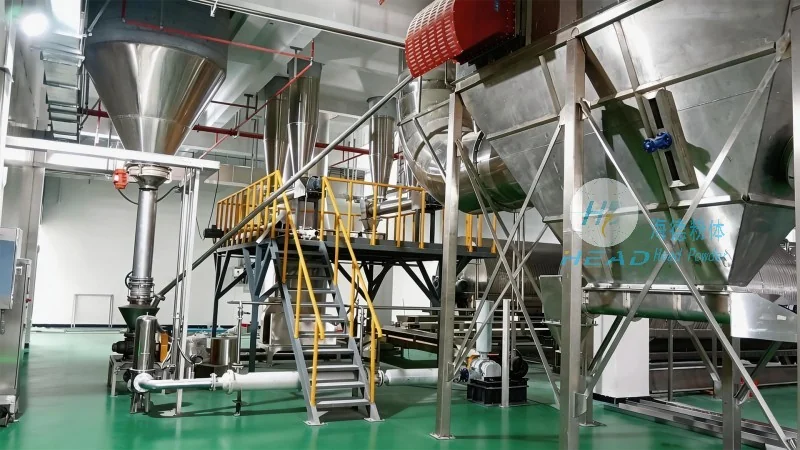
Advantages and Applications
Pneumatic conveyors for aluminum sulfate offer numerous benefits in industrial applications. They are ideal for handling materials that are difficult to transport using traditional methods, such as those with high moisture content or fine particle sizes. The system's ability to transport materials over long distances without the need for multiple transfer points makes it a cost-effective solution. Furthermore, the enclosed pipeline system minimizes dust emissions and environmental contamination, adhering to industrial safety and environmental regulations. HeadPowder's systems are widely used in industries such as water treatment, chemical manufacturing, and mining, where reliable and efficient material handling is critical.




